
Peanuts are one of the most popular and nutritious snacks around the world. They are rich in protein, healthy fats, vitamins, and minerals. Many people enjoy peanuts as a quick snack, in peanut butter, or as an ingredient in different dishes. However, if you are tracking your diet, you may wonder about peanuts calories and whether they fit into a healthy eating plan.
This article explains the calorie content of peanuts, their nutritional value, health benefits, and how many peanuts you should eat daily.
How Many Calories Are in Peanuts?
Peanuts are calorie-dense because they contain healthy fats. However, they also provide essential nutrients that benefit overall health.
Here is the approximate calorie count for peanuts:
| Serving Size | Calories |
|---|---|
| 1 peanut | 5–6 calories |
| 10 peanuts | 55–60 calories |
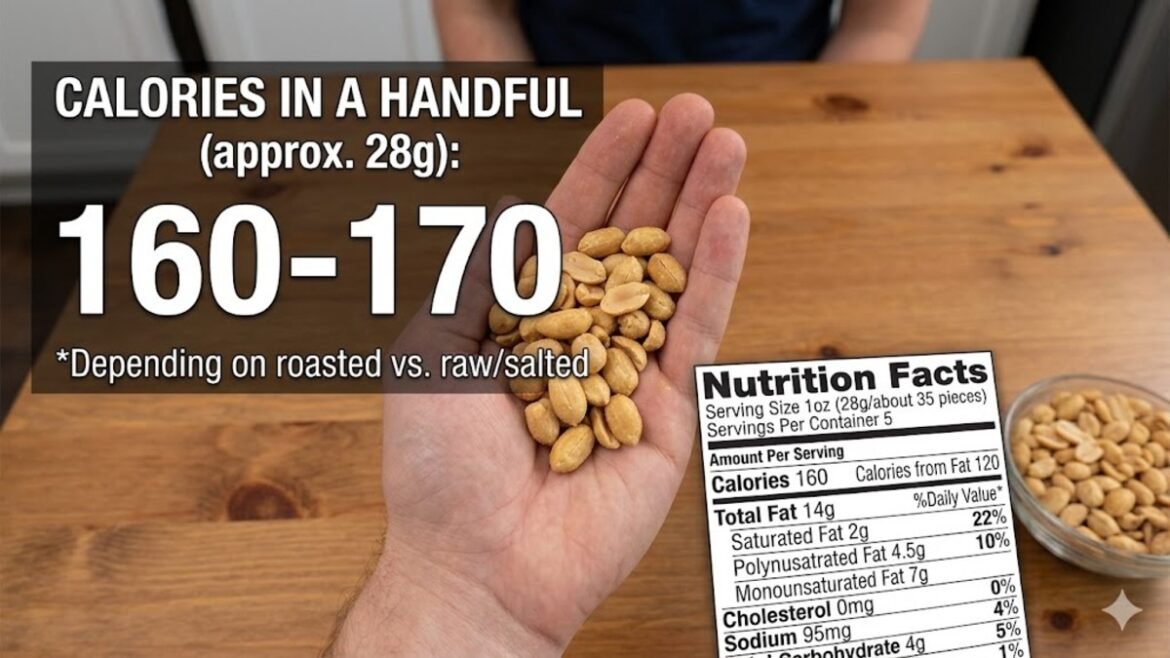
| 1 ounce (28g) | about 160–170 calories |
| 100 grams | about 567 calories |
A typical 1-ounce serving (about a small handful) contains around 166 calories, making Peanuts Calories a filling and energy-rich snack.
Nutritional Value of Peanuts
Peanuts offer a powerful nutritional profile. Besides calories, they contain several nutrients that support body functions.
Nutrition in 1 ounce (28g) of peanuts:
- Calories: 166
- Protein: 7 grams
- Fat: 14 grams
- Carbohydrates: 6 grams
- Fiber: 2–3 grams
- Magnesium: 12% of daily value
- Vitamin E: 10% of daily value
- Niacin (Vitamin B3): 19% of daily value
- Folate: 7% of daily value
Peanuts Calories are also rich in antioxidants, which help protect cells from damage.
Health Benefits of Peanuts
1. High in Protein
Peanuts Calories are an excellent plant-based protein source. Protein helps build muscles, repair tissues, and keep you feeling full for longer periods.
2. Good for Heart Health
The healthy fats found in peanuts—mainly monounsaturated and polyunsaturated fats—can help reduce bad cholesterol levels and support heart health.
3. Supports Weight Management
Although Peanuts Calories are high in calories, they can help control hunger. Their combination of protein, fiber, and healthy fats promotes fullness and may reduce overeating.
4. Rich in Antioxidants
Peanuts contain antioxidants such as resveratrol and vitamin E. These compounds help reduce inflammation and protect the body from oxidative stress.
5. Provides Essential Vitamins and Minerals
Peanuts supply magnesium, phosphorus, potassium, and B vitamins that help maintain energy levels and support metabolism.
Are Peanuts Good for Weight Loss?
Yes, peanuts can be part of a weight-loss diet when eaten in moderation. Because they are high in calories, portion control is important.
Reasons peanuts can support weight management include:
- High protein content that keeps you full
- Healthy fats that provide long-lasting energy
- Fiber that supports digestion
- Reduced cravings for unhealthy snacks
A small handful of Peanuts Calories can be a satisfying snack that prevents overeating later in the day.
Best Ways to Eat Peanuts
There are many ways to enjoy peanuts while maintaining a healthy diet.
Healthy options include:
- Roasted peanuts as a snack
- Adding peanuts to salads
- Mixing peanuts into oatmeal or yogurt
- Using natural peanut butter on whole-grain toast
- Adding crushed peanuts to stir-fry dishes
Try to choose unsalted or lightly salted peanuts to avoid excess sodium.
How Many Peanuts Should You Eat Per Day?
Nutrition experts recommend about 1 ounce (28 grams) of Peanuts Calories per day. This equals roughly 28–30 peanuts.
This portion provides healthy nutrients without consuming too many calories. Eating large amounts regularly may increase calorie intake, which could lead to weight gain.
Potential Downsides of Peanuts
While peanuts are healthy for most people, there are a few things to keep in mind:
- Peanut allergies can cause serious reactions in some individuals.
- Salted peanuts may contain high sodium levels.
- Overeating peanuts may add extra calories to your diet.
Moderation is key to enjoying their benefits.
Frequently Asked Questions (FAQs)
1. How many calories are in a handful of peanuts?
A handful of Peanuts Calories (about 1 ounce or 28g) contains around 160–170 calories.
2. Are peanuts high in calories?
Yes, peanuts are relatively high in calories because they contain healthy fats. However, they are also very nutritious.
3. Can peanuts help with weight loss?
Yes, when eaten in moderation. Their protein and fiber help control hunger and prevent overeating.
4. How many peanuts can I eat daily?
Most experts recommend about 28–30 peanuts per day for a healthy serving.
5. Are roasted peanuts healthier than raw peanuts?
Both are nutritious, but dry-roasted peanuts without added salt are usually the healthiest option.