

Green tea has been drunk for centuries, but modern research keeps finding new reasons to love it. The green tea benefits people talk about most — a calmer mind, a healthier heart, gentle weight-loss support and better skin — all come from the same place: the natural compounds packed into every cup. Unlike black tea, green tea leaves are barely oxidised, so they keep far more of their antioxidants. Here are 10 science-backed green tea benefits, plus how to brew the perfect cup.
What Makes Green Tea Special?
Green tea comes from the same plant as black tea, Camellia sinensis, but the leaves are quickly heated after picking to stop oxidation. That simple difference preserves a family of antioxidants called catechins, and the most powerful of them is EGCG (epigallocatechin gallate), which makes up roughly half of the catechins in green tea. A typical cup contains around 200–300 mg of catechins and about 25–50 mg of caffeine — roughly half the caffeine in a cup of coffee. Green tea also contains L-theanine, an amino acid that promotes calm focus. Together, these compounds are behind most green tea benefits.
1. Rich in Antioxidants That Fight Everyday Damage
The headline green tea benefit is its antioxidant power. EGCG and other catechins help neutralise free radicals — the unstable molecules that damage cells over time. In lab studies, EGCG has shown antioxidant activity stronger than vitamins C and E. Drinking green tea regularly is one of the simplest ways to add antioxidants to your daily routine.
2. Supports a Healthy Heart
Several large studies have linked regular green tea drinking with better heart health. The catechins in green tea may help lower LDL (“bad”) cholesterol and support healthy blood pressure. One analysis found that each daily cup was associated with a small reduction in cardiovascular risk. Green tea is not a medicine, but as part of a balanced diet it is a heart-friendly habit.
3. May Help With Weight Management
Green tea for weight loss is one of the most searched uses of the drink, and the evidence is encouraging — with realistic expectations. The combination of caffeine and EGCG can slightly raise metabolism and help the body burn fat for energy, especially alongside exercise. Studies show a modest effect: green tea supports weight loss, it does not cause it on its own. Think of it as a helpful partner to healthy eating and movement, not a shortcut.
4. Sharper Focus Without the Jitters
Green tea contains just enough caffeine to wake up the brain, and L-theanine smooths out the effect. Research shows this pair improves attention, memory and reaction time better than caffeine alone, giving you calm, steady focus instead of the wired feeling coffee can bring. It is a good choice for a mid-morning or afternoon cup.
5. Good for Your Skin
Green tea for skin is one of the most popular natural beauty uses, and the science backs it up. The same antioxidants that protect your cells also support your skin. Green tea’s polyphenols help fight inflammation and protect against sun-related damage, and some studies suggest they can improve skin elasticity and hydration. Drinking it helps from the inside, and cooled green tea is even used in skincare for its soothing effect. For a simple glow-boosting habit, a daily cup is an easy place to start.
6. May Support Healthier Hair
Green tea benefits for hair are less famous, but they are real. The antioxidants in green tea support healthy blood flow to the scalp, and EGCG has been studied for its role in supporting hair follicles. Some small studies suggest green tea extract can help reduce hair shedding linked to hormonal factors, though more research is needed. Used as a final rinse after shampooing, cooled green tea can also leave hair feeling softer and looking shinier.
7. May Help Balance Blood Sugar
Drinking green tea regularly has been linked with better blood sugar control. Some studies found that green tea drinkers had a lower risk of developing type 2 diabetes, possibly because catechins improve insulin sensitivity. It is not a treatment, but unsweetened green tea is a far better daily drink than sugary alternatives.
8. Supports Oral Health
Green tea’s catechins have natural antibacterial properties. They can help reduce the bacteria in the mouth that cause bad breath and contribute to cavities, and some studies link green tea drinking with healthier gums. A cup after a meal is a simple, pleasant way to freshen your breath.
9. Helps You Relax and Manage Stress
L-theanine, the amino acid in green tea, increases calming brain waves and may lower stress hormones. This is why a cup of green tea feels relaxing even though it contains caffeine — it is a rare drink that is both calming and gently energising. Many people find it a good evening ritual, as long as they drink it a few hours before bed.
10. Gentle Energy and Hydration
Green tea is almost entirely water, so it counts toward your daily fluid intake, and its modest caffeine gives you a gentle lift without the crash that often follows coffee or energy drinks. For most healthy adults, 3–5 cups a day is considered a safe and beneficial amount.
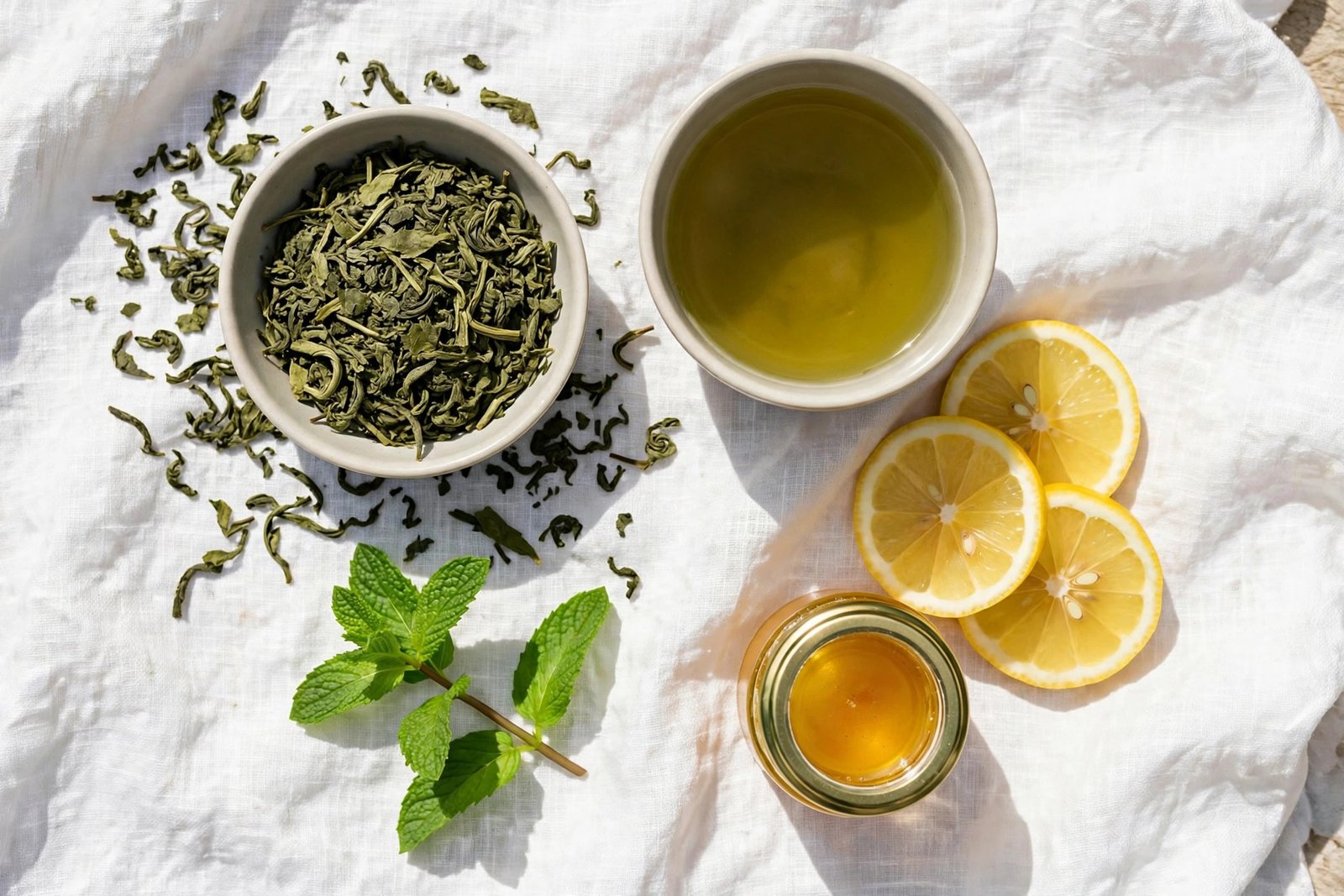
How to Make Green Tea the Right Way
Learning how to make green tea properly matters — the wrong water temperature can ruin both the taste and the benefits. Boiling water makes green tea bitter and can damage its delicate catechins. Here is the simple method:
- Boil fresh water, then let it cool for 3–4 minutes, to about 70–85°C (160–180°F). If your kettle has a temperature setting, use 80°C.
- Put one tea bag or one teaspoon of loose leaves per cup into a cup or teapot.
- Pour the hot water over the tea and steep for 2–3 minutes. Longer steeping makes it stronger and more bitter.
- Remove the leaves or bag. Add a squeeze of lemon if you like — vitamin C helps your body absorb more catechins. If you enjoy citrus drinks, read our guide on the benefits of drinking lemon water.
- Drink it plain if you can. A little honey is fine, but sugar cancels out some of the health value.
Quality loose-leaf tea can be re-steeped two or three times, with each cup revealing a slightly different flavour.
When Is the Best Time to Drink Green Tea?
The best time to drink green tea is in the morning or early afternoon, when its gentle caffeine helps you focus without disturbing your sleep. A cup 30–60 minutes before a workout may also support fat burning, and a cup between meals is ideal because it will not interfere with iron absorption from your food. Avoid drinking it late at night or right before bed if you are sensitive to caffeine.
Are There Any Side Effects?
Green tea is safe for most people in normal amounts, but a few things are worth knowing. Its tannins can reduce iron absorption, so avoid drinking it with meals — wait at least an hour before or after eating. Too much caffeine can cause sleeplessness or a racing heart in sensitive people, so keep it to 3–5 cups a day. Pregnant and breastfeeding women are usually advised to limit it to 1–2 cups a day. And be careful with concentrated green tea extract supplements: health authorities have linked very high doses (above 800 mg of EGCG a day) with rare liver problems. Brewed tea is a different story — you would need to drink an unrealistic 25–30 cups a day to reach that level. If you take regular medication or have a liver condition, check with your doctor first.
The Bottom Line
The green tea benefits are wide-ranging — antioxidants, heart support, gentle weight-loss help, sharper focus, healthier skin and hair — and all it takes is a few well-brewed cups a day. Start with one cup in the morning, brew it at the right temperature, and let this simple habit work for you. As with any health habit, consistency matters more than quantity.