
Introduction to Celeriac
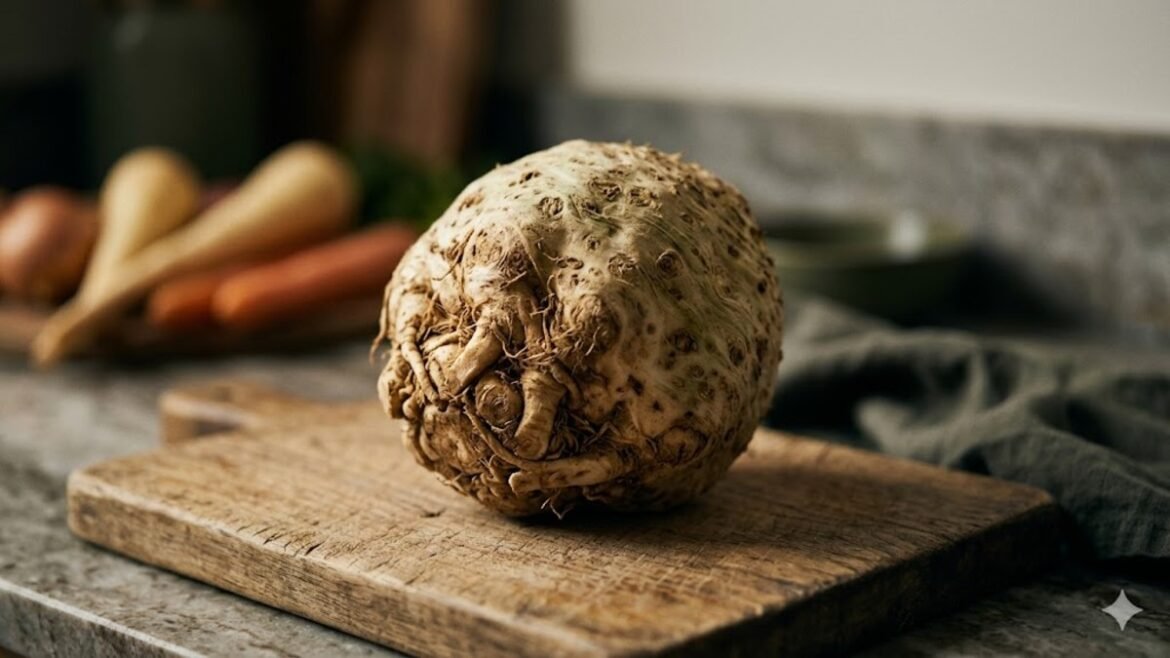
At first glance, celeriac might not win any beauty contests. Its rough, knobby exterior and irregular shape often make shoppers walk right past it in the vegetable aisle. Yet beneath that rugged surface lies a flavorful and nutrient-packed root vegetable that has been quietly earning respect in kitchens across Europe and increasingly around the world. Celeriac, also called celery root, belongs to the same plant family as celery and parsley and carries a mild celery-like flavor that becomes slightly sweet when cooked.
People who discover celeriac often wonder why it isn’t more popular. The answer is partly visual—its appearance can be intimidating. But once peeled, the creamy white flesh reveals a versatile ingredient that can be roasted, mashed, boiled, grated into salads, or blended into soups. Think of it as a cross between celery and potatoes in both taste and culinary flexibility.
Nutrition experts increasingly highlight celeriac as a low-calorie, nutrient-dense root vegetable that fits easily into healthy diets. A 100-gram serving contains only about 42 calories, making it a lighter alternative to starchy vegetables like potatoes. Because of its fiber content, vitamin profile, and antioxidant compounds, this humble root vegetable offers more than just flavor—it contributes to overall health in multiple ways.
Understanding what celeriac is, how it supports health, and how to use it in cooking can transform it from an overlooked vegetable into a staple in your kitchen.
What Is Celeriac?
Origin and Botanical Background
Celeriac is a root vegetable scientifically known as Apium graveolens var. rapaceum, a cultivated variety of celery grown specifically for its enlarged root. Although the plant grows stalks and leaves above ground that resemble celery, the edible portion most people use is the bulbous root.
Historically, celeriac has been especially popular in Central and Northern European cuisine. Countries like Germany, France, Poland, and the Netherlands have used it for centuries in soups, salads, and hearty winter dishes. Its ability to store well through colder months made it a valuable vegetable before modern refrigeration existed.
The root typically measures around 10–13 centimeters in diameter and can weigh between 450 and 900 grams, depending on maturity. When sliced open, its flesh is smooth and white with a mild earthy aroma.
How Celeriac Differs from Celery
Many people assume celeriac is simply the root of the celery stalk used in salads. While they are closely related, they are cultivated for different purposes. Celery plants are grown for their crunchy green stalks, while celeriac plants are bred to produce a large edible root.
Flavor is another distinction. Celeriac carries the aromatic essence of celery but with a nuttier and slightly sweeter taste when cooked. The texture also differs—raw celeriac is crisp like a turnip, while cooked celeriac becomes soft and creamy, similar to potatoes.
This unique flavor profile allows celeriac to serve as a low-carb substitute for potatoes in many dishes.
Nutritional Profile of Celeriac
Key Vitamins and Minerals
One of the strongest reasons nutritionists recommend celeriac is its impressive nutrient content. Despite being low in calories, it provides several important vitamins and minerals essential for maintaining good health.
Celeriac is particularly rich in:
- Vitamin K – supports blood clotting and bone health
- Vitamin C – boosts immune function and acts as an antioxidant
- Vitamin B6 – supports brain and nerve function
- Potassium – helps regulate blood pressure
- Phosphorus and manganese – contribute to strong bones and metabolism
These nutrients work together to support bodily functions ranging from nerve signaling to cardiovascular health.
Calorie and Macronutrient Breakdown
For people paying attention to calories or carbohydrate intake, celeriac can be a valuable addition to meals. A 100-gram serving contains about 42 calories, along with small amounts of protein and fat.
| Nutrient | Amount (per 100g) |
|---|---|
| Calories | 42 |
| Carbohydrates | 9.2 g |
| Fiber | 1.8 g |
| Protein | 1.5 g |
| Fat | 0.3 g |
This nutritional balance means celeriac provides energy without excessive calories. Its fiber content also helps promote satiety, which can assist with weight management.
Health Benefits of Celeriac
Supports Heart Health
Heart health is closely connected to diet, and celeriac contributes several nutrients that help maintain a healthy cardiovascular system. The vegetable contains potassium, a mineral known to help regulate blood pressure by balancing sodium levels in the body.
Vitamin K also plays an important role by helping prevent calcium buildup in blood vessels, which can contribute to heart disease over time. When combined with antioxidant compounds found in celeriac, these nutrients support overall vascular health.
Promotes Digestive Health
Fiber is essential for digestive wellness, and celeriac provides a moderate amount that supports gut function. Dietary fiber helps maintain regular bowel movements and feeds beneficial gut bacteria, which contribute to digestion and metabolic health.
A fiber-rich diet also helps regulate blood sugar levels and keeps you feeling full longer after meals. For people trying to maintain healthy eating habits, vegetables like celeriac offer a satisfying and nutritious option.
Strengthens Bones
Celeriac contains important minerals that contribute to bone strength, including phosphorus and vitamin K. These nutrients help maintain bone density and support the body’s ability to absorb calcium effectively.
Adequate vitamin K intake has been linked with reduced risk of bone fractures because it supports bone metabolism and mineralization. Regular consumption of vegetables rich in these nutrients can contribute to long-term skeletal health.
Rich in Antioxidants
Antioxidants protect the body from oxidative stress caused by harmful molecules known as free radicals. Celeriac contains several antioxidant compounds, including flavonoids such as apigenin and luteolin, which help reduce inflammation and cellular damage.
These compounds may play a role in reducing the risk of chronic diseases and supporting immune health.
Culinary Uses of Celeriac
Eating Celeriac Raw
Raw celeriac has a crunchy texture that works well in salads and slaws. One classic dish is celeriac remoulade, a French salad made with grated celeriac, mustard, and mayonnaise. The vegetable’s mild celery flavor adds freshness and depth to raw dishes.
When preparing raw celeriac, the outer skin must be removed because it is thick and rough. After peeling, the root can be grated, sliced, or julienned.
Cooking Methods for Celeriac
Cooking celeriac softens its texture and enhances its natural sweetness. Some popular cooking methods include:
- Roasting – produces caramelized flavors
- Boiling or mashing – creates a potato-like texture
- Baking – adds depth and warmth
- Blending into soups – produces creamy consistency
These cooking methods allow celeriac to function as a versatile ingredient in many cuisines.
How to Select and Store Celeriac
Choosing the right celeriac ensures better flavor and texture. When shopping, look for medium-sized roots with firm surfaces and minimal cracks. Smaller roots often have a more tender texture.
Once purchased, celeriac can be stored in the refrigerator for several weeks if kept in a cool vegetable drawer. Wrapping it loosely in plastic or storing it in a breathable bag helps maintain freshness.
Cut pieces should be soaked in water with lemon juice to prevent browning.
Celeriac vs Other Root Vegetables
| Vegetable | Flavor | Calories (per 100g) | Texture |
|---|---|---|---|
| Celeriac | Mild celery flavor | 42 | Creamy when cooked |
| Potato | Neutral, starchy | 77 | Soft and fluffy |
| Turnip | Slightly bitter | 28 | Firm |
| Parsnip | Sweet and nutty | 75 | Smooth |
Compared with many root vegetables, celeriac offers a lower-calorie option with a unique flavor profile.
Potential Side Effects and Precautions
While celeriac is safe for most people, certain individuals should exercise caution. Because it contains significant amounts of vitamin K, people taking blood-thinning medications may need to monitor their intake.
Allergies are another consideration. Individuals allergic to celery may experience similar reactions to celeriac due to their botanical relationship.
Consulting a healthcare professional is recommended for anyone with food allergies or specific dietary restrictions.
Conclusion
Celeriac may not look appealing at first, but its nutritional value and culinary versatility make it a remarkable vegetable worth exploring. Packed with vitamins, minerals, fiber, and antioxidants, it supports heart health, digestion, and overall wellness while remaining low in calories.
Its mild celery-like flavor adapts well to many dishes—from salads and soups to roasted side dishes and mashed vegetable blends. For anyone seeking a nutritious alternative to traditional root vegetables, celeriac provides both flavor and health benefits.
Adding this underrated vegetable to your meals is a simple way to bring variety and nutrition to your diet.
FAQs
1. What does celeriac taste like?
Celeriac has a mild flavor similar to celery but with a slightly nutty and earthy taste.
2. Is celeriac healthier than potatoes?
Celeriac contains fewer calories and carbohydrates than potatoes, making it a good low-carb alternative.
3. Can you eat celeriac raw?
Yes, celeriac can be eaten raw in salads or slaws after peeling its tough outer skin.
4. How do you cook celeriac?
It can be roasted, boiled, mashed, baked, or blended into soups.
5. Is celeriac good for weight loss?
Because it is low in calories and contains fiber that promotes fullness, it can support weight-management diets.
Focus Keywords
celeriac, celeriac benefits, celeriac nutrition, celery root vegetable, how to cook celeriac
Tags
celeriac vegetable, celery root nutrition, root vegetables, healthy vegetables, cooking with celeriac
Meta Title
Celeriac: Nutrition, Health Benefits, and How to Cook Celery Root
Meta Description
Discover celeriac (celery root), its nutrition facts, health benefits, cooking methods, and why this underrated root vegetable deserves a place in your diet.