Finding a cockroach in your kitchen at night is never pleasant, but it is a problem you can usually fix yourself. If you want to know how to get rid of cockroaches at home, the good news is that a few simple, low-cost methods work well for small and medium infestations. This guide covers nine practical methods, from boric acid for cockroaches to everyday cleaning habits, so you can clear the problem and keep it from coming back.
Cockroaches are not just unpleasant to look at. They walk through drains and bins, then across your plates and food, and they can spread bacteria such as Salmonella and E. coli. Their droppings and shed skins can also trigger allergies and asthma, especially in children. That is why it is worth acting as soon as you spot one, rather than waiting for the problem to grow.
1. Find Out Where They Hide
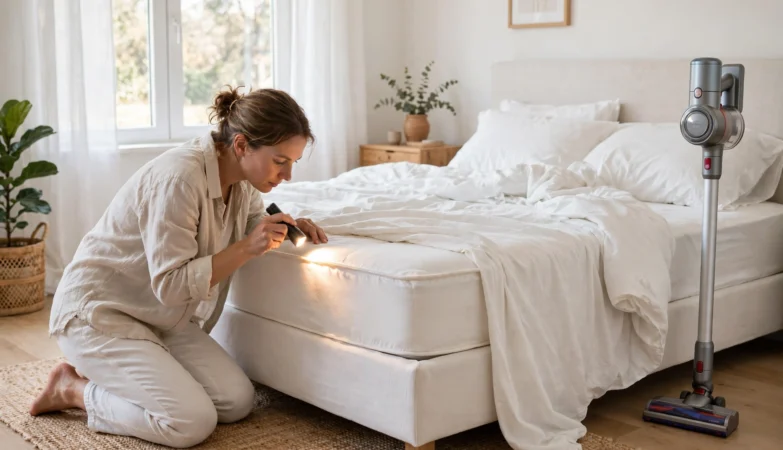
Before you use any treatment, spend a few minutes finding where the cockroaches live. This is the first step in how to get rid of cockroaches at home: know their hiding places before you try to remove them. They like warm, dark, damp places close to food and water, so check under the sink, behind the fridge and stove, inside kitchen cupboards, and around pipes. Their droppings look like tiny black specks or coffee grounds, and a musty smell can be another sign.
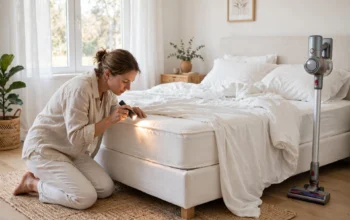
Also check soft furniture and hidden corners. Cockroaches can shelter under and behind sofas and chairs, so it helps to clean your sofa properly and vacuum underneath it. If you only ever see one or two roaches at night, the nest may still be small. If you see them in daylight, or find droppings in several rooms, the infestation is probably large and you may need a professional.
2. Cut Off Their Food and Water
No treatment works for long if your home keeps feeding the roaches. Cutting off food and water is also the first step in how to prevent cockroaches in kitchen cupboards from settling in. Cockroaches can live for about a month without food, but only about a week without water, so removing water matters even more than removing food. Fix dripping taps, wipe the sink dry at night, and never leave pet water bowls full overnight in the kitchen.
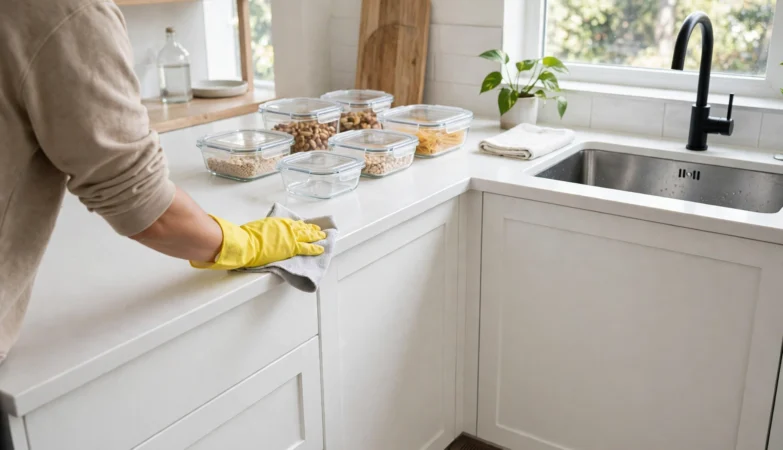
On the food side, store rice, flour, sugar and leftovers in sealed containers, sweep up crumbs every evening, and take the rubbish out daily. Keep your refrigerator clean and organised too, because spills and forgotten food inside the fridge also attract them. Starving roaches alone is slow, but it makes every other method in this guide work much better.
3. Use Boric Acid Bait
Of all the cockroach home remedies, boric acid for cockroaches is one of the most reliable. Boric acid is a stomach poison for roaches: they walk through a thin layer of the powder, then swallow it while grooming themselves, and usually die within about 72 hours.
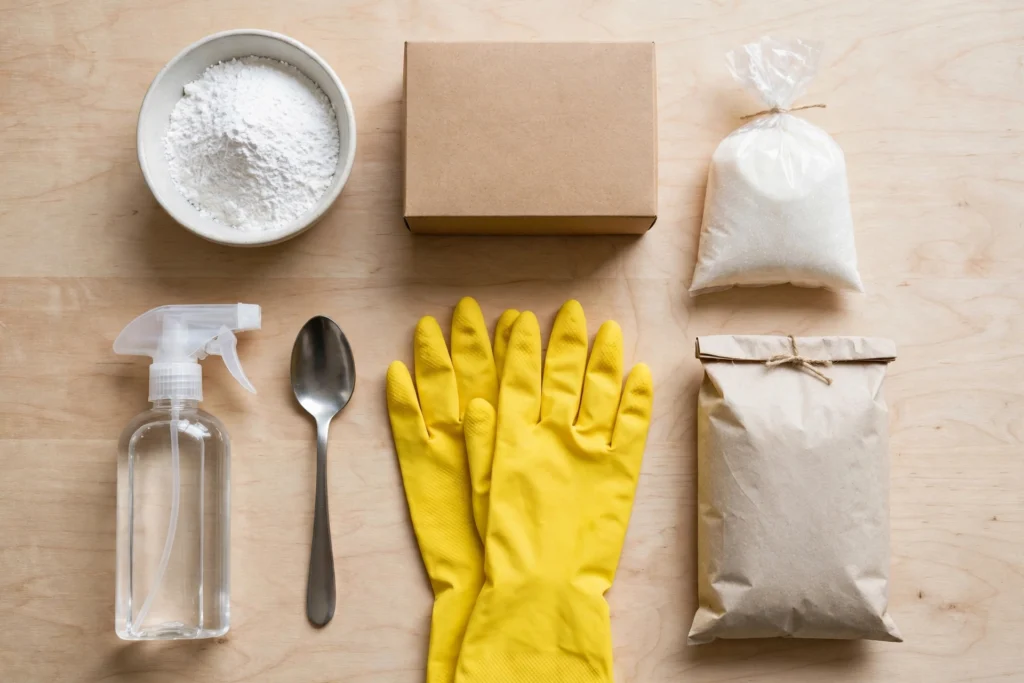
Mix one part boric acid with three parts powdered sugar, so the sugar attracts the roaches to the poison. Sprinkle a very thin, barely visible layer in dark corners, under the stove, behind the fridge, and along the edges of cupboards. Do not pile it up, because roaches avoid thick piles. Keep the powder dry, because moisture makes it less effective, and always place it where children and pets cannot reach it. Wash your hands after handling it.
4. Try a Baking Soda and Sugar Trap
If you prefer a completely non-toxic option, try baking soda and sugar. Mix equal parts of baking soda and white sugar, and place small amounts in shallow lids or bottle caps near places where you have seen roach activity.
The sugar attracts the cockroaches, and when they eat the baking soda it reacts with the acid in their stomachs and produces gas they cannot release. It is cheap, safe around pets in small amounts, and surprisingly effective for small roach problems. It will not clear a large infestation on its own, but it is a good low-effort way to reduce their numbers while you use other methods.
5. Try Food-Grade Diatomaceous Earth
Food-grade diatomaceous earth is a natural powder made from the fossilised remains of tiny water creatures called diatoms. It feels soft to human hands, but under a microscope its edges are sharp enough to cut through a cockroach’s waxy outer coating. The roach then loses moisture and dies from dehydration, usually within about 48 hours.
Sprinkle a light, thin layer along skirting boards, under appliances, and around pipe openings where roaches travel. Only use the food-grade kind, never the pool-grade kind, which is dangerous to breathe in. Wear a mask while applying it, and keep it dry, because wet diatomaceous earth stops working. Leave it in place for one to two weeks, then vacuum it up and apply a fresh layer if needed.
6. Use Gel Baits and Bait Stations
Gel baits are one of the easiest modern ways to learn how to kill cockroaches in kitchen cupboards and other hidden spots. You squeeze small dots of gel into cracks, behind appliances, and inside cupboards, and the roaches eat it and carry the poison back to their hiding places. This “horizontal transfer” means one bait can kill roaches you never see.
Ready-made bait stations work the same way and are tidier if you have children or pets, because the poison stays inside a small plastic case. Place them along walls and near warm appliances, and replace them every few weeks or when they are eaten. Do not spray insecticide near your baits, because the smell can drive roaches away from the bait.
7. Use a Cockroach Spray for Home Use on Direct Sightings
A cockroach spray for home use is useful when you spot a roach and want it gone right away, but it is not a complete solution on its own. If you want to know how to kill cockroaches in kitchen corners quickly, a spray helps only with the ones you can see, while the nest stays hidden behind walls and appliances.
Use the spray only on roaches you actually see, and keep it away from food, dishes, and pet bowls. Open a window after spraying, and do not spray it on the same surfaces where you placed baits or boric acid, because it can repel roaches from those treatments. Think of spray as a backup tool, not your main method.
8. Seal Cracks and Entry Points
Cockroaches slip into homes through surprisingly small gaps, so sealing their way in is an important step in how to get rid of cockroaches at home for good. Fill cracks around pipes, windows, and skirting boards with caulk or sealant, fit door sweeps on outside doors, and cover drains that are not used often.
Check the seals on your fridge and kitchen cupboards as well, and repair any torn mesh on windows. This step will not remove the roaches already inside, but it stops new ones from arriving and makes it harder for the survivors to spread from room to room. It is also one of the best ways to learn how to get rid of small cockroaches, which can squeeze through gaps you would never notice.
9. Build a Daily Kitchen Routine to Prevent Them
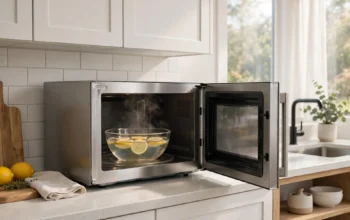
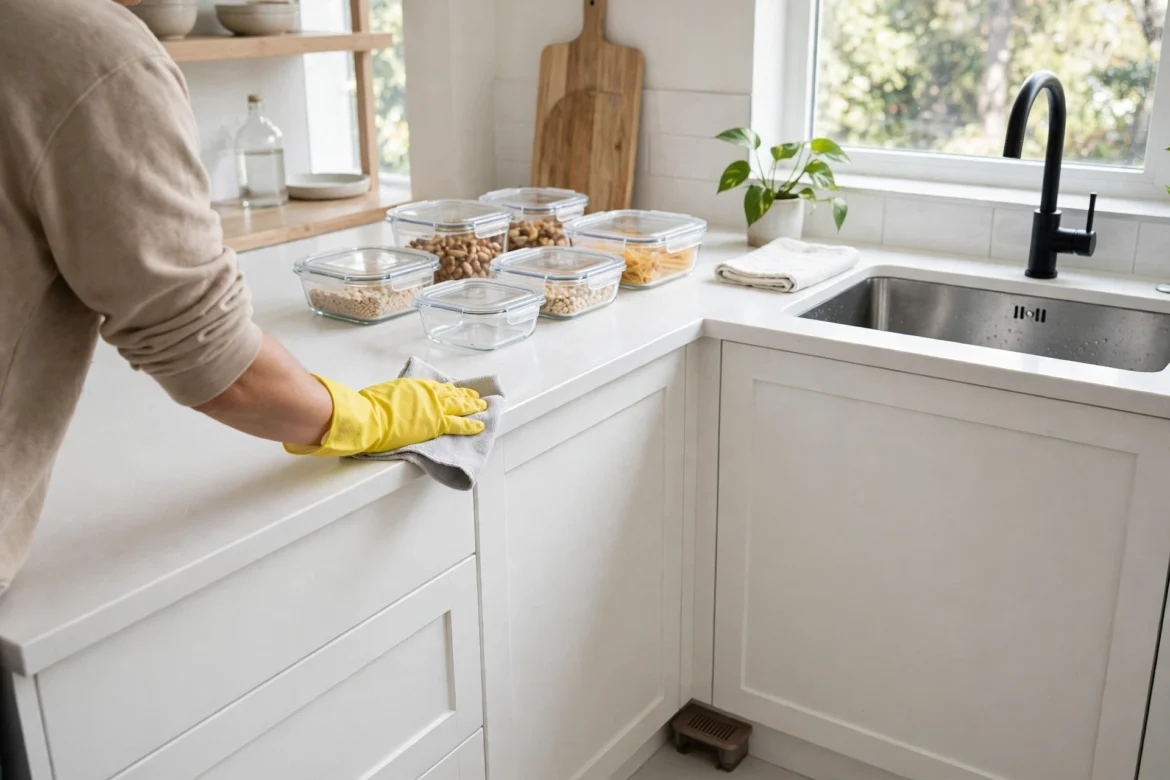
Knowing how to prevent cockroaches in kitchen spaces is mostly about small daily habits. Wash dishes before bed or load them straight into the dishwasher, wipe counters and the stove after cooking, and sweep the floor every night. Clean your microwave oven regularly too, because food splatters inside it are an easy meal for roaches.
Empty the bin every evening, keep food in sealed containers, and store fruit in the fridge during warm weather. A kitchen that is cleaned daily gives cockroaches nothing to eat and nowhere to hide, and that is often enough to keep a small problem from returning.
When to Call a Professional
Home methods work well for small and medium problems, but some situations need a licensed exterminator. Call one if you see cockroaches during the day, find droppings in several rooms, or suspect German cockroaches, which are small, light brown, and notoriously hard to remove. A professional can treat wall cavities and other places you cannot reach, and can tell you whether the infestation needs more than one visit.
Do not wait too long in these cases. A large infestation spreads bacteria through the home and can make allergies and asthma worse, so getting help early is usually cheaper and safer than trying treatment after treatment on your own.
Common Mistakes to Avoid
First, do not mix different chemical treatments. Spraying insecticide over your baits or boric acid can stop roaches from touching them, which wastes both products. Second, do not use thick piles of powder; roaches walk around them, so thin layers always work better.
Third, do not expect results in one night. Boric acid takes about three days to work, and diatomaceous earth takes about two, so give each method at least a week before you judge it. Finally, never place boric acid or chemical baits where children or pets can reach them, and never use bug bombs as a first step, because they scatter roaches deeper into walls instead of killing the nest.
Frequently Asked Questions
Are cockroach home remedies enough on their own? For a small problem, yes. Boric acid, baking soda traps, and diatomaceous earth can clear a few roaches, especially when combined with a clean kitchen. For a large infestation, you will probably need gel baits or a professional.
How long does boric acid take to kill cockroaches? Usually about 72 hours after a roach eats it. It is not instant, but it keeps working for weeks as long as it stays dry and in place.
Do cockroaches come back after treatment? They can, if food, water, and entry points are still available. The best way to stop them returning is to keep the kitchen clean, store food in sealed containers, fix leaks, and seal cracks.
Conclusion
Learning how to get rid of cockroaches at home comes down to three things: remove their food and water, use a proven treatment such as boric acid for cockroaches or a baking soda trap, and keep the kitchen clean every day. Start with the simplest cockroach home remedies, give them a week to work, and seal the gaps they use to get in. If the problem is large or keeps coming back, call a professional before it spreads further. A clean, dry, sealed kitchen is the best long-term defence you can have.