A pimple always seems to appear at the worst possible moment — the night before a wedding, a job interview, or an important photo. If you are wondering how to get rid of pimples fast, the honest answer is that no product makes a pimple vanish in minutes, but the right steps can shrink it, calm the redness, and help it heal in a day or two instead of a week. Most pimples last about 3 to 7 days, and the methods below are the ones dermatologists actually recommend.
In this guide you will learn how to get rid of pimples fast with nine simple methods that really work, which home remedies are safe, what to avoid, and when a pimple needs a dermatologist instead of a home fix.
What Causes Pimples in the First Place?
Pimples form when a pore gets blocked by excess oil, dead skin cells, and bacteria. Hormones, stress, heavy makeup, and touching your face all make blockages more likely. Understanding the cause matters, because the fastest fixes are the ones that unblock the pore and calm the inflammation — not the ones that dry your skin out or damage it.
1. Wash Your Face Gently, Twice a Day
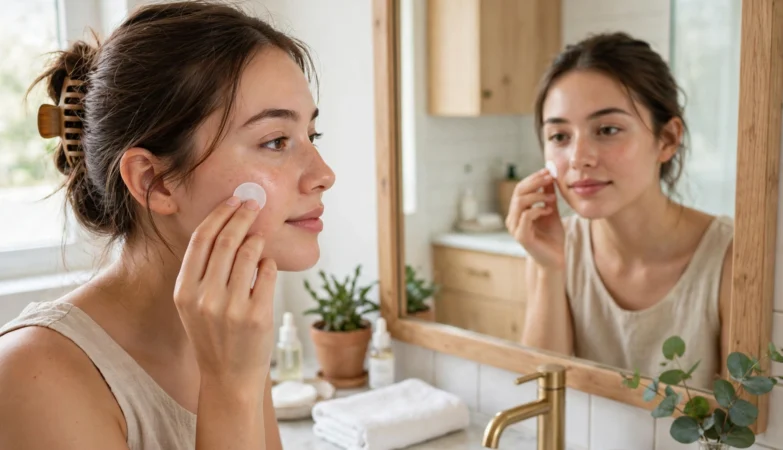
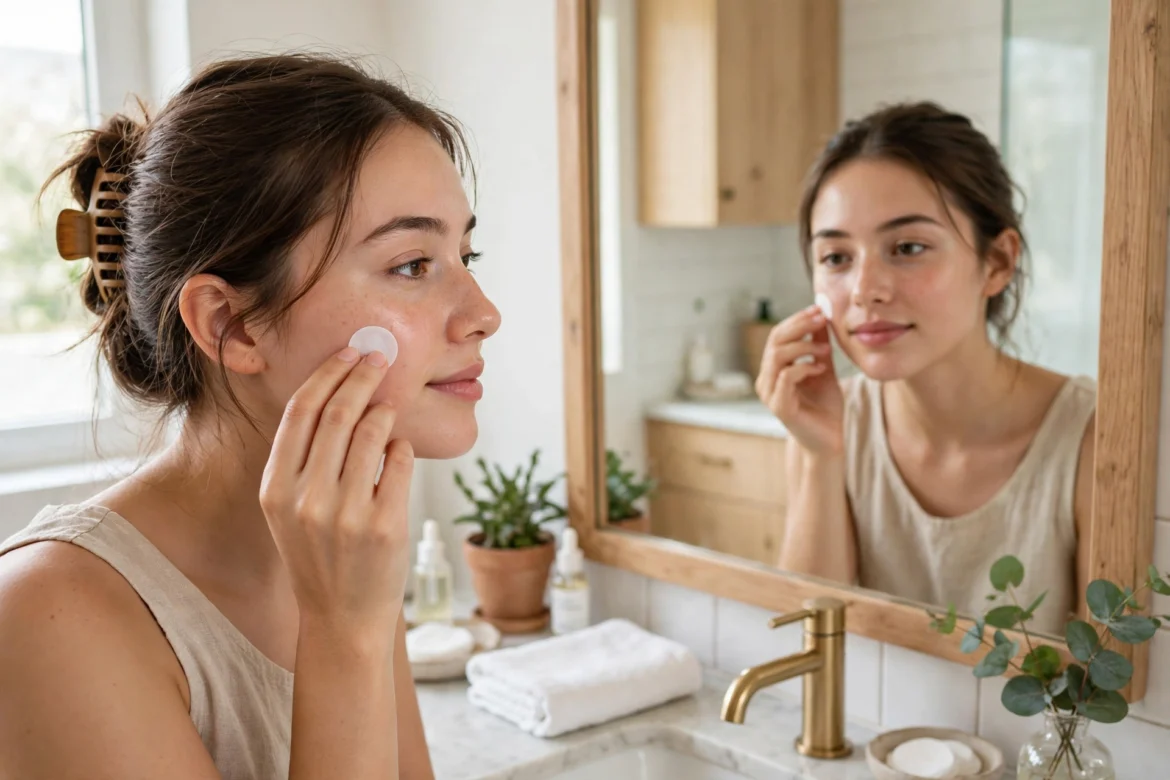
The first step in learning how to get rid of pimples fast is also the simplest: wash your face with a gentle cleanser and lukewarm water, morning and night. The best face wash for acne is one that cleans without stripping your skin — look for a cleanser with salicylic acid or benzoyl peroxide, and use only your fingertips. Scrubbing hard creates tiny tears in the skin and makes redness worse, so massage the cleanser in for about a minute and pat your face dry with a clean towel.
2. Dab On Benzoyl Peroxide
If you want one product that works fast, benzoyl peroxide is the dermatologists’ first pick. It kills the bacteria that cause pimples and dries out the spot. Use a 2.5% or 5% gel or cream — studies show 2.5% works just as well as 10% with far less dryness and peeling. Dab a thin layer directly on the pimple and let it dry. When people ask about the best cream for pimples, a simple benzoyl peroxide spot treatment is usually the answer, and it is available at any pharmacy without a prescription. Most acne cream products on pharmacy shelves contain either benzoyl peroxide or salicylic acid — check the label and pick one active ingredient, not both at once. Any plain pimple cream with 2.5% benzoyl peroxide does the job; you do not need an expensive brand.
3. Try Salicylic Acid for Clogged Pores
Salicylic acid is a beta-hydroxy acid that dissolves the mix of oil and dead skin blocking your pore. A 2% spot treatment or cleanser works well for whiteheads and blackheads. Apply it once a day at first, and do not use it on the same spot at the same time as benzoyl peroxide — layering two strong actives usually causes dryness and irritation, which makes the pimple look worse, not better.
4. Calm Swelling With Ice
For a red, swollen pimple, ice is the quickest way to make it look smaller. Wrap an ice cube in a clean cloth and hold it against the pimple for 5 to 10 minutes, then take a 5-minute break and repeat two or three times. Ice reduces blood flow to the area, which brings down swelling, redness, and pain. Do this before bed and again in the morning for the best effect.
5. Cover It With a Pimple Patch Overnight
Hydrocolloid pimple patches are small, clear stickers that absorb fluid from a pimple and protect it from your fingers while you sleep. If the pimple already has a white head, a patch can flatten it noticeably overnight. They also stop you from touching the spot, which is half the battle. Put the patch on clean, dry skin and leave it on for several hours or overnight. If you prefer a cream to a patch, a thin layer of acne cream with benzoyl peroxide before bed works in a similar way.
6. Use Tea Tree Oil — Diluted, Never Neat
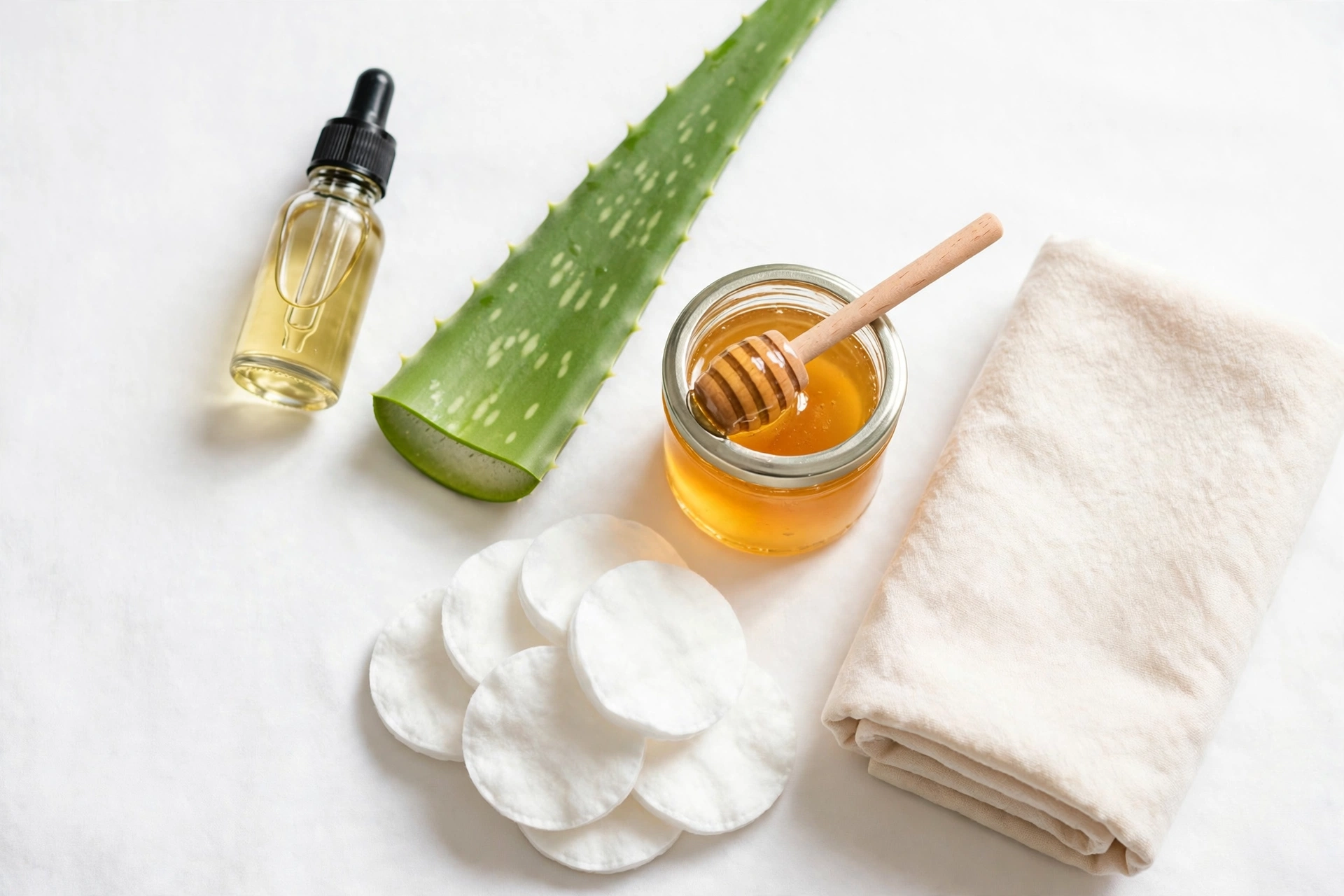
Tea tree oil for pimples is one of the few home remedies with real evidence behind it: it has natural antibacterial properties. But never apply it undiluted — it can burn and irritate the skin. Mix one drop of tea tree oil with a teaspoon of a carrier oil such as jojoba or coconut oil, dab it on the pimple with a cotton bud, and use it once a day. Stop if your skin stings or turns very red.
7. Soothe With Aloe Vera
Aloe vera for pimples works as a gentle soother rather than a cure: its gel cools the skin, reduces redness, and helps the spot heal without drying it out. Apply a thin layer of pure aloe vera gel to the pimple after washing your face. If you want to make your own, our guide on how to make aloe vera gel at home shows the simple step-by-step method. Aloe vera also pairs well with other treatments — use it after benzoyl peroxide has dried to calm any tightness.
8. Do Not Pop It — and Skip the Toothpaste
Popping a pimple pushes bacteria deeper into the skin, increases inflammation, and is the most common reason a pimple that should have cleared in two days leaves a dark mark for months. Your hands carry bacteria too, so every squeeze makes things worse. Toothpaste is another myth to skip: modern toothpaste formulas can irritate skin and even cause burns. The same goes for crushed aspirin and harsh scrubs — they do more harm than good.
9. Prevent the Next Breakout
Getting rid of one pimple fast is good; stopping the next one is better. Change your pillowcase twice a week, clean your phone screen, keep your hair off your face, and use oil-free moisturiser and sunscreen every day. A gentle toner can help too — rose water for skin is a mild, natural option that suits most skin types. Acne home remedies such as a simple routine — gentle cleansing, a light moisturiser, and sunscreen — prevent far more pimples than any emergency spot treatment. If you wear makeup, remove it fully every night and choose non-comedogenic products that will not block your pores.
What About Marks Left Behind?
Even after the pimple is gone, a dark mark can linger for weeks. Learning how to get rid of acne scars naturally starts with patience and sun protection: sunscreen stops marks from darkening while your skin heals. Gentle exfoliation with salicylic acid, vitamin C serums, and time will fade most marks, and the honest truth about how to get rid of acne scars naturally is that gentle care and time matter more than any single product. If you are looking for how to remove acne scars that are deep or pitted, home care will not be enough — a dermatologist can offer peels, microneedling, or laser treatment. Never pick at a healing spot, because that is what turns a temporary mark into a permanent scar.
When to See a Dermatologist
Most pimples clear up with the steps above, but see a dermatologist if your pimples are deep, painful, and cystic, if they keep coming back in the same place, or if they leave scars. A dermatologist can inject a small amount of corticosteroid into a large, painful pimple, which usually flattens it within 24 to 48 hours. They can also build a long-term plan with prescription treatments that stop breakouts before they start.
The Bottom Line
Now you know how to get rid of pimples fast: wash gently, spot-treat with benzoyl peroxide or salicylic acid, calm swelling with ice, cover whiteheads with a patch overnight, and leave the pimple alone. The best cream for pimples is a simple, low-strength pimple cream used consistently — not a dozen products layered at once. Be patient with your skin, protect it from the sun, and see a dermatologist if breakouts keep returning. Clear skin is a routine, not a race.