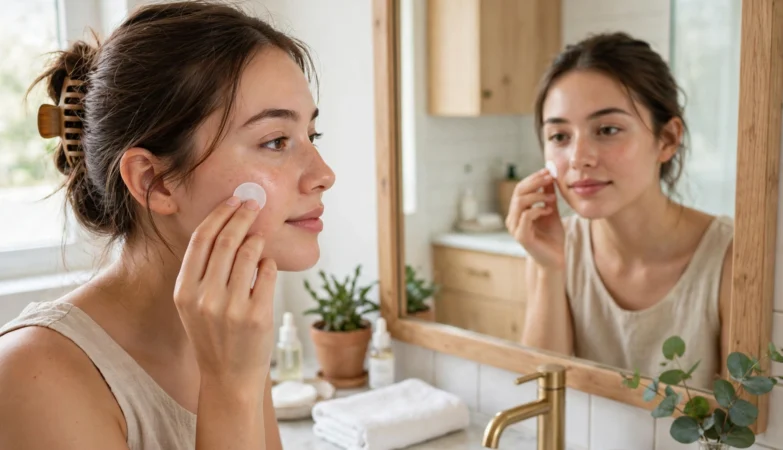

If you have ever stood in front of the mirror wondering how to grow beard faster, you are not alone. A full beard takes time, and no cream or oil can rush it overnight. The good news is that a few honest habits can help you get the most out of the beard your genes allow — and avoid wasting money on products that promise far more than they deliver.
This guide covers what actually works, what only helps a little, and what to skip, so you can build a simple routine and stick with it.
First, Understand How Beard Growth Works
Beard growth is mostly decided by your genes. Testosterone and its stronger form, DHT, switch your facial hair follicles on, but the number and placement of those follicles is set before you are born. No product can create new follicles where none exist. That is the single most important fact behind all beard growth tips: everything you do can only help the follicles you already have grow thicker and healthier.
Facial hair also grows in cycles. Each hair grows for a few months, rests, and then falls out. A new beard can look patchy for the first few weeks simply because the hairs are at different stages. Most men need at least four to six weeks before they can judge what their beard will really look like.
1. Give Your Beard Time to Grow
The first rule of how to grow beard faster is the one nobody wants to hear: wait. Put the razor away for at least four weeks and let the hairs fill in. Patchy spots often disappear once the slower hairs catch up, and trimming too early only resets the clock.
During this month, resist shaping the neckline too high or carving the cheek line. A little untidiness now is the price of a fuller beard later. The same patience applies to the hair on your head — if you want the full picture, our guide on how to make your hair grow faster covers the same growth-cycle basics in more detail.
2. Minoxidil: The One Treatment With Real Evidence
If you want to know how to grow beard fast with something stronger than patience, minoxidil is the only treatment with proper clinical trials done on beards themselves. That is why, when men ask how to grow beard faster, dermatologists usually point to minoxidil first. In a 2016 randomised trial published in the Journal of Dermatology, men who applied 5% minoxidil twice a day for 16 weeks grew measurably more facial hair than men using a placebo. A later trial found beard density rose by about 11 hairs per square centimetre after 12 weeks.
There are two catches. First, using minoxidil on the face is off-label, which means it is not officially approved for beards, so talk to a doctor or dermatologist before you start. Second, results take three to four months, and the new growth usually sheds if you stop using it. Common side effects are dryness and skin irritation. It is the strongest option science offers — but it is a commitment, not a quick fix.
3. Try Microneedling (Derma Rolling)
Microneedling means rolling a device covered in tiny needles over the skin to create micro-injuries that trigger repair and blood flow. It is a supporting method rather than a proven treatment on its own, and it works best combined with minoxidil — but never use both on the same day.
If you try it, use a 0.5 mm roller once a week, roll gently in several directions, and keep the roller clean and dry between uses. Stop if your skin stays red or sore for more than a day. This is one of the beard growth tips that sounds technical but takes less than five minutes once a week.
4. How to Grow Beard Naturally: Eat, Sleep and Move Well
Learning how to grow beard naturally starts with the basics, because hair is built from what you eat and how you rest. Protein is the building block of hair, so include eggs, lentils, chicken, fish or dairy in most meals. Iron, zinc and vitamin D also support healthy hair, and foods like spinach, nuts, seeds and fatty fish cover all three.
Sleep matters just as much. Most testosterone is produced during deep sleep, so aim for seven to nine hours a night. Regular exercise, especially strength training, supports healthy hormone levels too. A warm cup of green tea will not grow a beard by itself, but a diet rich in whole foods and antioxidants gives your follicles the raw materials they need — and that is the honest version of growing a beard naturally.
5. Fix a Deficiency Before Buying Supplements
Walk into any supplement shop and you will find biotin capsules promising a thicker beard. The truth is narrower: biotin and other vitamins only help beard growth if you are actually deficient. If your levels are normal, extra biotin does nothing for your beard — and very high doses can even distort blood test results for thyroid and heart markers.
If you suspect a deficiency, ask your doctor for a blood test rather than guessing with supplements. Fixing a real shortfall in vitamin D, iron or zinc is one of the few supplement moves that genuinely helps. Everything else is usually just expensive hope.
6. Use Beard Growth Oil the Right Way
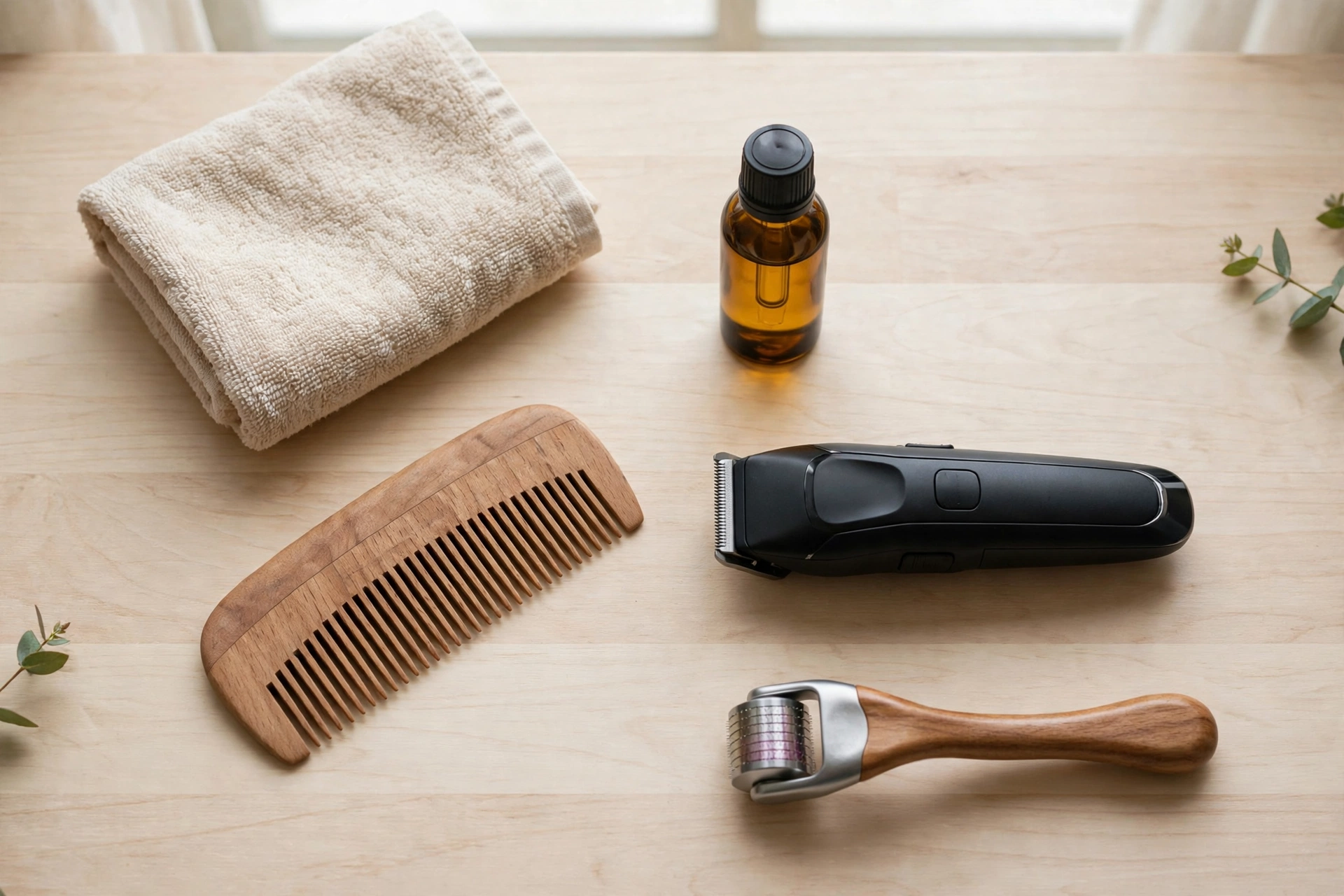
Beard growth oil is the most misunderstood product in the beard world. There is no human trial showing that any beard growth oil makes hair grow faster. What a good oil does do is soften the hair, reduce itch, and moisturise the skin underneath — and that matters, because dry, irritated skin makes a beard look thinner than it is.
Use two or three drops after a shower while the beard is slightly damp, work it through with your fingers, and comb it down. Think of beard growth oil as care, not a cure: it makes the beard you have look fuller and feel better while the real growth work happens underneath.
7. Wash, Comb and Trim With Care
A clean beard grows better simply because healthy skin supports healthy follicles. Wash your beard two or three times a week with a gentle beard wash or mild shampoo — daily washing strips the natural oils and leaves the hair brittle. After washing, pat it dry and comb it with a wooden comb, which spreads oil evenly and causes less static than plastic.
Trimming is part of growing, not the opposite of it. Once the beard has some length, tidy the neckline just above the Adam’s apple and keep the cheek line natural. A light trim every couple of weeks removes split ends and makes the beard look thicker — simple, free, and genuinely part of how to grow beard faster without buying anything new. If the skin underneath feels dry or itchy, a little rose water dabbed on with cotton can soothe it gently.
8. Quit Smoking and Manage Stress
Smoking narrows blood vessels and reduces blood flow to the skin, which means less oxygen and fewer nutrients reaching your follicles. Quitting will not give you a beard overnight, but it removes a real obstacle to growth.
Stress works in a similar way. Long-term stress raises cortisol, which can push hair follicles into their resting phase early and slow growth. Daily walks, regular sleep and cutting back on late-night screen time are simple steps that support both your health and your beard.
9. Know When to See a Dermatologist
Some beard problems need a doctor, not a product. See a dermatologist if you notice sudden, round bald patches in the beard, heavy itching or redness that does not settle, or no visible progress after a year of consistent care. Conditions like alopecia barbae, thyroid problems and hormone imbalances can all hold beard growth back, and they need proper diagnosis.
A dermatologist can also talk through stronger options if nothing else has worked, from prescription treatments to a beard transplant — the only permanent fix for areas where no follicles exist at all.
What Does Not Work
A few myths are worth clearing up. Shaving does not make hair grow back thicker — it only feels that way because the cut ends are blunt. Beard growth oil alone will not create new follicles. And no supplement can override your genes. If a product promises a full beard in two weeks, it is selling hope, not hair.
The Bottom Line
So, how to grow beard faster? Give it four to six weeks of untouched growth, eat and sleep well, keep the beard clean and moisturised, and consider minoxidil or microneedling only after talking to a doctor. Most men see real change in three to four months, not three to four days — and that is normal. Work with the beard your genes gave you, look after it daily, and the results will follow.
This article is general information only and is not medical advice. Talk to a doctor or dermatologist before starting minoxidil or any new treatment, especially if you have a skin condition or take other medicines.