
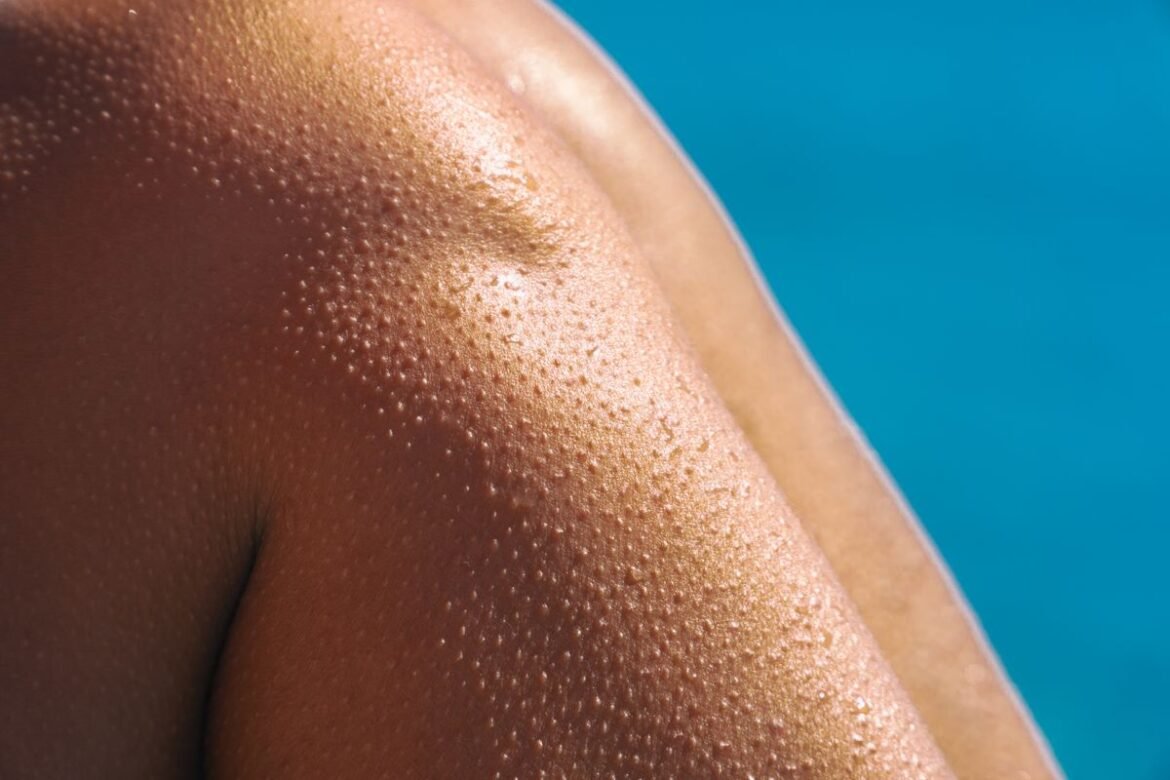
A tan is your skin’s way of protecting itself from the sun. When ultraviolet rays hit your skin, it produces more melanin, and that extra pigment darkens the exposed areas. It is harmless in most cases, but it can look uneven, especially when your face tans more than the rest of your body. The good news is that a tan fades on its own as your skin renews itself, and a few simple habits can help it fade faster. Here is how to get rid of tan naturally, using remedies you probably already have at home.
What Causes a Tan — and Why It Takes Time to Fade
Sunlight is the main cause. Even a short walk in strong afternoon sun, or a day at the beach without sunscreen, can darken your skin. The tan sits in the outer layers of the skin, so it fades as those layers shed and new skin comes through. That usually takes a few weeks, which is why people look for ways to speed the process up. No home remedy removes a tan overnight, but gentle exfoliation, soothing ingredients and sun protection together make a real difference.
1. Aloe Vera Gel
Aloe vera is one of the simplest tan removal home remedies. It cools the skin, calms sunburn and keeps the skin moisturised, which helps it renew itself. Scoop fresh gel from an aloe leaf, or use a plain store-bought gel with no added fragrance, and massage it onto the tanned area before bed. Leave it on overnight and wash it off in the morning. You can use it every day — it suits most skin types and rarely causes irritation.
2. Lemon and Honey
Lemon juice is a natural lightening agent, and honey keeps the skin soft, so the two work well together. Mix one teaspoon of lemon juice with one teaspoon of honey, apply it to the tanned skin, and leave it for 15 to 20 minutes before rinsing with lukewarm water. This is one of the most popular answers to how to remove tan from face, but use it with care: lemon can sting on sensitive or sunburnt skin, so do a patch test first and never step out into the sun right after applying it. Use it two or three times a week, not every day.
3. Curd and Turmeric Pack
Curd gently exfoliates the skin because it contains lactic acid, and a pinch of turmeric adds a natural glow. Mix two tablespoons of curd with a small pinch of turmeric and apply the paste to your face, neck or arms. Leave it for 20 minutes, then rinse it off while massaging gently in circles. This is a gentle remedy, so it works well even for people with dry skin, and it is one of the oldest tan removal home remedies used in South Asian households.
4. Potato Juice
Raw potato juice is another old home remedy if you want to know how to remove tan from skin gently. It contains mild natural enzymes that help lighten the skin over time. Grate a potato, squeeze out the juice, and apply it to the tanned area with a cotton ball. Leave it for 15 minutes, then wash it off. You can use it daily, and it is mild enough for the delicate skin around the eyes — though keep it away from the eyes themselves.
5. Cucumber and Rose Water
Cucumber cools the skin and rose water tones it, which makes this a good remedy after a long day in the sun. Blend half a cucumber, strain the juice, and mix it with a little rose water. Apply it with a cotton ball and let it dry on its own. It does not lighten a tan as quickly as lemon, but it soothes the skin and keeps it hydrated, which helps the tan fade evenly. It is also a good choice if your skin is too sensitive for lemon juice.
6. Exfoliate Gently, Once or Twice a Week
Dead skin holds the tan, so gentle exfoliation helps new skin come through faster. Mix a tablespoon of gram flour (besan) with a little curd or milk to make a paste, massage it onto the tanned area in light circles, and rinse it off. Do this once or twice a week. Avoid harsh scrubs or scrubbing hard — irritated skin tans more easily and heals more slowly. The same goes for your hands and arms: knowing how to remove tan from hands is mostly about the same gentle routine, not a stronger product.
7. Protect Your Skin So the Tan Does Not Come Back
Removing a tan is only half the job. If you keep going out in strong sun without protection, the tan returns within days. Apply a broad-spectrum sunscreen with at least SPF 30 every morning, and reapply it if you stay outdoors for hours. Wear a hat or cover your arms when the sun is at its strongest, usually between 11 in the morning and 3 in the afternoon. This step matters more than any remedy — it is what stops the cycle of tanning and fading.

How Long Does It Take to Remove a Tan?
Most tans fade noticeably within two to four weeks with regular care, and deeper tans can take longer. The remedies above show how to remove sun tan naturally, and they work gradually, because they support your skin’s natural renewal rather than stripping it. If a tan does not fade after a couple of months, or if the skin is painful, blistered or patchy, it is worth seeing a dermatologist — some dark patches are not ordinary tans and need proper treatment.
The Bottom Line
Learning how to get rid of tan is really about patience and a simple routine: soothe the skin with aloe or cucumber, use a gentle remedy like curd and turmeric or lemon and honey, exfoliate lightly once a week, and protect your skin with sunscreen every day. Pick two or three remedies that suit your skin, use them regularly, and give your skin a few weeks. The tan will fade — and with sun protection, it will stay away. If you want more ideas for brightening your skin once the tan is gone, read our guide on how to get fair skin naturally.