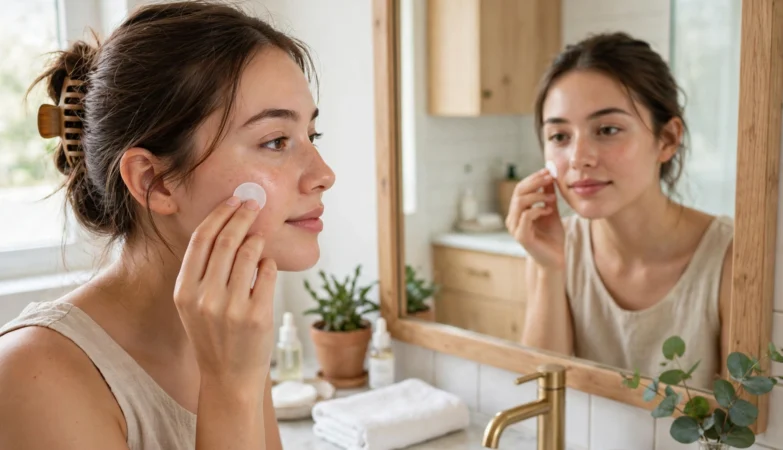
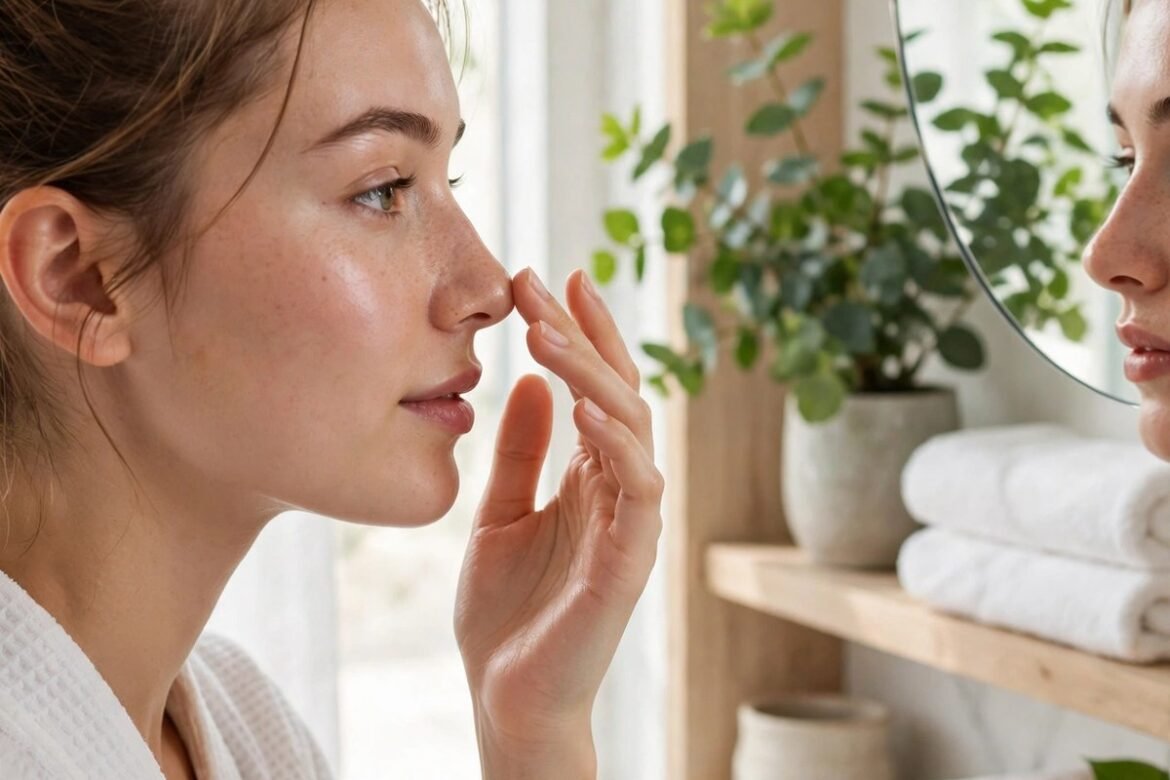
Blackheads on nose are one of the most common — and most stubborn — skin problems. Those tiny dark dots sit right in the middle of your face, they show up in every mirror, and no amount of scrubbing seems to make them disappear for good. The good news is that blackheads on the nose are very treatable at home, as long as you use the right methods and a little patience.
A blackhead is a type of acne called an open comedone. It forms when a pore on your nose gets clogged with excess oil (sebum) and dead skin cells. Because the pore stays open, the trapped mixture reacts with air and turns dark — that dark colour is oxidation, not dirt. Blackheads are not a sign of poor hygiene, and scrubbing harder will not remove them. In this guide, you will learn how to get rid of blackheads on nose safely, how to clear blackheads on nose without damaging your skin, and which popular tricks you should skip.
What Causes Blackheads on Nose?
The nose has more oil glands than most other parts of the face, which is why blackheads love it. When your sebaceous glands produce extra oil, it mixes with dead skin cells and blocks the pore. Hormonal changes, hot and humid weather, heavy makeup and pore-clogging creams can all make it worse. Dead skin that does not shed properly also builds up and adds to the clog.
1. Use a Salicylic Acid Cleanser
Salicylic acid is the single most useful ingredient for blackheads on nose. It is a beta hydroxy acid (BHA) that dissolves in oil, so it can get inside the pore and loosen the plug of sebum and dead cells. If you are wondering how to remove blackheads from nose at home, a salicylic acid cleanser is the best place to start. Look for a cleanser or leave-on product with 0.5% to 2% salicylic acid. Use it once a day at first, and increase slowly if your skin stays comfortable. A leave-on product usually works better than a wash, because the ingredient stays on your skin longer.
2. Try a Retinoid to Keep Pores Clear
Retinoids, which come from vitamin A, help your skin shed dead cells normally so pores do not clog in the first place. Adapalene 0.1% gel is available over the counter in many countries and is the most common choice for blackheads. Start with a pea-sized amount two or three nights a week on the nose and T-zone, then build up slowly. Do not start a retinoid and salicylic acid aggressively on the same nights — alternate them until your skin adjusts.
3. Exfoliate Gently, Twice a Week
Gentle chemical exfoliation helps remove the dead skin cells that lead to clogged pores. Alpha hydroxy acids such as glycolic acid and beta hydroxy acids such as salicylic acid are far better than harsh scrubs. Exfoliate only two or three times a week — over-exfoliating dries the skin out and can make oil production worse.
4. Use a Clay Mask Once a Week
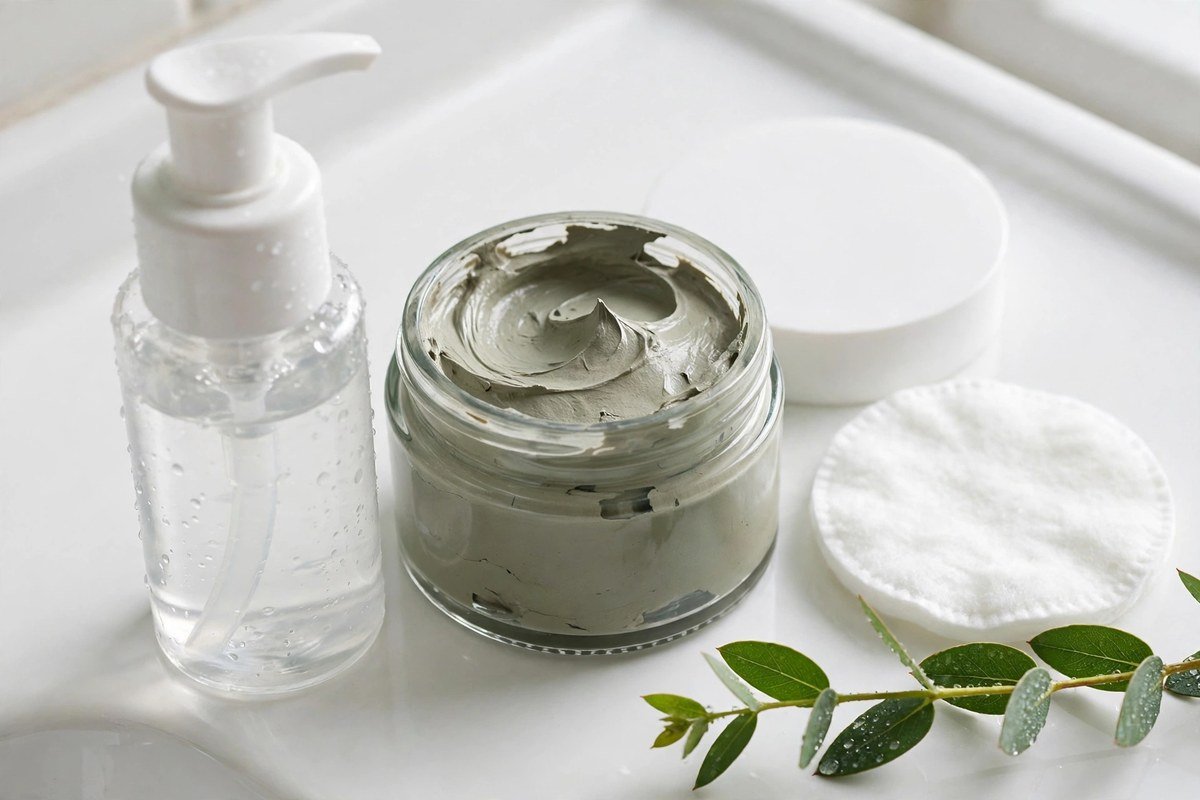
Clay masks, especially those with kaolin or bentonite clay, absorb excess oil and draw impurities out of the skin. Apply a thin layer just on the nose for 5 to 10 minutes once a week, then rinse with lukewarm water. This is a simple way to keep oil under control without stripping the whole face.
5. Try a Charcoal Mask for Surface Blackheads
Activated charcoal masks can help pull out surface oil and loosen the top of a blackhead plug. They work best on the very top of the clog, not the deep stem, so think of them as a helper, not a cure. Use them occasionally and always moisturise afterwards.
6. Steam Your Face Before Treatment
A short steam softens the surface of the skin and makes it easier for active products to work. Hold your face over a bowl of hot water for 5 to 10 minutes, or simply do your routine after a warm shower. Steam alone does not remove blackheads, but it prepares the skin for the products that do.
7. Do Not Squeeze Blackheads With Your Fingers
Squeezing is the most common mistake. It can push the clog deeper, damage the pore, spread bacteria from your nails and leave scars or dark marks. If a stubborn blackhead needs manual removal, leave it to a dermatologist or trained esthetician, who uses a sterile tool after prepping the skin properly.
8. Remove Makeup Every Night and Choose Non-Comedogenic Products
Learning how to prevent blackheads on nose is just as important as removing the ones you already have. Sleeping in makeup traps oil and dead skin in your pores overnight. Wash your face every evening, and choose skincare and makeup labelled “non-comedogenic” or “oil-free” — these are less likely to block your pores.
9. Moisturise and Protect With Sunscreen
Skipping moisturiser makes oily skin worse, because dry skin signals your glands to produce even more oil. Use a light, non-comedogenic moisturiser every day, and wear sunscreen in the morning — especially when you use salicylic acid or a retinoid, which can make skin more sensitive to the sun.
Home Remedies: What Helps and What to Avoid
Some gentle home options can soothe the skin — a thin layer of honey for 10 to 15 minutes, or a finely ground oatmeal mask for about 10 minutes. But do not expect kitchen remedies to dissolve a deep clog the way salicylic acid does. Avoid lemon juice, which can irritate the skin and cause dark patches in sunlight, and baking soda, which is far too alkaline and damages the skin’s protective barrier. Harsh sugar or salt scrubs can create tiny tears in the skin and make things worse.
When to See a Dermatologist
See a dermatologist if blackheads on nose are widespread, keep coming back after about twelve weeks of consistent care, or appear with painful cysts, scarring or dark marks. A dermatologist may suggest prescription retinoids, azelaic acid, chemical peels or professional extraction. If you also struggle with dark circles or dull skin, small daily habits matter — see our guide on how to remove dark circles at home for a simple routine that pairs well with this one.
Conclusion
Blackheads on nose are stubborn, but they are not permanent. The method that works is simple: dissolve the clog with salicylic acid, train your skin with a retinoid, exfoliate gently, and protect your skin barrier with moisturiser and sunscreen. Skip the squeezing, the harsh scrubs and the overnight miracle claims. Give the routine four to six weeks of steady use, and your nose will start looking clearer — and stay that way.