
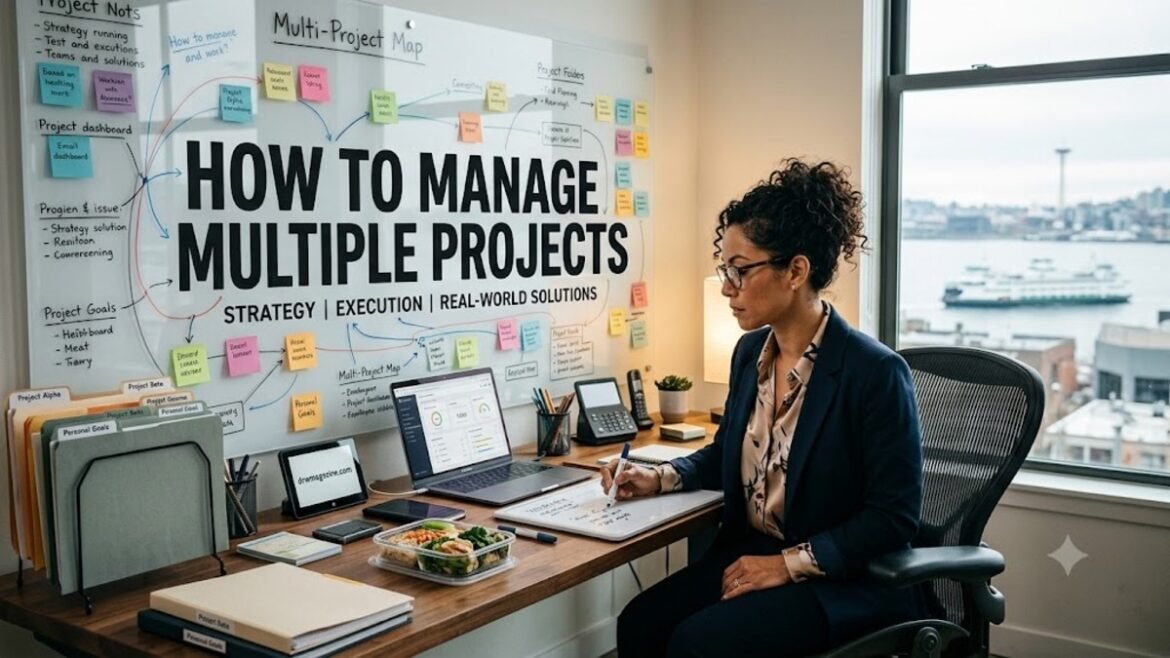
Handling more than one project at a time can be challenging, especially if you are a student, freelancer, entrepreneur, or working professional. Without proper planning, deadlines start piling up, important tasks get delayed, and stress levels increase. That is why searches for how to manage multiple projects are growing rapidly among people looking to improve their productivity and stay organized.
Learning how to manage multiple projects is not about working longer hours. It is about using smarter strategies to organize your workload, prioritize tasks, and maintain consistent progress across every project. Whether you are managing college assignments, client work, business goals, or personal responsibilities, the right approach helps you complete work efficiently without feeling overwhelmed.
The good news is that anyone can learn project management habits with regular practice and simple planning techniques.
How to Manage Multiple Projects: Why Proper Planning Is Essential
Understanding how to manage multiple projects begins with recognizing that poor planning often causes missed deadlines, confusion, and burnout. When every project has a clear schedule and defined priorities, it becomes much easier to stay focused and productive.
The popularity of how to manage multiple projects continues increasing in India because more people are balancing studies, freelancing, remote work, online businesses, and skill development at the same time. A structured workflow helps manage responsibilities without sacrificing quality.
Good planning reduces stress and allows you to give proper attention to every project.
List Every Project
The first step is knowing exactly what you are working on.
Create a master list that includes:
- Active projects
- Pending work
- Upcoming deadlines
- Long-term goals
Having everything in one place prevents important tasks from being forgotten.
Prioritize Your Work
Not every project requires immediate attention.
Organize projects based on:
- Deadline urgency
- Importance
- Difficulty
- Expected impact
Focus on high-priority work first while keeping steady progress on other projects.
Break Projects Into Smaller Tasks
Large projects often feel difficult to manage.
Instead of writing:
“Complete website”
Break it into:
- Research
- Planning
- Design
- Writing
- Editing
- Final review
Small tasks are easier to complete and help you measure progress more accurately.
Create a Weekly Schedule
A weekly plan provides better control over your workload.
Allocate specific days for:
- Client work
- Study sessions
- Meetings
- Research
- Personal development
Planning your week reduces last-minute pressure.
Use Time Blocking
Time blocking helps prevent projects from overlapping.
For example:
- 9:00–11:00 AM – Project A
- 11:30–1:00 PM – Project B
- 2:00–4:00 PM – Project C
Dedicated work sessions improve concentration and reduce distractions.
Avoid Constant Task Switching
Switching between projects every few minutes decreases productivity.
Instead:
- Finish one important task.
- Take a short break.
- Move to the next project.
Deep focus often produces higher-quality results.
Keep Deadlines Visible
Always know your upcoming deadlines.
You can use:
- Wall calendars
- Digital calendars
- Task management apps
- Planners
Visible deadlines improve accountability and reduce the risk of missing important work.
Review Progress Every Day
Spend a few minutes reviewing your projects daily.
Ask yourself:
- What was completed today?
- Which project needs attention tomorrow?
- Are any deadlines approaching?
Daily reviews help you adjust your schedule before small problems become larger ones.
Learn to Delegate
If possible, avoid doing everything yourself.
Delegate tasks such as:
- Research
- Data entry
- Administrative work
- Basic editing
Delegation creates more time for high-priority responsibilities.
Stay Organized
An organized workspace improves efficiency.
Keep:
- Files properly labeled
- Documents sorted
- Notes updated
- Digital folders organized
Good organization saves time and reduces unnecessary frustration.
Common Mistakes When Managing Multiple Projects
Many people struggle because they:
- Accept too many projects
- Ignore planning
- Skip progress reviews
- Multitask constantly
- Underestimate deadlines
Recognizing these mistakes helps improve long-term productivity.
Tips for Better Project Management
Simple habits make a significant difference.
Useful practices include:
- Plan tomorrow before ending today.
- Focus on one priority at a time.
- Keep realistic schedules.
- Take regular breaks.
- Celebrate completed milestones.
Consistency matters more than working nonstop.
Benefits of Managing Multiple Projects Effectively
Strong project management offers several advantages.
These include:
- Better productivity
- Lower stress
- Improved time management
- Higher work quality
- Increased confidence
People who organize projects well often complete more work while maintaining a healthy work-life balance.
Best Tools for Managing Projects
Modern technology makes project management easier.
Popular tools include:
- Digital calendars
- Note-taking apps
- Project management platforms
- Cloud storage
- Reminder applications
Choose simple tools that support your workflow instead of making it more complicated.
Future of Project Management
Technology continues transforming the way people work.
Growing trends include:
- AI-powered planning
- Smart scheduling
- Cloud collaboration
- Workflow automation
- Productivity tracking
Although digital tools continue improving, personal discipline and consistent planning remain the foundation of successful project management.
Conclusion
Learning how to manage multiple projects is an essential skill for students, freelancers, entrepreneurs, and professionals who want to stay productive without feeling overwhelmed.
By planning ahead, setting priorities, breaking projects into smaller tasks, managing your time wisely, and reviewing progress regularly, you can complete multiple responsibilities with greater confidence.
Success does not come from working harder—it comes from working smarter and staying organized every day.
FAQs
1. Why is managing multiple projects difficult?
Without planning, deadlines, priorities, and responsibilities become difficult to organize.
2. How can I manage several projects at once?
Create a schedule, prioritize tasks, and review progress daily.
3. Should I multitask?
No. Focusing on one important task at a time usually improves productivity.
4. Which tools help with project management?
Digital calendars, planners, reminder apps, and project management software.
5. How often should I review my projects?
A quick daily review keeps projects on schedule.