Everyone wants clear, bright, even-toned skin, and the good news is that you do not need expensive creams or harsh chemical treatments to get there. If you are wondering how to whiten skin naturally, the answer lies in simple kitchen ingredients and a few science-backed skincare habits that gently fade dullness and dark spots over time. These skin whitening home remedies work slowly and safely, and they cost almost nothing.
Before we start, one honest note: no home remedy can change your natural skin colour, and anyone promising results in three days is selling a fantasy. Natural brightening is about removing tan, fading pigmentation and restoring your skin’s natural glow. With that expectation set, here are nine methods that actually work.
What Actually Decides Your Skin Tone?
Your skin tone is decided by melanin, the pigment your skin produces to protect itself from the sun. Sun exposure, acne marks, hormones and ageing can all push melanin production up in patches, which is why skin looks dull or uneven. Your skin also renews itself on roughly a 28-day cycle, so new, brighter skin cells need time to reach the surface. That is why dermatologists say to expect at least four to six weeks before you see visible change from home remedies, and eight to twelve weeks for clearer improvement. Consistency matters far more than any single ingredient.
1. Turmeric and Milk Mask
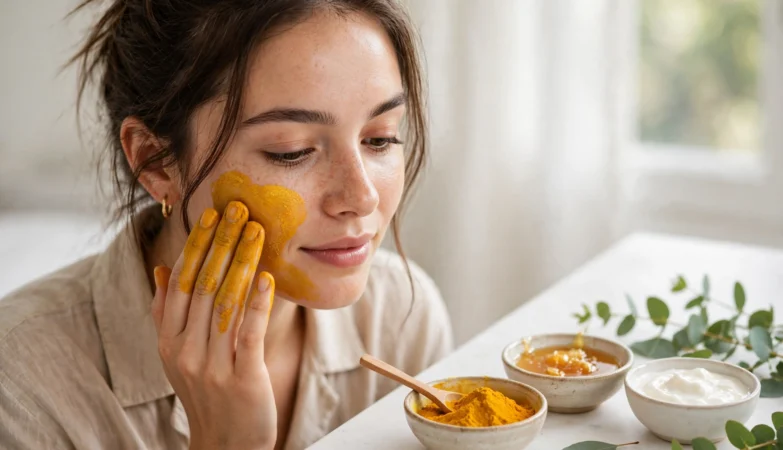
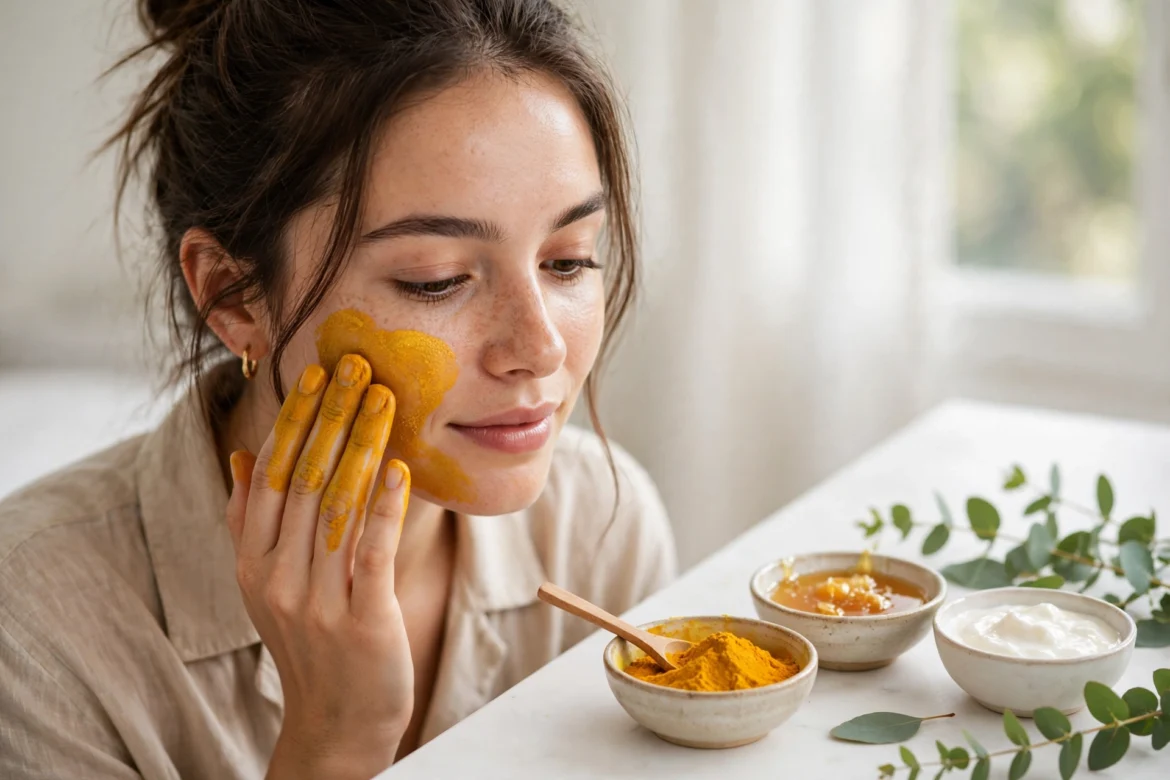
Turmeric is the oldest brightening ingredient in South Asian skincare, and modern research backs the tradition: its active compound curcumin helps block tyrosinase, the enzyme that drives melanin production. That is why turmeric for skin whitening shows up in so many homemade ubtans and face packs.
Mix half a teaspoon of turmeric powder with two tablespoons of milk and half a tablespoon of honey to form a smooth paste. Apply it evenly to your face and neck, leave it for 15 to 20 minutes, then rinse with lukewarm water. Use it two to three times a week. Turmeric can leave a faint yellow tint, especially on fair skin, so rinse well and do a patch test first.
2. Lemon and Honey Mask
Lemon is rich in vitamin C, which helps fade dark spots and even out skin tone, while honey soothes and hydrates. Used carefully, lemon for skin whitening is one of the simplest brightening masks you can make at home.
Mix one teaspoon of fresh lemon juice with one tablespoon of raw honey. Apply it to clean skin, leave it for 10 to 15 minutes, then rinse with lukewarm water. Use it two to three times a week, and only at night: lemon makes your skin more sensitive to sunlight, so always wear sunscreen the next day. Never apply undiluted lemon juice, and skip this remedy if your skin is very sensitive or broken.
3. Aloe Vera Gel Overnight
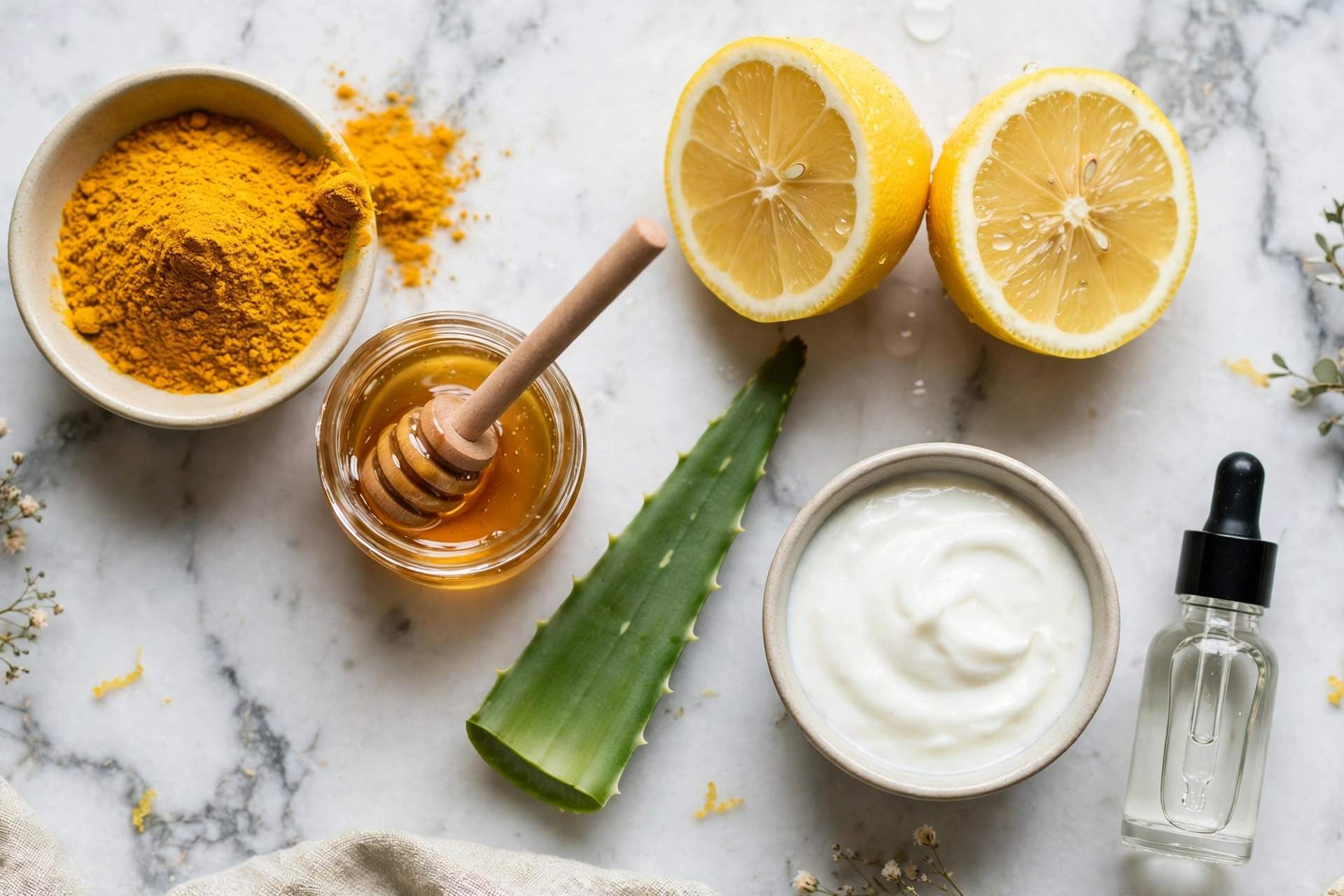
Aloe vera is gentle enough for daily use and suits almost every skin type. It contains aloesin, a compound that helps slow melanin production, while the gel itself hydrates and calms the skin. Using aloe vera for skin whitening is as simple as it gets: scoop fresh gel from a leaf, or use a pure store-bought gel with no added fragrance, and apply a thin layer to your face before bed. You can leave it on overnight and rinse in the morning. If you want to prepare the gel yourself, here is how to make fresh aloe vera gel at home so you always have a pure batch ready.
4. Yogurt and Honey Mask
Yogurt contains lactic acid, a gentle exfoliant that loosens dull, dead skin cells and reveals fresher skin underneath. Mix two tablespoons of plain yogurt with one tablespoon of honey, apply it to your face, and leave it for 20 minutes before rinsing. Use it three to four times a week. This mask is mild enough for most skin types, and it doubles as a moisturiser, which makes it a good choice if stronger remedies irritate your skin.
5. Gram Flour (Besan) Ubtan
Gram flour, or besan, has been used for centuries as a natural cleanser and brightener. Mix two tablespoons of besan with a pinch of turmeric and enough milk or rose water to make a paste. Massage it gently onto your face in small circles, leave it for 15 minutes, then rinse. The fine grains exfoliate lightly while the milk softens the skin. A splash of rose water in the mix adds a soothing, toning touch. Use this ubtan once or twice a week.
6. Vitamin C Serum in the Morning
If you want one skincare product that genuinely brightens skin, make it a vitamin C serum. Vitamin C is an antioxidant that blocks excess melanin and protects your skin from pollution and UV damage at the same time. Apply a few drops to clean skin every morning, before your moisturiser and sunscreen. Look for a stable formula with 10 to 20 percent vitamin C, and store the bottle away from sunlight so it stays effective. Pairing vitamin C with sunscreen is the combination dermatologists recommend most for brighter skin.
7. Niacinamide Serum
Niacinamide, also known as vitamin B3, works differently from vitamin C: instead of stopping melanin production, it stops pigment from reaching the surface of your skin. The result is a more even tone with fewer dark patches. A serum with 5 to 10 percent niacinamide is gentle enough for daily use, morning or night, and it also strengthens your skin barrier and calms redness. It layers well with vitamin C and is one of the safest brightening ingredients for sensitive skin.
8. Gentle Exfoliation with Rice Flour
Dull skin is often just a layer of dead cells sitting on the surface. A gentle scrub once a week helps light reflect evenly and lets your other remedies work better. Mix one tablespoon of rice flour with enough milk to form a paste, massage it very lightly over your face for a minute, then rinse. Do not scrub hard or do this more than once or twice a week: over-exfoliating damages your skin barrier and can cause more pigmentation, which is the opposite of what you want.
9. Daily Sunscreen: The Step That Protects Everything
This is the most important method on the list, and the one people skip most. Without sunscreen, every other remedy is wasted, because UV rays trigger new pigmentation faster than any home treatment can fade it. Even on cloudy days, up to 80 percent of UV rays reach your skin. Apply a broad-spectrum sunscreen of SPF 30 or higher every morning as the last step of your routine, and reapply every two hours when you are outdoors. If you take away only one habit from this article, make it this one.
What to Avoid
Not every whitening product is safe. Avoid unregulated creams that promise overnight fairness: they can contain mercury or strong steroids, and health authorities have warned about their risks. Avoid hydroquinone for long-term use without a doctor’s guidance, as it can cause permanent darkening in some skin types. Never mix several strong acids at once, and always patch test a new remedy on your inner arm for 24 to 48 hours before putting it on your face. If a product burns, stings badly or leaves your skin red for hours, wash it off and stop using it.
How Long Before You See Results?
Most people notice a fresher, more even look within four to six weeks of steady use, with clearer brightening by eight to twelve weeks. The exact timeline depends on your skin type, how much sun damage you have, and how consistent you are. Remember that learning how to whiten skin naturally is a routine, not a one-time treatment, and the gentlest skin whitening home remedies are the ones you can keep using for months without irritation. Dark spots around the eyes need extra care, so read our guide on how to remove dark circles at home if that area bothers you too.
Conclusion
Brighter, healthier-looking skin does not need a big budget or risky chemicals. Whether you start with turmeric for skin whitening, try lemon for skin whitening at night, or use aloe vera for skin whitening every day, the formula is the same: gentle ingredients, used consistently, protected by daily sunscreen. That is the honest, practical answer to how to whiten skin naturally. Pick two or three methods from this list, give them at least a month, and let your skin show you the results.