High blood pressure rarely announces itself. Most people feel perfectly fine, yet their readings quietly sit above the healthy range for years. The good news is that learning how to lower blood pressure naturally does not require a complete life overhaul. A few steady, everyday changes — in what you eat, how much you move, how you sleep, and how you handle stress — can bring your numbers down in a real, lasting way.
The question “how do i lower my blood pressure” comes up a lot, and the honest answer is that small daily habits add up. This guide covers the natural ways to lower blood pressure that doctors most often recommend, explains what your readings actually mean, and shows you how to build habits you can keep. It is general health information, not medical advice: if your readings are very high, or you already take blood pressure medicine, talk to your doctor before changing anything.
What Your Blood Pressure Numbers Mean
Blood pressure is written as two numbers, such as 120/80. The top number (systolic) is the pressure when your heart beats; the bottom number (diastolic) is the pressure when your heart rests between beats.
According to the American Heart Association, the categories for adults are:
- Normal: below 120/80
- Elevated: 120–129 and below 80
- Stage 1 high blood pressure: 130–139 or 80–89
- Stage 2 high blood pressure: 140 or higher, or 90 or higher
High blood pressure is usually diagnosed when several separate readings stay above 130/80. Because it often has no symptoms, the only way to know your numbers is to check them — at a clinic, a pharmacy, or with a home monitor.
1. Cut Back on Salt, Gently
Salt is one of the biggest drivers of high blood pressure, and it hides in places you would not expect: bread, sauces, processed meats, canned soups, and restaurant meals. The American Heart Association recommends no more than 2,300 mg of sodium a day, and moving toward 1,500 mg a day if you can. For scale, one teaspoon of salt contains about 2,300 mg of sodium.
You do not need to cut it all out at once. Start by cooking at home more often, tasting food before adding salt, and checking labels for sodium. Within a few weeks, your taste buds adjust, and food that once seemed bland starts to taste normal again.
2. Eat the DASH Way
The DASH eating plan — Dietary Approaches to Stop Hypertension — is one of the most studied diets for blood pressure. It is rich in vegetables, fruits, whole grains, beans, nuts, and low-fat dairy, and low in saturated fat, added sugar, and salt. Foods that help lower blood pressure are rich in potassium, magnesium, and calcium — bananas, leafy greens, beans, and yoghurt are good examples.
You do not need to follow DASH perfectly. Adding one extra serving of vegetables to lunch and swapping one processed snack for fruit or nuts is a realistic start, and it is one of the most effective natural ways to lower blood pressure over time. Drinking enough water through the day matters too — see the benefits of drinking warm water in the morning for one easy habit to start with.
3. Move Every Day
Regular movement strengthens the heart so it pumps blood with less effort, which lowers the pressure on artery walls. Brisk walking is enough to start — about 30 minutes a day, five days a week, is the usual target, and even shorter walks help if you are starting from zero.
If 30 minutes feels like a lot, split it into three 10-minute walks. Gardening, cycling, swimming, and dancing all count. The best exercise is the one you will actually do tomorrow, too.
4. Keep a Healthy Weight
If you are wondering how to bring down blood pressure, losing even a few kilos is one of the simplest places to start. Even a small amount of weight loss can lower blood pressure noticeably, and it makes the other steps — eating well and moving more — work even better. Focus on steady, gradual change rather than crash diets, which rarely last.
5. Limit Alcohol and Quit Smoking
Alcohol raises blood pressure, and the effect grows with the amount you drink. Cutting back — or skipping it altogether — is one of the fastest ways to see a change. Smoking, meanwhile, raises blood pressure temporarily with every cigarette and damages artery walls over time, so quitting helps your readings and your heart in the long run.
6. Sleep Well and Manage Stress
Poor sleep and constant stress both push blood pressure up. Aim for seven to eight hours of sleep a night, and keep a regular sleep schedule. For stress, simple daily habits help: slow breathing, a short walk outside, time away from screens, or a few quiet minutes in the morning. Stress does not cause high blood pressure on its own, but the way we cope with it — overeating, drinking, skipping sleep — often does.
7. Check Your Blood Pressure at Home
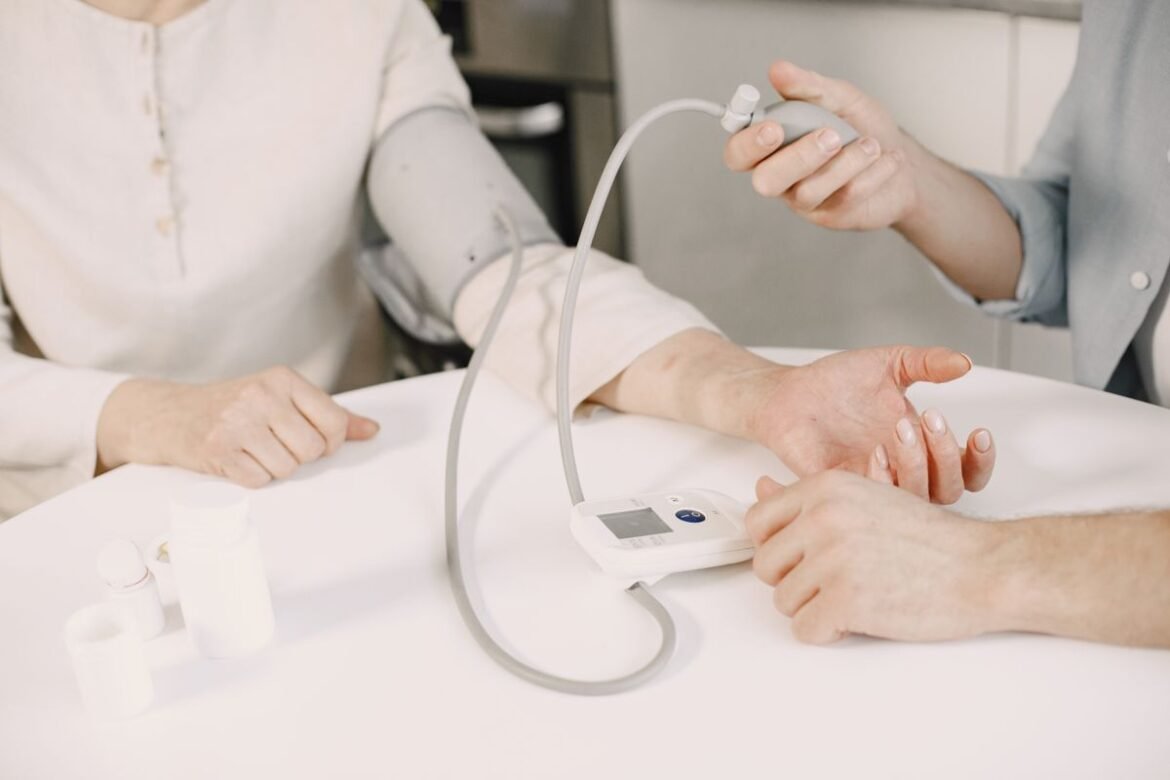
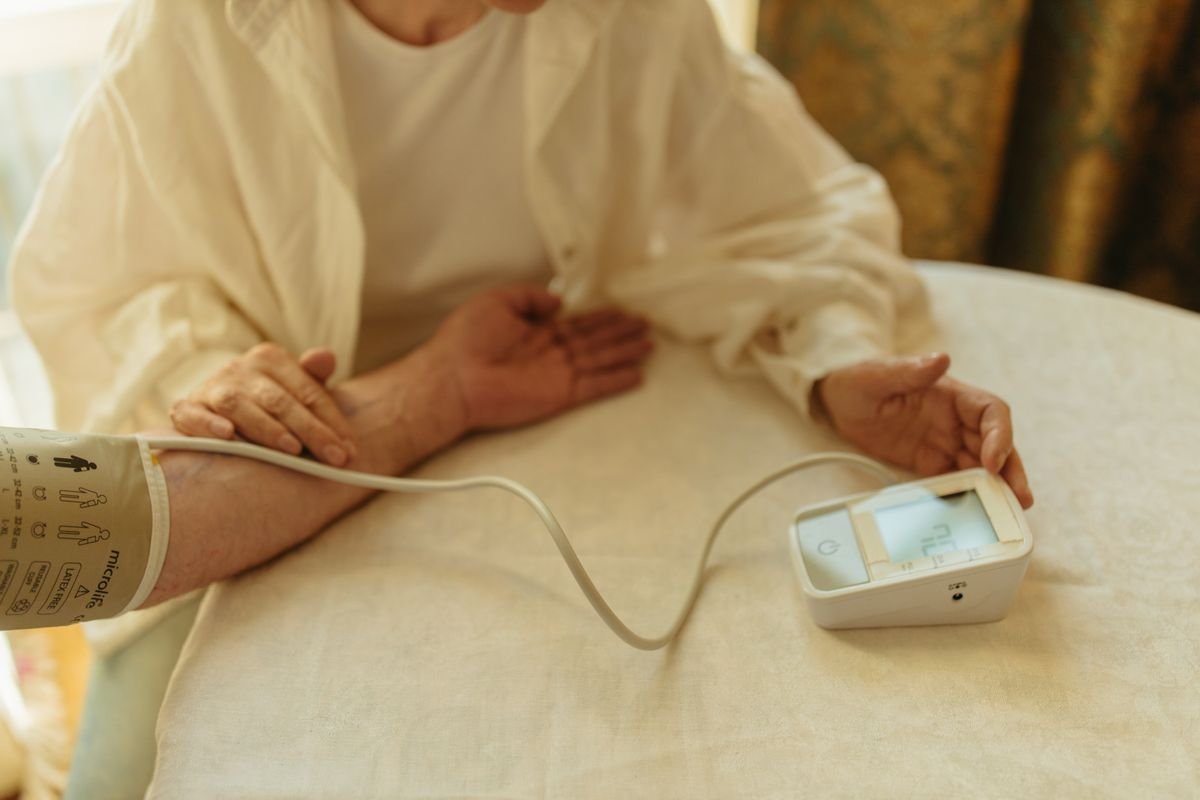
A home monitor turns an invisible number into something you can track. Measure at the same time each day, sitting down, feet flat on the floor, arm supported, after resting for five minutes. Take two readings a minute apart and note the average. Bring the log to your doctor — it gives a far better picture than a single clinic reading.
When to See a Doctor
Natural steps work well for many people, but they are not a replacement for medical care. See a doctor promptly if your readings are often 140/90 or higher, if you have symptoms such as severe headache, chest pain, or trouble breathing, or if a reading goes above 180/120. Never stop prescribed blood pressure medicine on your own — natural changes work best alongside your doctor’s plan, not instead of it.
The Bottom Line
Learning how to lower blood pressure naturally comes down to small habits done consistently: less salt, more whole foods, daily movement, good sleep, and regular checks. None of them is dramatic on its own, but together they add up. Start with one change this week — a walk after dinner, or one less salty snack a day — and build from there. Your heart will notice, even if you cannot feel it yet.