
Introduction to Canyon Valleys
What Is a Canyon Valley?
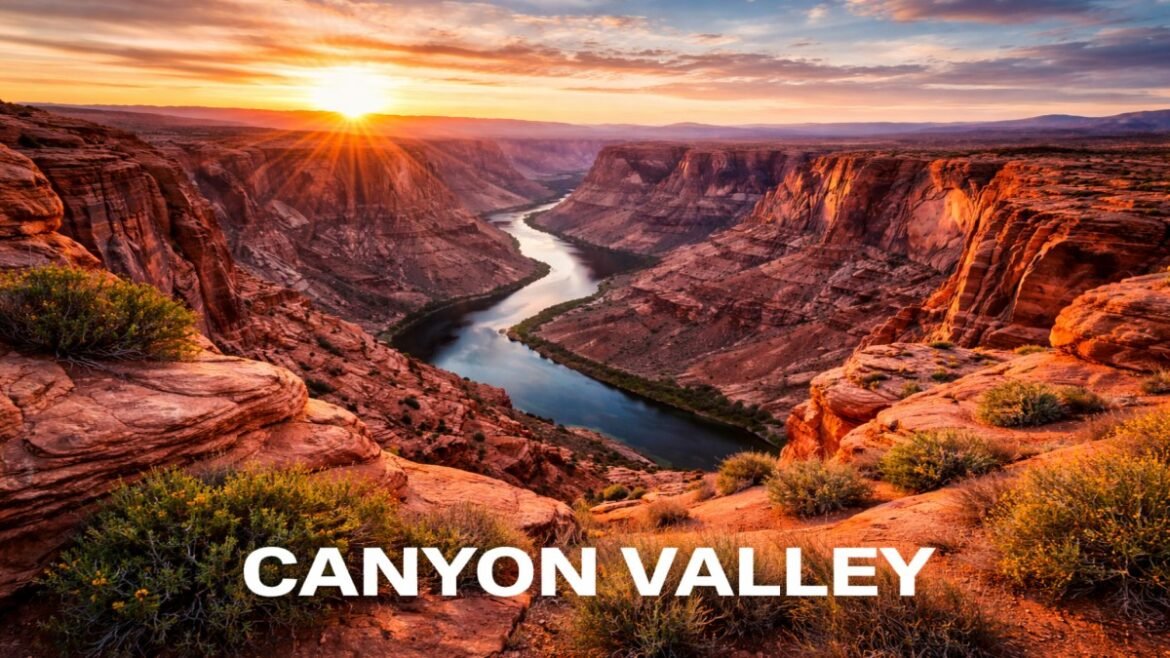
A canyon valley is a deep, narrow valley with steep sides, often carved by a river flowing through solid rock over millions of years. Imagine the Earth slowly being sculpted by water, wind, and time—like a patient artist chiseling away at stone. That’s a canyon valley.
Why Canyon Valleys Fascinate Humans
There’s something humbling about standing at the edge of a canyon valley. The sheer scale, the silence, the layers of rock telling ancient stories—it makes everyday worries feel very small. Canyon valleys remind us how powerful nature really is.
How Canyon Valleys Are Formed
The Role of Water Erosion
Water is the star of the show. Rivers cut through rock bit by bit, carrying sediment away and deepening the valley over time. It’s slow, steady, and unstoppable.
Wind, Ice, and Geological Forces
Wind erosion smooths surfaces, while ice expands in cracks, breaking rock apart. Tectonic activity can lift land upward, giving rivers more power to carve deeper.
Millions of Years in the Making
Most canyon valleys take millions—sometimes tens of millions—of years to form. They’re living proof that patience pays off.
Types of Canyon Valleys
River Carved Canyons
These are the classics. A river runs through the center, shaping the canyon as it flows. The Grand Canyon is the most famous example.
Slot Canyons
Narrow, winding, and dramatic, slot canyons look like nature’s hallways. They’re often formed by flash floods cutting through soft rock.
Box and Gorge Canyons
Box canyons have steep walls on three sides, while gorges are deep, narrow valleys often found in mountainous regions.
Famous Canyon Valleys Around the World
The Grand Canyon
Located in the USA, this iconic canyon valley stretches over 277 miles. Its layered red rock formations are like pages in Earth’s history book.
Antelope Canyon
Known for its flowing shapes and light beams, this slot canyon in Arizona is a photographer’s dream.
Colca Canyon
Twice as deep as the Grand Canyon, Colca Canyon in Peru is home to ancient villages and soaring condors.
Lesser-Known Hidden Canyon Valleys
From Fish River Canyon in Namibia to Tara River Canyon in Montenegro, the world is full of stunning canyon valleys waiting to be explored.
Geological Features of Canyon Valleys
Rock Layers and Sedimentation
Each visible layer represents a different geological era. Colors change as mineral content shifts over time.
Cliffs, Plateaus, and Ravines
Steep cliffs frame canyon valleys, while plateaus sit above like natural balconies.
Color Patterns and Textures
Iron creates reds, limestone adds whites, and copper brings greens and blues. Canyon walls are natural paintings.
Canyon Valley Ecosystems
Plant Life in Harsh Conditions
Plants here are tough. Think deep roots, waxy leaves, and drought resistance.
Wildlife Adaptations
Animals adapt with camouflage, nocturnal habits, and efficient water use.
Microclimates Within Canyons
Temperatures can vary dramatically between the canyon floor and rim, creating unique habitats.
Canyon Valleys and Climate
How Weather Shapes Canyons
Rainfall, temperature swings, and storms all play a role in shaping canyon landscapes.
Flash Floods and Seasonal Changes
Flash floods can dramatically reshape canyon valleys in a matter of hours—nature’s reminder of raw power.
Cultural and Historical Importance
Indigenous Connections
Many canyon valleys are sacred to Indigenous peoples, serving as spiritual centers and ancestral homes.
Ancient Settlements and Art
Cliff dwellings, petroglyphs, and ruins reveal centuries of human history.
Spiritual and Symbolic Meanings
Canyons often symbolize journeys, transformation, and the passage of time.
Adventure Activities in Canyon Valleys
Hiking and Trekking
Trails range from gentle walks to challenging multi-day treks.
Rock Climbing
Vertical walls attract climbers seeking both challenge and breathtaking views.
Canyoneering
This thrilling activity combines hiking, climbing, and sometimes swimming.
Photography and Sightseeing
Golden hours turn canyon valleys into glowing masterpieces.
Canyon Valleys as Tourist Destinations
Economic Impact
Tourism supports local communities through jobs and infrastructure.
Sustainable Tourism Practices
Responsible travel ensures canyon valleys remain preserved for future generations.
Conclusion
The Timeless Beauty of Canyon Valleys
Canyon valleys are more than dramatic landscapes—they’re living stories carved by time. They teach patience, resilience, and humility. Whether you visit one in person or admire it from afar, a canyon valley leaves a lasting impression that’s hard to shake and impossible to forget.
FAQs
1. What is a canyon valley?
A canyon valley is a deep valley with steep sides, typically formed by river erosion.
2. How long does it take to form a canyon valley?
Most take millions of years to develop.
3. Are canyon valleys dangerous to visit?
They can be safe with proper planning and awareness of weather conditions.
4. What animals live in canyon valleys?
Birds, reptiles, mammals, and insects adapted to rugged environments.
5. Why are canyon valleys important?
They hold geological, ecological, cultural, and scientific value.