A summer holiday, a long walk in the afternoon sun, or just a few weeks of commuting without sunscreen — and suddenly your face looks two shades darker than the rest of you. If you are wondering how to remove tan from face without expensive salon treatments, the good news is that simple kitchen ingredients can help a lot. This guide covers how to remove tan from face naturally with nine tan removal home remedies that are gentle, affordable, and easy to try at home.
Before we start, set the right expectation. A tan is your skin producing extra melanin, the pigment that darkens skin, to protect itself from ultraviolet (UV) rays. Home remedies fade it gradually as the tanned skin cells are replaced — most people see a visible difference after two to four weeks of regular use. No home remedy removes a deep tan overnight, and anyone who promises that is overselling it.
Before You Try Any Tan Removal Remedy
Do a patch test first. Dab a little of the mixture on your inner wrist or behind your ear and wait 24 hours. If there is no redness or itching, it is safe to use on your face. This matters most with lemon, which can sting sensitive skin, and with turmeric, which can leave a yellow tint if you use too much. Always wash the pack off with lukewarm water, and never step out into strong sun right after applying lemon juice — it can make skin more sensitive to sunlight.
1. Lemon and Honey Pack
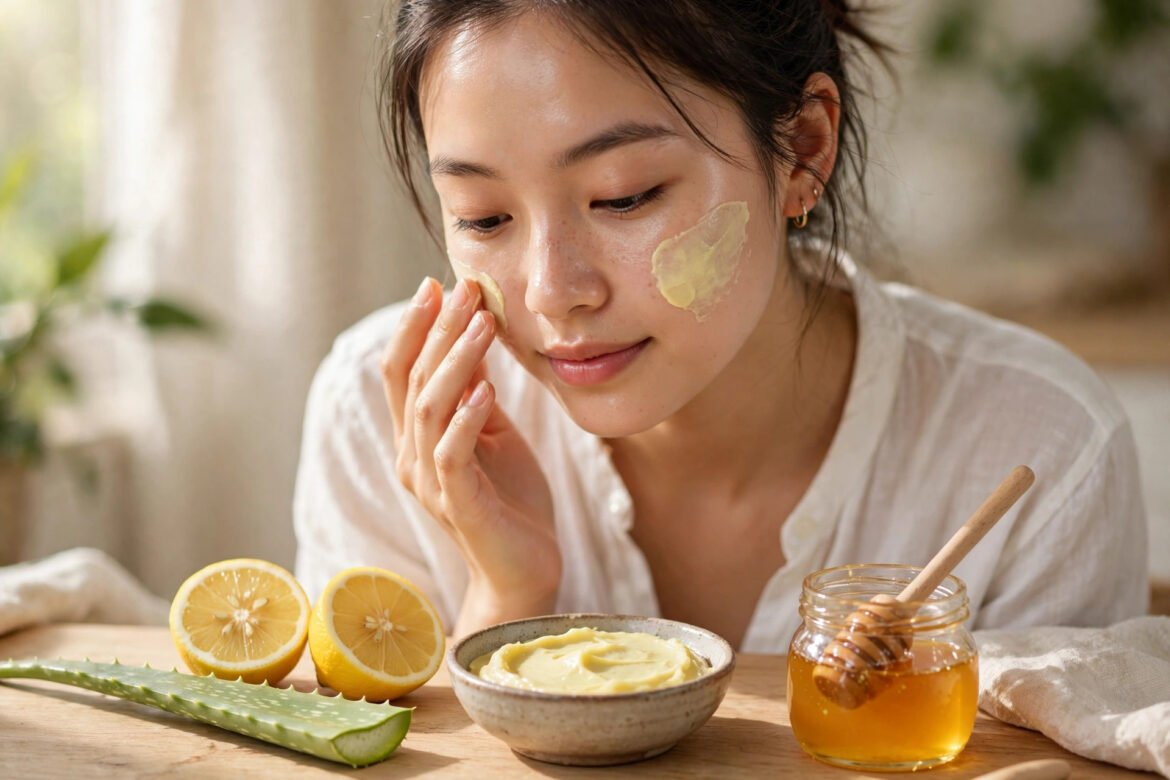
Lemon juice is rich in vitamin C and citric acid, which act as gentle natural lightening agents, while honey keeps the skin moisturised. Mix one teaspoon of fresh lemon juice with one teaspoon of honey, apply it to the tanned areas, and leave it on for 10 to 15 minutes before rinsing with cool water. Use it two or three times a week. If your skin is sensitive, dilute the lemon juice with an equal amount of water first.
2. Aloe Vera Gel, Left Overnight
Aloe vera is the gentlest of all tan removal home remedies. It contains aloin, a compound with mild depigmenting properties, and it cools and soothes skin that has been out in the sun. Apply a thin layer of pure aloe vera gel to your face before bed and leave it on overnight, then wash it off in the morning. Used daily, it fades a tan slowly and safely, and it suits every skin type. You can also mix aloe gel with a few drops of lemon juice for a faster result — but only if your skin tolerates lemon well.
3. Tomato Pulp Rub
Tomato is slightly acidic and full of antioxidants that may help lighten pigmentation. Cut a ripe tomato in half and rub the juicy side gently over your face for five minutes, or apply fresh tomato pulp and leave it on for 15 to 20 minutes before rinsing. It works well as a quick daily step, and it is one of the easiest ways to learn how to remove tan from face at home with something already in your kitchen.
4. Potato Juice
Potatoes are rich in vitamin C and contain catecholase, an enzyme that is known to help lighten skin and reduce pigmentation. Grate a raw potato, squeeze out the juice, and apply it to the tanned areas with a cotton pad. Leave it on for 20 minutes and rinse with lukewarm water. Repeat daily for the best result — potato juice is mild enough to use every day, even on sensitive skin.
5. Turmeric and Gram Flour Face Pack
This classic tan removal face pack has been used for generations. Mix two tablespoons of gram flour (besan) with a pinch of turmeric and enough curd or milk to make a smooth paste. Apply it evenly, let it dry for 15 to 20 minutes, then rinse off while massaging gently in circles so the gram flour also exfoliates. Use it twice a week. The pack brightens dull, tanned skin and leaves it feeling soft — just keep the turmeric to a pinch so it does not stain.
6. Cucumber and Rose Water
Cucumber cools and hydrates, and rose water tones and refreshes the skin. Blend half a cucumber into a pulp, mix in a tablespoon of rose water, and apply the mixture to your face for 20 minutes. This is a good option if your skin feels hot or irritated after sun exposure, and it pairs well with a regular rose water routine — you can read more about the benefits of rose water for skin and hair in our rose water benefits guide. Use it daily if you like; it is very gentle.
7. Curd and Honey Mask
Curd contains lactic acid, a mild natural exfoliant that helps remove the dull, tanned layer of dead skin cells, while honey adds moisture. Mix two tablespoons of plain curd with one teaspoon of honey, apply it to your face, and rinse after 20 minutes. Use it three times a week. It is especially good for dry skin, which can look patchy after tanning.
8. Oatmeal and Milk Scrub
Gentle exfoliation speeds up tan removal because much of the tan sits in the top layer of dead skin. Mix two tablespoons of ground oatmeal with enough milk to make a paste, massage it over your face in small circles for two to three minutes, then rinse. Exfoliate only once or twice a week — scrubbing every day can damage the skin barrier and make things worse.
9. Papaya Pulp
Ripe papaya contains papain, an enzyme that gently dissolves dead skin cells. Mash a few pieces of ripe papaya, apply the pulp to your face for 15 to 20 minutes, and rinse. It is one of the mildest ways to learn how to remove tan from face naturally, and it works well for people who find lemon too harsh.
How to Remove Tan from Hands and Neck Too
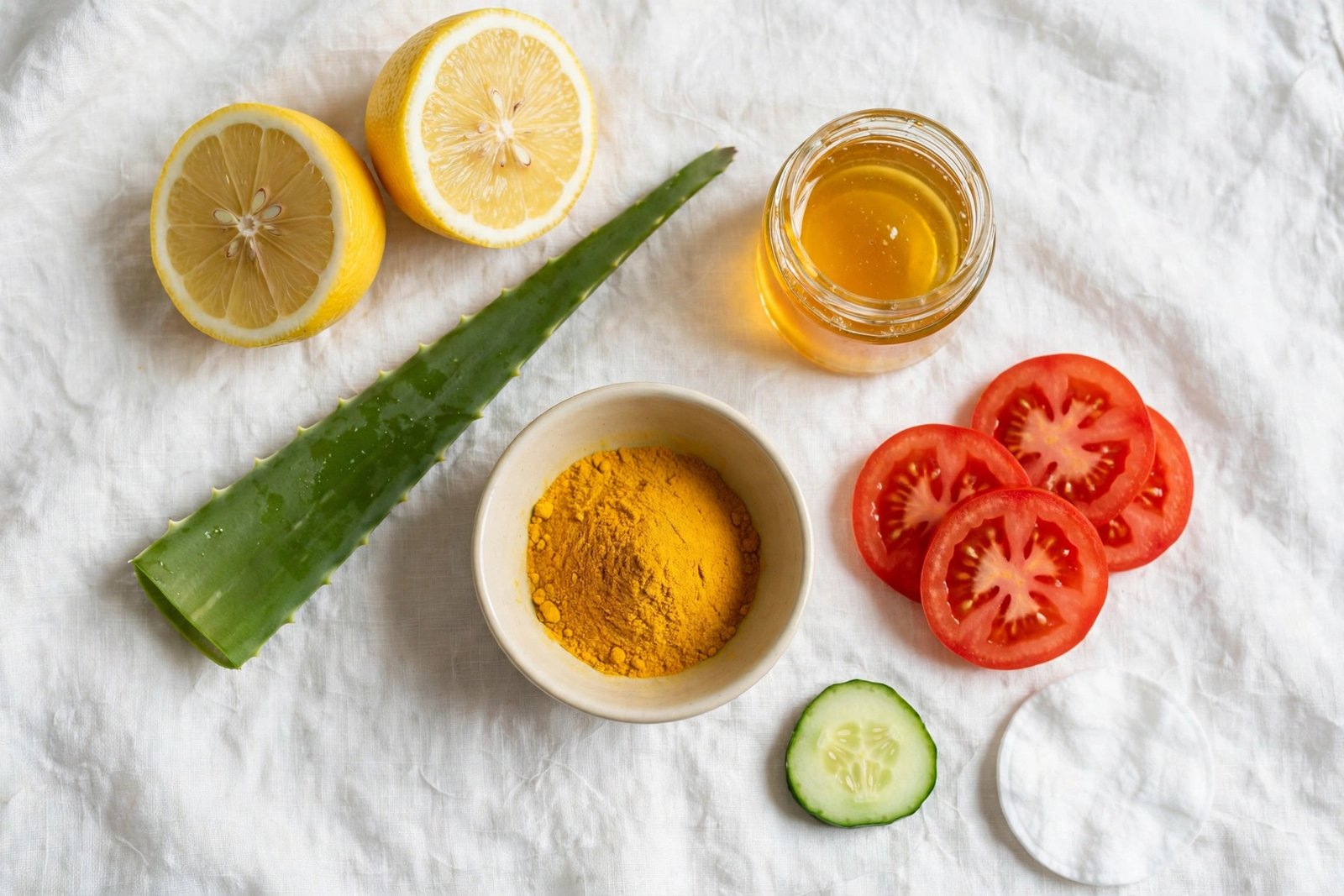
The face is not the only place a tan shows up. The same remedies work elsewhere, with small adjustments. For hands, soak them in a bowl of curd and lemon for ten minutes, or rub a tomato half over the backs of your hands — this is a simple way to handle how to remove tan from hands without buying anything new. For the neck, use the aloe vera overnight method or the gram flour pack, and be gentle: neck skin is thinner than facial skin. Whatever remedy you choose, apply it to the hands and neck as well, so your skin tone stays even.
How to Stop the Tan Coming Back
Removing a tan is only half the job — the other half is stopping the next one. Wear a broad-spectrum sunscreen of SPF 30 or higher every day, apply it at least 20 minutes before going out, and reapply every two hours if you are outside, sweating, or swimming. A wide-brimmed hat, sunglasses, and staying in the shade between 11am and 3pm, when the sun is strongest, make a big difference. And keep drinking enough water: hydrated skin recovers from sun exposure faster.
When to See a Dermatologist
Home remedies work well for a normal sun tan, but see a dermatologist if the tan does not fade after a month of regular care, if you have dark patches that look uneven or new, or if the tanned skin is painful, blistered, or peeling badly. A dermatologist can offer treatments such as chemical peels, microdermabrasion, or medicated creams for stubborn pigmentation — these are stronger options that should only be used under professional guidance.
Final Thoughts
Learning how to remove tan from face at home is mostly about patience and consistency. Pick two or three of these tan removal home remedies that suit your skin, use them regularly for a few weeks, and protect your skin from the sun in the meantime. The tan will fade — and with daily sunscreen, it is far less likely to come back.