Introduction
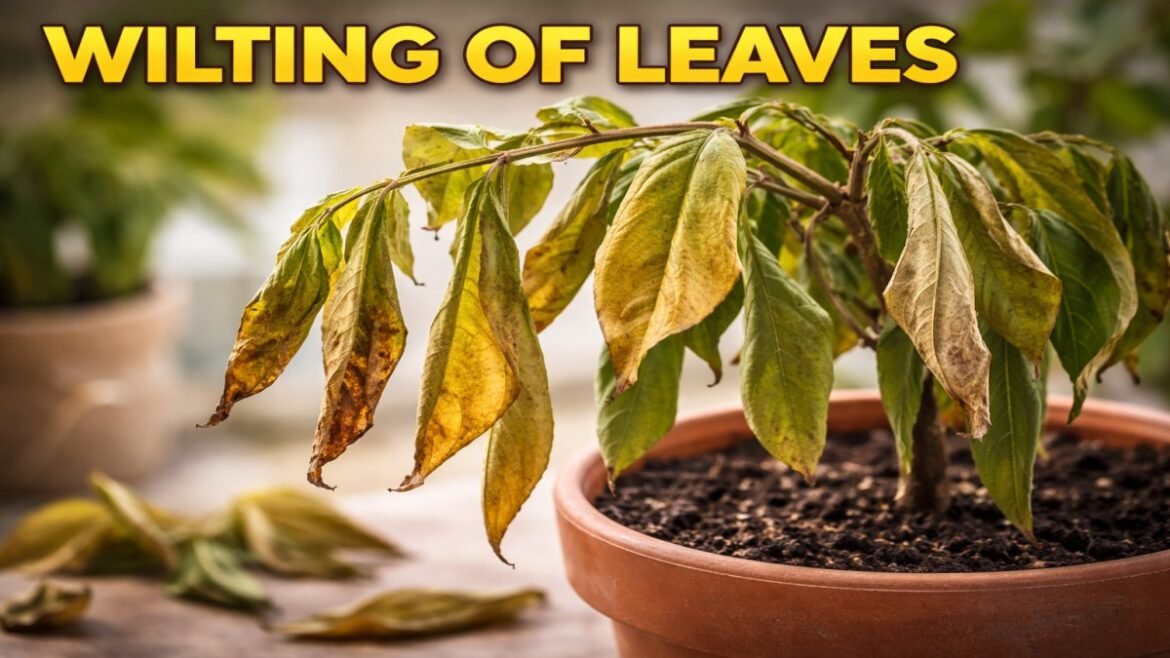
Have you ever noticed your plant’s leaves drooping, curling, or turning yellow? That’s wilting of leaves, a clear sign your plant is under stress. While wilting may seem minor at first, it can be a serious signal that your plant’s health is at risk. Understanding why leaves wilt and how to prevent it can make the difference between thriving greenery and a dying plant.
Leaves are the lifeline of a plant—they absorb sunlight, perform photosynthesis, and produce energy. When leaves start wilting, it affects the plant’s ability to survive, grow, and bloom.
Causes of Leaf Wilting
Leaf wilting can result from various causes, including water stress, environmental factors, diseases, pests, nutrient deficiencies, and chemical damage.
Water-Related Causes
Drought and Underwatering
When plants do not get enough water, their leaves lose turgor pressure—the internal pressure that keeps leaves firm. This causes drooping and curling.
Overwatering and Root Rot
Too much water can suffocate roots, causing them to rot. Damaged roots cannot absorb water effectively, leading to wilting.
Environmental Causes
Excessive Heat or Sunlight
High temperatures and intense sunlight increase transpiration, causing leaves to lose water faster than the roots can absorb.
Cold Stress
Frost or sudden temperature drops can damage leaf cells, resulting in wilting and discoloration.
Disease-Related Causes
Fungal Infections
Fungi like Fusarium or Verticillium can infect roots and vascular systems, preventing water from reaching leaves.
Bacterial Infections
Bacterial wilt, caused by organisms like Ralstonia solanacearum, blocks the plant’s vascular system, leading to sudden wilting.
Pest Infestations
Common Leaf-Eating Pests
Caterpillars, beetles, and grasshoppers chew through leaves, weakening plants and causing stress-related wilting.
Sap-Sucking Insects
Aphids, whiteflies, and scale insects drain essential sap, which can lead to leaf drooping.
Nutrient Deficiency
Lack of Nitrogen, Potassium, or Magnesium
Essential nutrients maintain leaf structure and water balance. Deficiencies can make leaves limp and discolored.
Chemical Damage
Herbicides and Pollution Effects
Exposure to chemicals, herbicides, or polluted air can damage leaves, causing wilting and necrosis.
Symptoms of Wilting Leaves
Physical Appearance
Leaf Curling
Leaves may curl inward or downward as a defense mechanism to reduce water loss.
Yellowing or Browning
Chlorosis (yellowing) or necrosis (browning) is common in wilting leaves, signaling stress or disease.
Limp or Droopy Leaves
Leaves lose their firmness and droop visibly—a clear sign of wilting.
Changes in Plant Growth
Wilting affects overall plant growth, leading to stunted stems, poor flowering, and low fruit production.
Root or Stem Abnormalities
In some cases, the roots may rot, or stems may become weak, reducing water and nutrient transport.
Diagnosing the Problem
Observing Soil Moisture
Check soil moisture levels. Dry soil indicates underwatering, while soggy soil may suggest overwatering or poor drainage.
Checking for Pests or Diseases
Inspect leaves and stems for insects, fungal growth, or bacterial ooze.
Evaluating Environmental Factors
Consider temperature, sunlight, and wind. Seasonal changes can significantly impact leaf health.
Seasonal Considerations
Plants may naturally wilt during extreme heat or winter dormancy—context matters.
Prevention Strategies
Proper Watering Techniques
Water deeply and consistently. Avoid shallow watering that encourages weak roots.
Soil Preparation and Fertilization
Well-draining soil and balanced fertilization help roots absorb nutrients and water effectively.
Choosing Resistant Plant Varieties
Some plant varieties are naturally more resilient to heat, drought, and pests.
Pest and Disease Management
Use insecticidal soaps, neem oil, or fungicides when necessary.
Mulching and Shade Techniques
Mulch retains soil moisture, and shade nets reduce heat stress on sensitive plants.
Treatment of Wilting Leaves
Immediate Actions
Watering and Hydration
Provide water immediately if drought is the cause. Avoid overwatering damaged roots.
Pruning Damaged Leaves
Remove dead or severely wilted leaves to redirect energy to healthy growth.
Long-Term Solutions
Soil Amendments
Add organic matter to improve soil structure and drainage.
Using Fungicides or Pesticides
Treat underlying infections or infestations appropriately.
Conclusion
Wilting of leaves is a sign that plants are under stress. By identifying the cause—whether water, environmental, pests, disease, or nutrients—gardeners can take corrective action. Prevention, timely intervention, and modern technology can keep plants healthy and thriving, ensuring lush green leaves and vibrant growth.
Frequently Asked Questions (FAQs)
1. Why are my plant leaves wilting even though I water them regularly?
Overwatering or root rot may prevent the plant from absorbing water properly.
2. Can too much sunlight cause leaf wilting?
Yes, excessive heat or direct sunlight can increase water loss, leading to wilting.
3. How can I treat wilting caused by pests?
Identify the pest type and use appropriate insecticides or natural remedies like neem oil.
4. Do all plants wilt in the same way?
No, trees, shrubs, and herbs have different leaf structures and responses to stress.
5. How can I prevent wilting in potted indoor plants?
Use well-draining soil, avoid overwatering, provide proper light, and monitor humidity levels.