
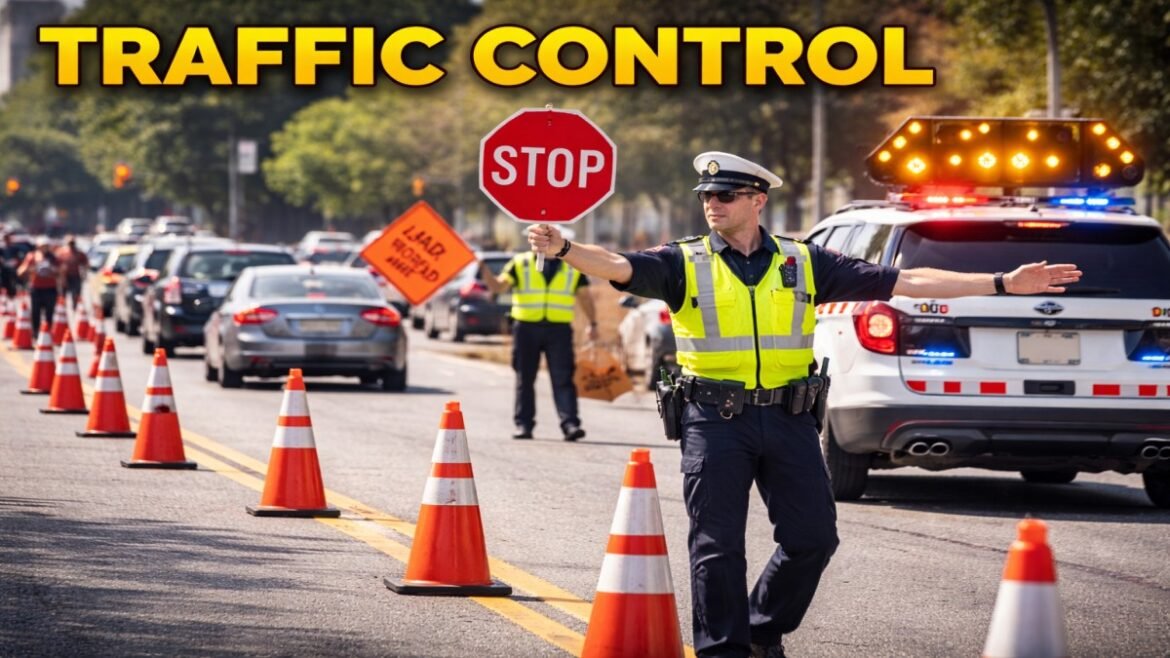
Introduction to Traffic Control
Ever been stuck in a traffic jam and wondered who’s actually in charge of this chaos? That’s where traffic control steps in. Traffic control is the backbone of safe and efficient road transportation. Without it, roads would be pure mayhem—like a football match with no referee.
Traffic control isn’t just about red lights and stop signs. It’s a carefully planned system designed to keep people moving safely and smoothly, whether on highways, city streets, or construction zones.
What Is Traffic Control?
Traffic control refers to the methods, devices, and personnel used to regulate, warn, guide, and control the movement of vehicles and pedestrians on roads. It ensures order, safety, and efficiency in transportation systems.
Why Traffic Control Is Essential in Modern Society
With millions of vehicles on the road every day, traffic control prevents accidents, reduces congestion, and saves lives. It’s not optional—it’s a necessity.
History and Evolution of Traffic Control
Early Methods of Traffic Management
In the early days, traffic control was as simple as hand signals and human direction. Policemen stood at intersections, waving vehicles through like orchestra conductors.
Introduction of Traffic Signals
The invention of traffic lights revolutionized road safety. The red-yellow-green system brought consistency and clarity to road users.
Digital Transformation in Traffic Control
Today, traffic control has gone digital. Cameras, sensors, and software now monitor and manage traffic in real time.
Objectives of Traffic Control
Road Safety
The primary goal of traffic control is to prevent accidents and protect lives—drivers, pedestrians, and cyclists alike.
Smooth Traffic Flow
Efficient traffic control minimizes delays and keeps vehicles moving steadily, even during peak hours.
Accident Prevention and Risk Reduction
Clear signage, proper signals, and enforcement reduce confusion and risky behavior on the road.
Types of Traffic Control
Manual Traffic Control
This involves traffic police or trained personnel directing traffic using hand signals, flags, or stop signs—especially during emergencies or signal failures.
Automatic Traffic Control Systems
Traffic lights, sensors, and cameras automatically manage vehicle flow without human intervention.
Temporary Traffic Control
Used during road construction, accidents, or special events, temporary traffic control ensures safety in changing road conditions.
Traffic Control Devices
Traffic Signals
Traffic lights regulate intersections and pedestrian crossings, preventing collisions and confusion.
Traffic Signs
Signs provide instructions, warnings, and information—like speed limits, directions, and hazards.
Road Markings
Lane lines, pedestrian crossings, and arrows guide drivers visually and improve lane discipline.
Barricades and Cones
These devices redirect traffic and protect workers during roadworks or emergencies.
Role of Traffic Police and Authorities
Responsibilities of Traffic Controllers
Traffic authorities enforce laws, manage congestion, and respond to emergencies.
Training and Skills Required
Traffic controllers need sharp observation, quick decision-making, and strong communication skills.
Public Interaction and Awareness
Educating the public about traffic rules is a key part of effective traffic control.
Traffic Control in Construction Zones
Work Zone Traffic Management
Construction zones are high-risk areas. Proper traffic control keeps workers and drivers safe.
Safety Measures for Workers and Drivers
Signs, cones, flaggers, and reduced speed limits help prevent accidents in work zones.
Smart Traffic Control Systems
AI and Sensor-Based Traffic Control
Artificial intelligence analyzes traffic patterns and adjusts signals in real time.
Adaptive Traffic Signals
These systems change signal timings based on traffic volume, reducing wait times.
Benefits of Smart Traffic Management
Less congestion, lower emissions, faster emergency response, and happier commuters.
Traffic Control and Road Safety
Reducing Congestion
Well-managed traffic control prevents bottlenecks and improves travel efficiency.
Preventing Traffic Accidents
Clear rules and enforcement reduce reckless driving and human error.
Emergency Vehicle Priority Systems
Smart traffic lights give ambulances and fire trucks green signals when every second counts.
Challenges in Traffic Control
Urban Traffic Congestion
Growing populations and vehicle numbers strain existing road infrastructure.
Human Errors and Non-Compliance
Ignoring traffic rules remains a major challenge worldwide.
Infrastructure Limitations
Outdated systems struggle to handle modern traffic volumes.
Conclusion: The Growing Importance of Effective Traffic Control
Traffic control is the silent guardian of our roads. From preventing accidents to reducing congestion, it plays a vital role in daily life. As cities grow and technology advances, smart and efficient traffic control systems will become even more essential for safer, smoother transportation.
Frequently Asked Questions (FAQs)
1. What is the main purpose of traffic control?
To ensure road safety and smooth movement of vehicles and pedestrians.
2. Who is responsible for traffic control?
Traffic police, road authorities, and automated systems manage traffic control.
3. What are temporary traffic control measures?
They are used during construction, accidents, or special events.
4. How does smart traffic control work?
It uses sensors, AI, and data to manage traffic flow in real time.
5. Why is traffic control important for road safety?
It reduces accidents, confusion, and congestion on roads.