
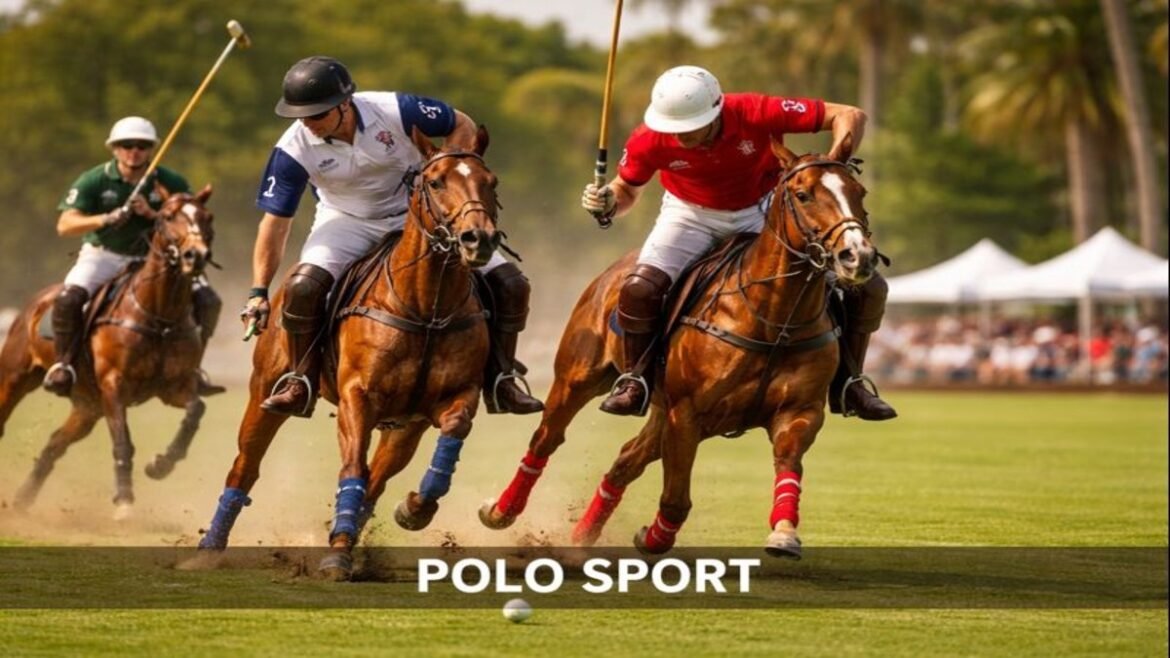
Polo is one of the oldest and most elegant sports in the world. Often called the “Sport of Kings,” polo combines athletic skill, strategy, speed, and tradition into a thrilling game played on horseback. From ancient battle training to modern international tournaments, polo has evolved into a global sport admired for its prestige and excitement.
In this in-depth guide, we’ll explore the history of polo sport, how it’s played, different types of polo, equipment used, famous tournaments, and why polo continues to captivate players and spectators worldwide.
What Is Polo Sport?
Polo is a team sport played on horseback where players use long-handled mallets to hit a small ball into the opposing team’s goal. Each team typically has four players, and the game emphasizes coordination between rider and horse, speed, and tactical teamwork.
Unlike many modern sports, polo blends athleticism with horsemanship, making it unique and challenging.
History of Polo Sport
Ancient Origins of Polo
Polo originated over 2,000 years ago in Central Asia, particularly in Persia (modern-day Iran). Initially, it was not a sport but a training exercise for cavalry units, helping soldiers improve riding skills and battlefield coordination.
Polo’s Spread Across Asia
From Persia, polo spread to India, China, Tibet, and Japan through trade routes and military campaigns. Indian royalty embraced the game, especially in the northeastern region of Manipur.
Introduction to the Western World
British soldiers stationed in India during the 19th century discovered polo and brought it back to England. The first polo club was established in 1869, and standardized rules soon followed.
Polo in the Modern Era
Today, polo is played in over 80 countries, with strong traditions in Argentina, England, the United States, and India.
Why Polo Is Called the Sport of Kings
Polo earned its royal reputation because:
- It was traditionally played by kings, nobles, and warriors
- Horses, equipment, and training are expensive
- The sport requires land, skilled horses, and elite training
Even today, polo is associated with luxury, prestige, and high society.
How Polo Is Played
Basic Rules of Polo
- Two teams of four players
- Played on a large grass field (approximately 300 yards long)
- Players hit a hard plastic or wooden ball using mallets
- Objective: score goals by hitting the ball between goalposts
Chukkers Explained
A polo match is divided into periods called chukkers, each lasting 7 minutes. Most matches have 4 to 6 chukkers, depending on competition level.
Player Positions
Each team member has a specific role:
- Number 1 – Offensive attacker
- Number 2 – Support and defense
- Number 3 – Tactical leader and playmaker
- Number 4 – Defensive specialist
Polo Handicap System
Polo uses a handicap system to rate players from –2 to +10 goals. A higher handicap means a more skilled player. A 10-goal handicap is the highest level and extremely rare.
Team handicaps help balance matches by allowing fair competition.
Types of Polo Sport
Outdoor Polo
- Traditional form
- Played on grass
- Large field and full teams
- Common in international tournaments
Arena Polo
- Played in enclosed arenas
- Smaller field
- Faster pace
- More accessible for beginners
Snow Polo
- Played on snow or ice
- Popular in alpine regions
- Uses a bright-colored ball
Beach Polo
- Played on sand
- Shorter matches
- Popular for exhibitions and festivals
Elephant Polo (Historical)
- Played on elephants instead of horses
- Mostly discontinued due to animal welfare concerns
Polo Horses: The Heart of the Game
What Is a Polo Pony?
Despite the name, polo ponies are full-sized horses, usually Thoroughbred or mixed breeds. They are trained for:
- Speed and agility
- Quick turns and stops
- Calm temperament under pressure
Horse Rotation
Players use multiple horses in a match, often changing horses every chukker to prevent fatigue.
Conclusion
Polo sport is far more than a luxury pastime—it’s a historic, athletic, and strategic game that has stood the test of time. From ancient cavalry training to modern international championships, polo represents a perfect harmony between human skill and equine excellence. Whether you admire it for its heritage, excitement, or elegance, polo remains one of the most fascinating sports in the world.
FAQs About Polo Sport
1. Is polo difficult to learn?
Yes, polo has a steep learning curve because it requires both riding skills and game strategy, but beginners can start with arena polo.
2. How many horses does a polo player need?
A player usually needs 4 to 8 horses for a full outdoor match.
3. Is polo an Olympic sport?
Polo was an Olympic sport from 1900 to 1936 but is not currently included.
4. Why do players change horses during a match?
To prevent exhaustion and maintain peak performance, horses are rotated between chukkers.
5. Which country is best at polo today?
Argentina is widely considered the world leader in polo, producing many top-ranked players.