
Introduction
Ask any fruit lover about citrus delights, and you’ll soon find yourself debating between tangerine vs orange — two citrus fruits that look alike but offer surprisingly distinct experiences. These fruits have bright skin, juicy flesh, and a reputation for being healthy snack options, but they’re not identical twins in the fruit world. Whether you’re curious about flavor, nutrition, or which fruit to pick for your smoothies, this guide unpacks everything you need to know in rich detail. Emerging research continues to highlight subtle nutritional differences between them, making it worthwhile to explore their benefits closely.
What Are Tangerines and Oranges?
Though both belong to the citrus family, tangerines and oranges have distinct botanical identities and histories. Tangerines are a type of mandarin orange — a subgroup known for their smaller size and intensely sweet taste. Oranges, meanwhile, are larger citrus fruits that have been cultivated for centuries and are one of the most universally consumed fruits worldwide.
Oranges are commonly associated with breakfast tables and vitamin C supplements, while tangerines often steal the show as a convenient, easy-to-peel snack. Both fruits trace their origins to Asia, particularly southern China and Indonesia, where citrus cultivation began thousands of years ago.
Physical Appearance Differences
Size and Shape
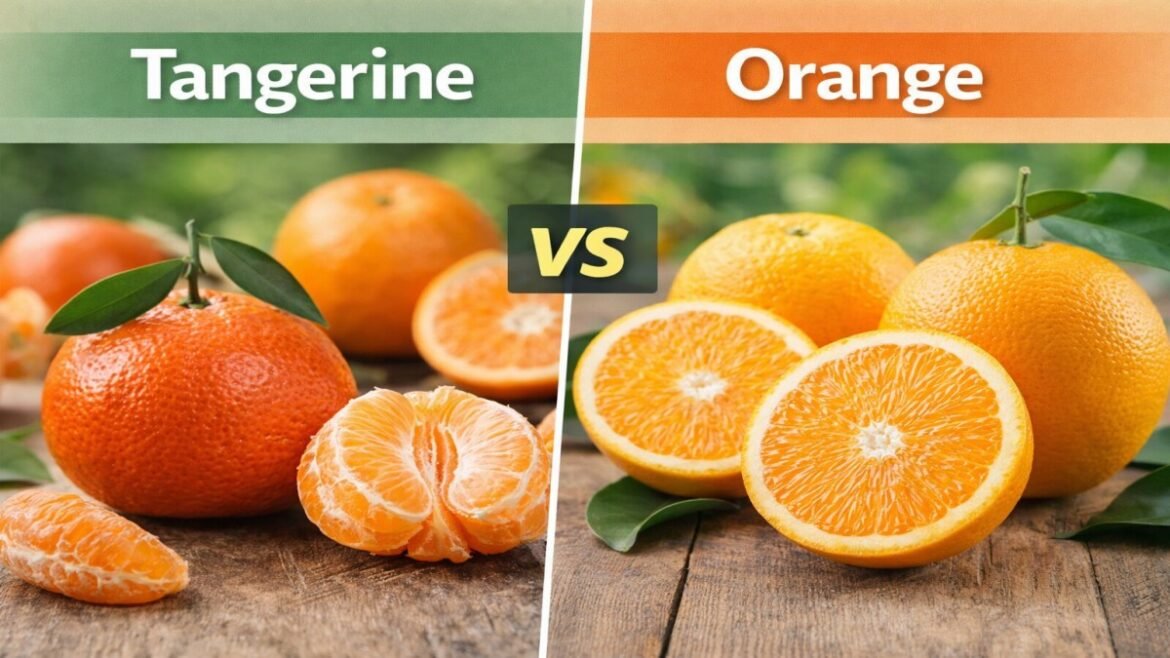
One of the easiest ways to tell tangerines and oranges apart is by their size. Tangerines are generally smaller and slightly flattened compared to the larger, rounder oranges. Because of this compact size, tangerines make excellent portable snacks — perfect for lunchboxes and on-the-go eating. Oranges, being larger, often require more effort to consume and may feel more filling per serving.
Peel and Color
Another unmistakable difference lies in the peel. Tangerines typically sport a looser skin that is easy to peel with your hands, making them a go-to choice for quick snacking without tools. Oranges, on the other hand, have a tighter and firmer skin, which can sometimes require more work to remove. Tangerines also tend to have a deeper reddish-orange hue, whereas oranges vary from light yellow-orange to rich deep orange tones depending on the variety.
Taste and Flavor Comparison
When it comes to taste, the tangerine vs orange comparison becomes even more intriguing. While both fruits share the signature sweet-tart citrus flavor, many people find tangerines to be sweeter and less acidic than most orange varieties. This sweeter profile and stronger aroma makes tangerines pop in desserts and fruit salads, especially for those who prefer a less sharp citrus flavor.
Oranges tend to balance sweetness and acidity with a classic citrus tang, making them versatile for everything from snacking to juicing. Certain varieties, like blood oranges, even add unique berry-like flavor notes that transform recipes.
Nutritional Profile — Tangerine vs Orange
Understanding the nutritional differences can help you choose the right fruit for your health goals. Below is a snapshot of how these two citrus fruits compare when measured per 100g serving:
| Nutrient | Tangerine | Orange |
|---|---|---|
| Calories | ~53 kcal | ~47 kcal |
| Carbs | ~13.3g | ~11.7g |
| Fiber | ~1.8g | ~2.4g |
| Vitamin C | ~44% DV | ~89% DV |
| Vitamin A | ~14% DV | ~4% DV |
| Potassium | ~5% DV | ~5% DV |
Both fruits are low in fat and protein, and both provide valuable nutrients such as potassium and folate. However, oranges lead in vitamin C and fiber, making them slightly better for digestive health and immune support, while tangerines offer higher vitamin A, which is essential for vision and immune function.
Conclusion
When comparing tangerine vs orange, both fruits shine in their own way. Oranges offer higher vitamin C and fiber, making them excellent for immune health and digestion, while tangerines offer superior sweetness and higher vitamin A content. The best choice depends on your taste preference and nutritional goals, but one thing is clear — both fruits are nutritious, versatile, and delicious.
5 Unique FAQs
1. Are tangerines a type of orange?
Yes — tangerines are a type of mandarin orange, a subgroup in the citrus family with a sweeter flavor and looser peel.
2. Which has more vitamin C, tangerines or oranges?
Oranges contain more than double the vitamin C of tangerines per equivalent serving.
3. Which is sweeter, tangerines or oranges?
Tangerines tend to be sweeter and less acidic than most oranges, making them a popular choice for snacking.
4. Can both fruits help with weight loss?
Yes — both are low in calories and high in fiber, which can support satiety and weight management.
5. Should I choose whole fruit or juice?
Whole fruit is generally healthier because it includes fiber, which slows sugar absorption and supports digestion.