
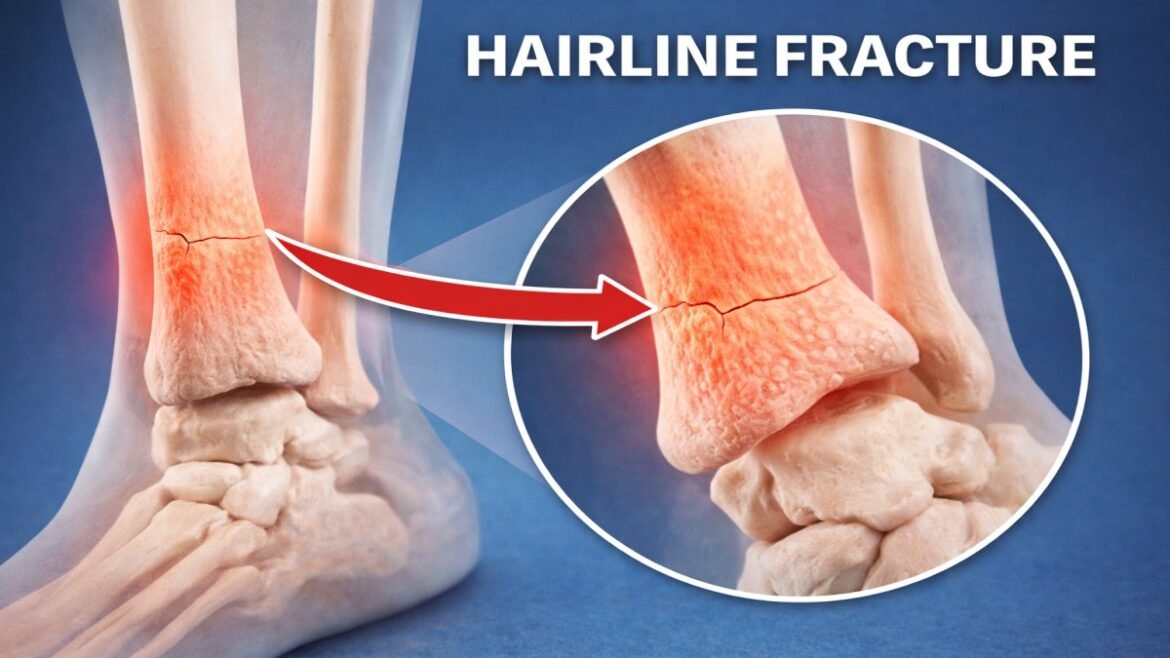
A hairline fracture can feel confusing and frustrating. One moment you’re walking, running, or lifting something normal next thing you know, there’s pain that just won’t go away. It’s not dramatic like a broken bone sticking out, but it hurts, and ignoring it can make things much worse. Let’s break everything down clearly, simply, and honestly.
What Is a Hairline Fracture?
A hairline fracture, also called a stress fracture, is a tiny crack in a bone. Unlike a full fracture where the bone breaks into pieces, a hairline fracture is subtle—almost sneaky. You may still be able to move, walk, or use the affected area, which is why many people mistake it for a sprain or muscle strain.
Think of it like a crack in a wall. The wall is still standing, but the crack signals weakness—and if pressure continues, the damage spreads.
Common Causes of Hairline Fractures
Hairline fractures usually happen due to repetitive stress rather than a single traumatic injury.
Overuse and Repetitive Motion
Athletes, runners, dancers, and people with physically demanding jobs are especially at risk. Repeating the same motion puts pressure on bones faster than they can heal.
Sudden Increase in Activity
Jumping into intense exercise without proper conditioning—like starting daily runs after months of inactivity—can overload bones.
Weak or Brittle Bones
Conditions such as osteoporosis, vitamin D deficiency, or low calcium levels weaken bones, making them more prone to cracking.
Improper Footwear or Equipment
Worn-out shoes, lack of support, or poor posture can shift stress onto bones unnaturally.
Trauma or Minor Impact
Even a mild fall or twist can cause a hairline fracture if the bone is already stressed.
Most Common Areas Affected
Hairline fractures can occur in many bones, but some areas are more vulnerable.
- Foot (metatarsal bones)
- Tibia (shinbone)
- Ankle
- Hip
- Wrist
- Ribs
- Spine
Athletes often experience them in weight-bearing bones like the feet and legs.
Symptoms of a Hairline Fracture
Symptoms may start mild and worsen over time, which is why people delay treatment.
Early Symptoms
- Mild pain during activity
- Discomfort that improves with rest
- Tenderness in one specific spot
Progressive Symptoms
- Persistent pain even at rest
- Swelling around the area
- Bruising (in some cases)
- Pain when pressure is applied
- Difficulty bearing weight
If pain increases instead of improving, that’s your body waving a red flag.
How Hairline Fractures Are Diagnosed
Diagnosing a hairline fracture can be tricky because it doesn’t always show up immediately.
Physical Examination
Doctors check for localized pain, swelling, and movement limitations.
X-Ray
Early hairline fractures may not appear on X-rays for 1–2 weeks.
MRI or Bone Scan
These imaging tests are more sensitive and can detect fractures early, especially when pain persists but X-rays look normal.
Hairline Fracture vs Sprain: Key Differences
| Feature | Hairline Fracture | Sprain |
|---|---|---|
| Pain | Localized and sharp | Diffuse and sore |
| Swelling | Mild to moderate | Often immediate |
| Weight Bearing | Painful | Possible with discomfort |
| Healing Time | Weeks to months | Days to weeks |
When in doubt, always get medical evaluation.
Treatment for Hairline Fracture
Treatment focuses on rest, protection, and gradual healing.
Rest Is Non-Negotiable
Continuing activity can turn a hairline fracture into a full break. Rest allows the bone to rebuild.
Immobilization
- Braces
- Walking boots
- Casts (in severe cases)
Pain Management
- Ice packs
- Elevation
- Over-the-counter pain relievers (avoid overuse)
Physical Therapy
Once healing begins, gentle exercises restore strength and flexibility.
Home Care Tips for Faster Recovery
- Avoid high-impact activities
- Use supportive footwear
- Maintain proper posture
- Apply ice 15–20 minutes, 2–3 times daily
- Follow doctor instructions strictly
Healing isn’t a race—it’s a process.
Diet and Nutrition for Bone Healing
Your bones need fuel to heal properly.
Essential Nutrients
- Calcium – strengthens bone structure
- Vitamin D – improves calcium absorption
- Protein – repairs tissue
- Magnesium & Zinc – support bone regeneration
Include dairy, leafy greens, nuts, seeds, eggs, and sunlight exposure.
Conclusion
A hairline fracture may look minor, but it demands serious attention. The key to recovery is listening to your body, resting when needed, and following proper treatment. With patience, good nutrition, and smart movement, most hairline fractures heal completely—letting you return stronger and wiser than before.
Frequently Asked Questions (FAQs)
1. Can a hairline fracture heal on its own?
Yes, with proper rest and care. Ignoring it can prevent healing.
2. Is a hairline fracture serious?
It can become serious if untreated, potentially leading to a complete fracture.
3. Can I exercise with a hairline fracture?
Low-impact activities may be allowed, but only under medical guidance.
4. Does a hairline fracture show swelling?
Sometimes. Swelling is usually mild compared to full fractures.
5. What happens if I keep walking on a hairline fracture?
You risk worsening the crack and turning it into a full break.