
Introduction to Wheat Crop
Wheat isn’t just another crop growing quietly in fields—it’s the backbone of human civilization. From your morning toast to a warm chapati at dinner, wheat touches lives every single day. It feeds billions, supports farmers, and drives economies. In simple words, wheat is food security wrapped in golden grains.
What Is Wheat?
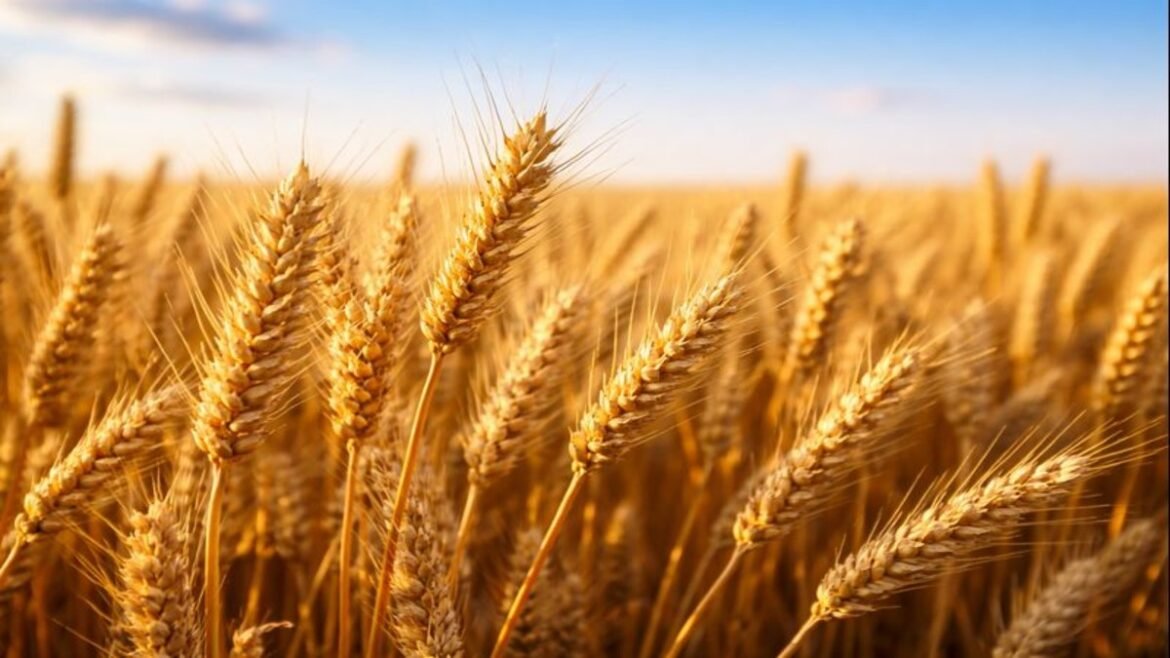
Wheat is a cereal crop belonging to the grass family. Wheat Crop it produces grains that are ground into flour and used to make bread, pasta, noodles, cakes, and countless other foods. Think of wheat as the multitasker of the food world—simple, adaptable, and reliable.
Why Wheat Is One of the World’s Most Important Crops
Wheat is grown on more land area than any other crop. Why? Because it’s versatile. It can grow in different climates, store well, and provide essential nutrients like carbohydrates, protein, fiber, and minerals.
History and Origin of Wheat
Early Domestication 6of Wheat
Wheat was first domesticated around 10,000 years ago in the Fertile Crescent, an area covering parts of modern-day Iraq, Syria, and Turkey. Early humans realized that storing wheat grains meant food even during harsh seasons.
Spread of Wheat Across Civilizations
As civilizations expanded, wheat traveled with them. From ancient Egypt to the Indus Valley, wheat became a symbol of prosperity and survival.
Types of Wheat Crops
Common Wheat (Bread Wheat)
This is the most widely grown wheat. It’s used to make bread, biscuits, and cakes thanks to its gluten content.
Durum Wheat
Durum wheat is harder and mainly used to make pasta, semolina, and couscous.
Einkorn, Emmer, and Spelt Wheat
These ancient wheat varieties are gaining popularity again due to their nutritional value and lower gluten content.
Climatic Requirements for Wheat Cultivation
Ideal Temperature
Wheat prefers cool weather during growth and warm, dry weather during maturity. The ideal temperature ranges from 10°C to 25°C.
Rainfall and Moisture Needs
Moderate rainfall (50–100 cm) is ideal. Too much rain can damage the crop, while too little reduces yield.
Wheat Growing Seasons Explained
Wheat is mainly grown as a rabi (winter) crop in many countries, sown in autumn and harvested in spring.
Soil Requirements for Wheat Crop
Best Soil Types for Wheat
Well-drained loamy soil is perfect for wheat. It allows roots to grow deep and access nutrients easily.
Soil Preparation and Fertility Management
Ploughing, leveling, and adding organic matter help create the perfect bed for wheat seeds.
Wheat Crop Varieties Around the World
Spring Wheat vs Winter Wheat
- Spring wheat is planted in spring and harvested in late summer.
- Winter wheat is planted in fall and harvested in early summer.
High-Yield Wheat Varieties
Modern hybrid varieties produce higher yields and resist diseases better than traditional ones.
Wheat Cultivation Process
Land Preparation
Good land preparation ensures proper root development and uniform germination.
Sowing Methods
Wheat is sown using broadcasting, drilling, or seed drills for precision.
Seed Rate and Spacing
Correct seed rate and spacing ensure healthy plant growth and higher yields.
Irrigation and Water Management
Critical Stages of Irrigation
Crown root initiation, tillering, and flowering are crucial stages for watering.
Water-Saving Techniques
Drip irrigation and sprinkler systems help conserve water while boosting yield.
Fertilizer and Nutrient Management
Macronutrients for Wheat
Nitrogen, phosphorus, and potassium are essential for wheat growth.
Organic vs Chemical Fertilizers
Organic fertilizers improve soil health, while chemical fertilizers provide quick nutrients.
Weed Control in Wheat Farming
Common Weeds Affecting Wheat
Phalaris minor and wild oats are major weeds that compete for nutrients.
Mechanical and Chemical Control Methods
Timely hoeing and selective herbicides keep weeds under control.
Pests and Diseases of Wheat Crop
Major Insect Pests
Aphids and termites can cause serious damage if not managed.
Common Wheat Diseases
Rusts, smut, and powdery mildew are common diseases.
Integrated Pest Management (IPM)
IPM combines biological, chemical, and cultural methods for sustainable control.
Conclusion
The wheat crop is more than just a field of golden plants—it’s the foundation of global nutrition and economic stability. From ancient times to modern agriculture, wheat continues to evolve, feeding billions and adapting to new challenges. With sustainable practices and smart technologies, wheat will remain a cornerstone of human survival for generations to come.
FAQs
1. What is the best climate for wheat cultivation?
Cool temperatures with moderate rainfall are ideal for wheat growth.
2. How long does wheat take to grow?
Wheat typically takes 4–6 months from sowing to harvest.
3. Which soil is best for wheat crop?
Well-drained loamy soil with good fertility is best.
4. What are the main uses of wheat?
Wheat is used for food products like bread and pasta, and for animal feed and industrial uses.
5. How does climate change affect wheat production?
Extreme temperatures and irregular rainfall can reduce yields and increase disease risk.