Introduction to the Vanilla Plant
Take a moment and think about ice cream, cake, or even a comforting cup of coffee. Chances are, vanilla is right there in the background, quietly stealing the show. But have you ever wondered where this iconic flavor actually comes from? Spoiler alert: it’s not a simple bean. It comes from a fascinating, high-maintenance orchid known as the vanilla plant.
The vanilla plant is proof that some of the best things in life require patience, care, and a bit of magic. Let’s peel back the curtain and explore everything you need to know about this extraordinary plant.
What Is a Vanilla Plant?
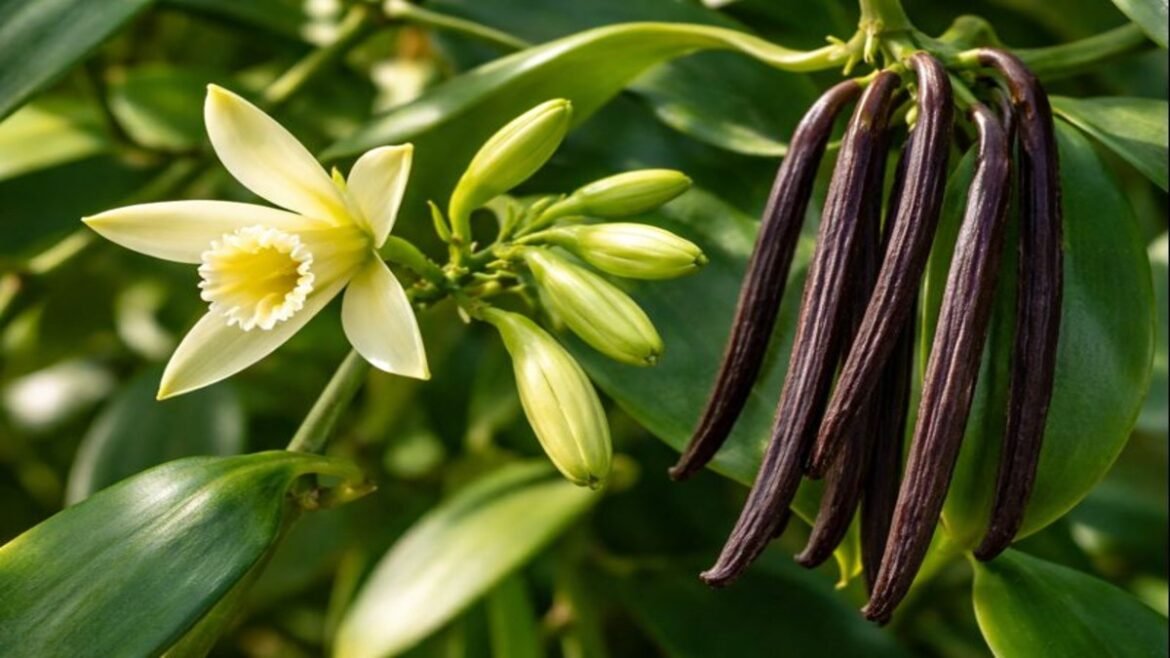
The vanilla plant is a tropical orchid belonging to the genus Vanilla. Unlike most orchids grown for decoration, this one is cultivated for its fruit—long, green pods commonly known as vanilla beans. These pods are packed with aromatic compounds that give vanilla its unmistakable flavor and scent.
Interestingly, vanilla is the only orchid in the world that produces an edible fruit. That alone earns it a special place in the plant kingdom.
Origin and History of Vanilla
Vanilla has its roots in Mexico and Central America, where the Totonac people were among the first to cultivate it. The Aztecs later adopted vanilla and used it to flavor chocolate drinks reserved for royalty.
When Spanish explorers brought vanilla to Europe in the 16th century, it became an instant hit. However, growing it outside its native region was impossible for centuries—until humans learned how to hand-pollinate the flowers. That discovery changed everything.
Types of Vanilla Plants
Vanilla planifolia
This is the most famous and widely grown species. It accounts for the majority of the world’s vanilla production and delivers the classic, rich vanilla flavor most people recognize.
Vanilla tahitensis
Native to Tahiti, this variety has a sweeter, more floral aroma. It’s often used in perfumes and gourmet desserts where subtlety matters.
Vanilla pompona
Sometimes called West Indian vanilla, this species produces larger pods but a milder flavor. It’s less common but still valued in certain regions.
Botanical Characteristics of the Vanilla Plant
Growth Habit
The vanilla plant is a climbing vine that can grow over 30 meters long in the wild. It relies on trees or supports to climb, wrapping its thick, fleshy stems around them like a slow-motion acrobat.
Leaves and Stems
Its leaves are broad, flat, and glossy green—perfect for photosynthesis in humid, shaded environments. The stems are succulent, storing water to help the plant survive dry spells.
Flowers of the Vanilla Orchid
Vanilla flowers are pale green to yellow and incredibly beautiful—but there’s a catch. Each flower lasts only one day. Miss that window, and there’s no vanilla bean.
Pollination Process
In nature, a specific bee species pollinates vanilla flowers. Outside Mexico, humans step in. Farmers must hand-pollinate each flower, usually in the early morning. One slip, and that flower is done for the season.
How Vanilla Is Grown
Climate and Soil Requirements
Vanilla thrives in warm, humid climates with temperatures between 20–30°C. It prefers loose, well-draining soil rich in organic matter. Think rainforest vibes, not desert drama.
Propagation Methods
Most vanilla plants are grown from cuttings rather than seeds. This speeds up growth and ensures consistent quality.
Training and Support
Since it’s a vine, vanilla needs support. Farmers often grow it alongside trees or on trellises, carefully guiding its growth.
Hand Pollination Explained
Using a thin stick or needle, farmers manually transfer pollen from the male to the female part of the flower. It’s delicate work—part science, part art.
Vanilla Bean Development and Harvesting
From Flower to Pod
Once pollinated, the flower develops into a green pod over 6–9 months. These pods look unimpressive at first, but patience pays off.
Harvesting Timeline
Beans are harvested just before they fully ripen. Too early or too late, and the flavor suffers. Timing is everything.
Conclusion
The vanilla plant is a reminder that extraordinary things often come from humble beginnings. From a fleeting flower to a globally adored flavor, vanilla’s journey is nothing short of remarkable. Whether you enjoy it in a dessert or dream of growing it yourself, vanilla is truly a plant worth appreciating.
FAQs
1. Is the vanilla plant hard to grow?
Yes, it requires patience, humidity, and hand pollination, but it’s possible with proper care.
2. How long does a vanilla plant take to produce beans?
Typically 3–4 years after planting.
3. Why is vanilla so expensive?
Because of labor-intensive hand pollination, long curing processes, and climate sensitivity.
4. Can vanilla be grown indoors?
Yes, especially in greenhouses or warm indoor environments.
5. Is vanilla healthy?
In moderation, vanilla offers antioxidants and mood-enhancing properties.