
Introduction to Tilapia and Food Safety
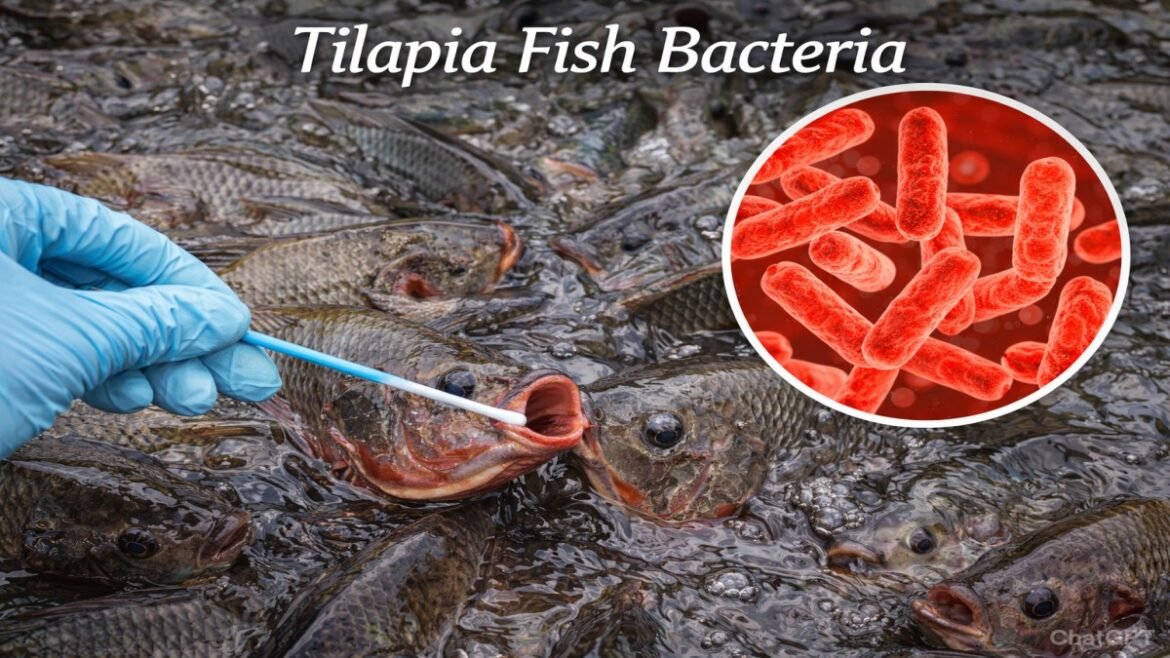
Tilapia Fish Bacteria. Tilapia is one of the most widely consumed fish in the world. It’s affordable, mild in flavor, and easy to cook. From grilled fillets to baked dinners, it’s a go-to protein for millions of households.
But you’ve probably heard whispers: “Is tilapia safe?” “Does tilapia carry harmful bacteria?” Let’s clear the air with facts—not fear.
Why Tilapia Is So Popular
Tilapia grows quickly, adapts well to farming, and has a neutral taste. That makes it inexpensive and accessible globally. It’s often recommended as a lean protein option.
Concerns About Bacteria in Fish
Like all raw seafood, tilapia can carry bacteria. That doesn’t automatically make it dangerous—but it does mean proper handling and cooking are essential.
Fish isn’t the problem. Poor food safety habits are.
What Bacteria Are Found in Tilapia Fish?
Bacteria in fish are not unusual. They exist naturally in aquatic environments. The key is understanding which ones matter.
Common Types of Bacteria
Salmonella
Though more commonly associated with poultry, salmonella can contaminate fish through handling or water exposure.
Vibrio
Vibrio bacteria are naturally found in warm marine environments. Some strains can cause gastrointestinal illness.
Aeromonas
This bacterium thrives in freshwater environments where tilapia are often farmed.
Streptococcus iniae
Primarily a fish pathogen, but in rare cases, it can infect humans—usually through open wounds.
Not every tilapia fillet contains these bacteria. But like any raw protein, contamination is possible.
How Tilapia Gets Contaminated
Bacteria don’t appear magically. There are specific pathways.
Farming Conditions
Tilapia is commonly farmed in ponds or tanks. If water quality is poor or overcrowding occurs, bacteria can multiply quickly.
Water Quality
Contaminated water sources increase the likelihood of bacterial presence. Clean, regulated farms reduce this risk significantly.
Handling and Processing
Improper processing, cross-contamination, or lack of hygiene during packaging can introduce harmful microbes.
Think of it this way: The journey from pond to plate matters.
Is Tilapia Safe to Eat?
Yes—when handled and cooked properly.
Proper Cooking Temperatures
Tilapia should be cooked to an internal temperature of 145°F (63°C). At this temperature, harmful bacteria are destroyed.
Use a food thermometer. Don’t guess.
Safe Handling Practices
- Keep fish refrigerated below 40°F (4°C)
- Avoid cross-contamination
- Wash hands thoroughly
- Cook within 1–2 days of purchase
Simple habits make a big difference.
Symptoms of Bacterial Infection from Fish
If contaminated fish is consumed undercooked, symptoms may appear within hours to days.
Mild Symptoms
- Nausea
- Vomiting
- Diarrhea
- Stomach cramps
Severe Symptoms
- Fever
- Dehydration
- Bloodstream infection (rare but serious)
Most healthy individuals recover quickly. But vulnerable groups must be cautious.
Who Is Most at Risk?
Pregnant Women
Foodborne illness can pose greater risks during pregnancy.
Elderly Individuals
Weakened immune systems increase susceptibility.
Immunocompromised People
Those with chronic illnesses should avoid undercooked seafood.
For these groups, fully cooked fish is non-negotiable.
Farmed vs Wild Tilapia – Bacterial Differences
Most tilapia on the market is farmed. Farmed fish are raised in controlled environments, which can be both positive and negative.
Well-regulated farms maintain strict hygiene standards. Poorly managed farms increase contamination risk.
Wild tilapia may encounter natural bacteria, but they aren’t necessarily “safer.”
Quality depends more on farming practices than wild versus farmed status.
Antibiotics in Tilapia Farming
Some aquaculture operations use antibiotics to prevent disease. Overuse may contribute to antibiotic resistance concerns.
However, many countries regulate antibiotic use strictly. Look for certifications and reputable sourcing when purchasing.
How to Reduce Risk When Buying Tilapia
What to Look for at the Store
- Clear, firm flesh
- Mild smell (not fishy or sour)
- Proper refrigeration
If it smells strong, walk away.
Fresh vs Frozen
Frozen tilapia is often flash-frozen shortly after harvesting, locking in freshness. In some cases, frozen is safer than “fresh” fish that has traveled long distances.
Conclusion
Tilapia fish bacteria are a legitimate concern—but not a reason for fear. Like any raw seafood, tilapia requires proper storage, handling, and thorough cooking.
The real risk comes from poor food safety habits—not the fish itself.
When sourced responsibly and cooked correctly, tilapia remains a safe, nutritious, and affordable protein choice.
Knowledge replaces worry. And safe cooking replaces risk.
FAQs
1. Does all tilapia contain harmful bacteria?
No. Bacteria may be present in raw fish, but proper cooking eliminates harmful pathogens.
2. Can you get sick from undercooked tilapia?
Yes. Undercooked fish can cause foodborne illness.
3. Is frozen tilapia safer than fresh?
Frozen tilapia is often processed quickly and can be just as safe—or safer—than fresh fish.
4. What temperature kills bacteria in tilapia?
145°F (63°C) is the recommended safe internal temperature.
5. Should I avoid tilapia completely?
No. When sourced and prepared correctly, tilapia is safe and nutritious.