
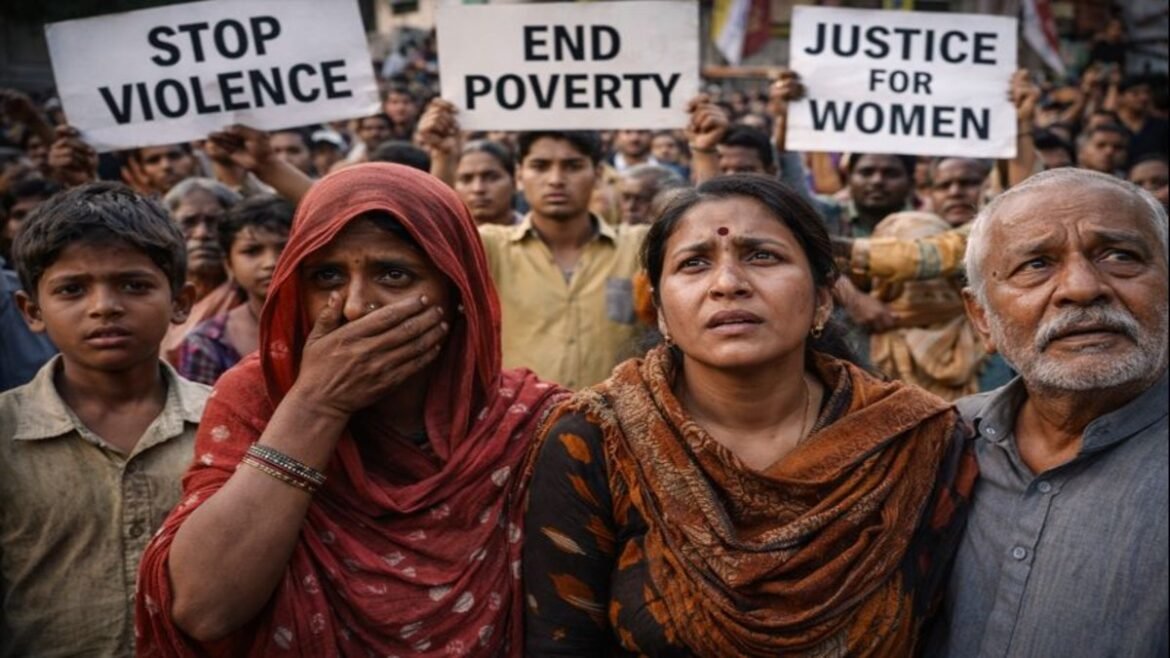
Introduction to Social Issues in India
India is a land of contrasts. On one hand, we see rapid technological growth and global influence. On the other, deep-rooted social issues continue to affect millions. Social issues in India are like knots in a long rope—interconnected, complex, and tough to untangle.
What Are Social Issues?
Social issues are problems that influence a large number of people within a society. These include poverty, inequality, discrimination, unemployment, and lack of access to basic needs like education and healthcare.
Why Social Issues Matter in a Developing Nation
For a developing country like India, social issues directly affect economic growth, human development, and social harmony. Ignoring them is like building a house on weak foundations.
Historical Context of Social Issues in India
Influence of Colonial Rule
British colonial rule reshaped India’s economy and social fabric. It widened economic gaps and disrupted traditional industries, leaving long-term scars.
Traditional Social Structures and Beliefs
Many social issues stem from age-old traditions and rigid norms passed down generations.
Caste and Community Roots
The caste system, originally occupational, gradually turned discriminatory, limiting opportunities for many.
Poverty in India
Poverty remains one of the most visible social issues in India. Despite progress, millions still struggle to meet basic needs.
Causes of Poverty
- Lack of education
- Unemployment
- Overpopulation
- Unequal distribution of wealth
Rural vs Urban Poverty
Rural poverty is often linked to agriculture dependency, while urban poverty shows up in slums and informal settlements.
Impact of Poverty on Society
Poverty fuels crime, poor health, illiteracy, and social exclusion—creating a vicious cycle.
Unemployment and Underemployment
Youth Unemployment
India has one of the largest youth populations in the world. Yet, many young people struggle to find suitable jobs.
Informal Sector Challenges
A large portion of the workforce is in the informal sector with low wages and no job security.
Education Inequality
Access to Quality Education
While enrollment has increased, quality education remains uneven.
Gender Gap in Education
In some regions, girls still face barriers due to early marriage, poverty, and social norms.
Urban-Rural Divide
Urban schools often have better facilities compared to rural ones.
Gender Inequality
Status of Women in India
Women have made progress, but inequality persists in education, employment, and safety.
Workplace Inequality
Women often earn less and face limited leadership opportunities.
Violence Against Women
Issues like domestic violence and harassment remain serious concerns.
Caste-Based Discrimination
The Caste System Explained
Though legally abolished, caste-based discrimination still exists socially.
Modern-Day Caste Issues
Access to jobs, education, and social mobility is still affected in some areas.
Child Labor
Why Child Labor Still Exists
Poverty and lack of education push children into labor.
Effects on Children and Society
It robs children of education and harms long-term national development.
Health Issues in India
Public Healthcare Challenges
Limited infrastructure and staff shortages affect healthcare delivery.
Malnutrition and Hunger
India faces high levels of child malnutrition despite food availability.
Mental Health Awareness
Mental health is often ignored due to stigma and lack of awareness.
Population Explosion
Causes of Overpopulation
Lack of family planning awareness and early marriages contribute.
Effects on Resources and Development
Overpopulation strains housing, healthcare, and employment.
Corruption
Forms of Corruption
Bribery, nepotism, and misuse of power are common forms.
Impact on Governance and Trust
Corruption weakens institutions and public trust.
Environmental and Social Issues
Pollution and Public Health
Air and water pollution directly affect health and quality of life.
Climate Change and Vulnerable Communities
Poor communities suffer the most from climate-related disasters.
Role of Government and NGOs
Government Schemes and Policies
Programs like MGNREGA, Beti Bachao Beti Padhao, and Digital India aim to address social challenges.
Contribution of NGOs and Civil Society
NGOs play a crucial role in grassroots-level change.
Role of Youth and Media
Youth as Change Makers
Educated and aware youth can drive social transformation.
Media and Social Awareness
Media highlights issues and holds authorities accountable.
Conclusion
Social issues in India are deeply rooted, but they are not impossible to solve. With collective effort from the government, society, and individuals, meaningful change is achievable. Think of India as a vast garden—every problem is a weed, but with care, awareness, and action, the garden can flourish.
FAQs
1. What are the major social issues in India today?
Poverty, unemployment, gender inequality, caste discrimination, education gaps, and corruption are major issues.
2. Why is poverty still a problem in India?
Due to population pressure, unemployment, lack of education, and unequal wealth distribution.
3. How does education help solve social issues?
Education creates awareness, improves employment, and promotes equality.
4. What role do NGOs play in addressing social issues?
They work at the grassroots level, providing support, education, and advocacy.
5. Can youth really bring social change in India?
Absolutely. Youth energy, innovation, and awareness are powerful tools for transformation.