
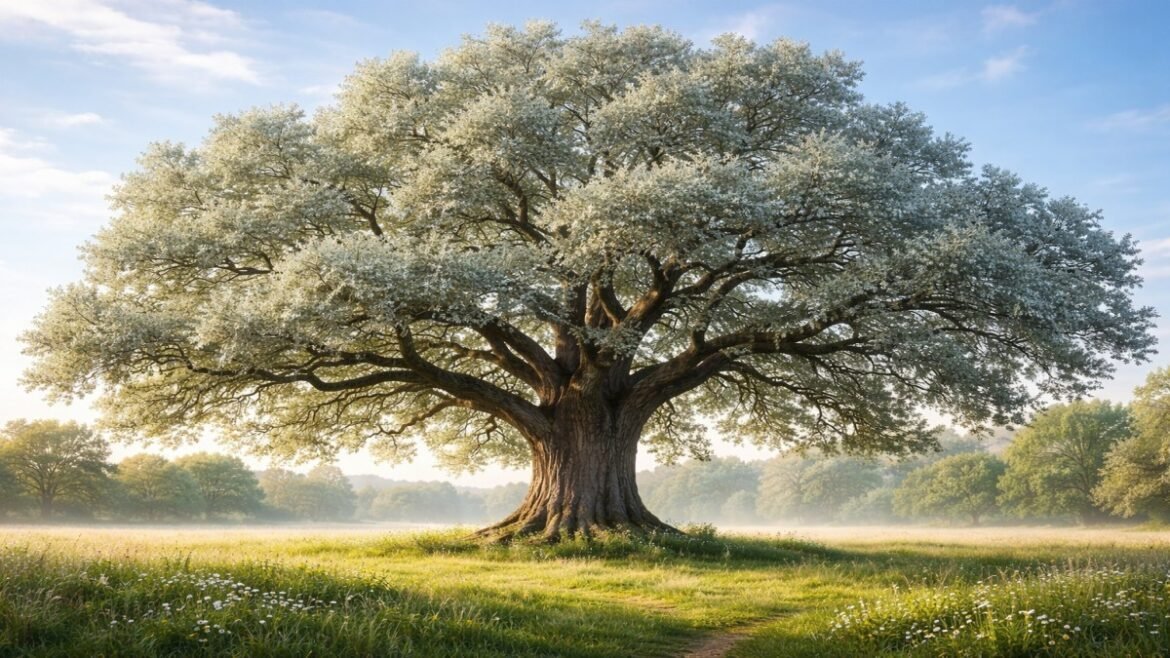
The silver oak tree is one of those trees you’ve probably seen countless times without realizing just how valuable it is. Tall, graceful, fast-growing, and incredibly versatile, it’s a favorite in farms, gardens, roadsides, and large plantations. Whether you’re a farmer, gardener, student, or simply someone curious about trees, the silver oak has a story worth knowing.
Let’s dive deep into everything that makes this tree special.
Introduction to the Silver Oak Tree
What Is a Silver Oak Tree?
The silver oak tree is a fast-growing evergreen tree widely cultivated for timber, shade, and environmental benefits. Despite its name, it’s not a true oak. The name comes from the silvery sheen on the underside of its leaves, which shimmer beautifully in sunlight.
Why Is It So Popular Worldwide?
Simple reasons: it grows fast, adapts easily, provides good-quality wood, and requires relatively low maintenance. That combination makes it a win-win for both nature and humans.
Origin and Natural Habitat
Native Regions
The silver oak tree originally comes from Australia, where it grows naturally in coastal and subtropical regions.
Climate Conditions It Thrives In
It thrives best in warm, humid climates with moderate to high rainfall. That’s why it has adapted so well in countries across Asia, Africa, and parts of South America.
Botanical Characteristics of the Silver Oak Tree
Height and Growth Pattern
Silver oak trees can grow up to 30 meters tall under ideal conditions. They grow straight and upright, making them perfect for timber plantations.
Leaves, Bark, and Canopy Structure
The leaves are long, narrow, and deeply lobed. The bark is dark gray and rough, while the canopy is open, allowing filtered sunlight to pass through.
Why the Leaves Look Silvery
Flip a leaf over and you’ll see the magic—tiny hairs on the underside reflect light, giving it that signature silvery appearance.
Types and Varieties of Silver Oak
Commonly Cultivated Varieties
While there aren’t many distinct commercial varieties, selective breeding has improved growth rate and timber quality in plantation-grown trees.
Regional Differences in Growth
Trees grown in tropical regions tend to grow faster, while those in cooler climates grow slower but denser.
Growth Rate and Lifespan
How Fast Does a Silver Oak Tree Grow?
This is where silver oak shines. It can grow 2–3 meters per year in its early stages, making it one of the fastest-growing timber trees.
Average Lifespan
A silver oak tree can live for 50–80 years, depending on climate, care, and soil conditions.
Environmental Benefits of Silver Oak Trees
Oxygen Production and Air Quality
With its large leaf surface, the silver oak contributes significantly to oxygen production and air purification.
Soil Conservation
Its root system helps prevent soil erosion, especially on slopes and farmlands.
Biodiversity Support
Birds, insects, and small animals often use silver oak trees for shelter and nesting.
Economic Importance of the Silver Oak Tree
Timber Value
Silver oak wood is lightweight, moderately strong, and easy to work with—perfect for commercial use.
Role in Agroforestry
Farmers often plant silver oak alongside crops to improve income without harming yield.
Shade for Crops Like Coffee and Tea
Its open canopy provides just the right amount of shade for crops like coffee, pepper, and cocoa.
Uses of Silver Oak Wood
Furniture and Interior Use
Silver oak wood is widely used for cabinets, doors, window frames, and light furniture.
Construction and Packaging
It’s commonly used for plywood, pallets, and packing cases.
Paper and Plywood Industry
The pulp is suitable for paper production, making it valuable in industrial forestry.
Conclusion
The silver oak tree is more than just a fast-growing plant—it’s a symbol of balance between nature and utility. From enriching the environment to supporting farmers and industries, it plays multiple roles with ease. If you’re looking for a tree that grows quickly, looks elegant, and offers real-world benefits, silver oak is hard to beat.
FAQs
1. Is the silver oak tree a true oak?
No, despite the name, it’s not a true oak species.
2. How long does it take for a silver oak tree to mature?
It reaches usable size in about 12–15 years.
3. Is silver oak good for furniture?
Yes, especially for lightweight and indoor furniture.
4. Can silver oak be grown in home gardens?
Yes, but only if there’s enough space for its height and roots.
5. Does silver oak require a lot of water?
Only during early growth stages; mature trees are fairly drought-tolerant.