
Introduction to Rubble Masonry
What Is Rubble Masonry?
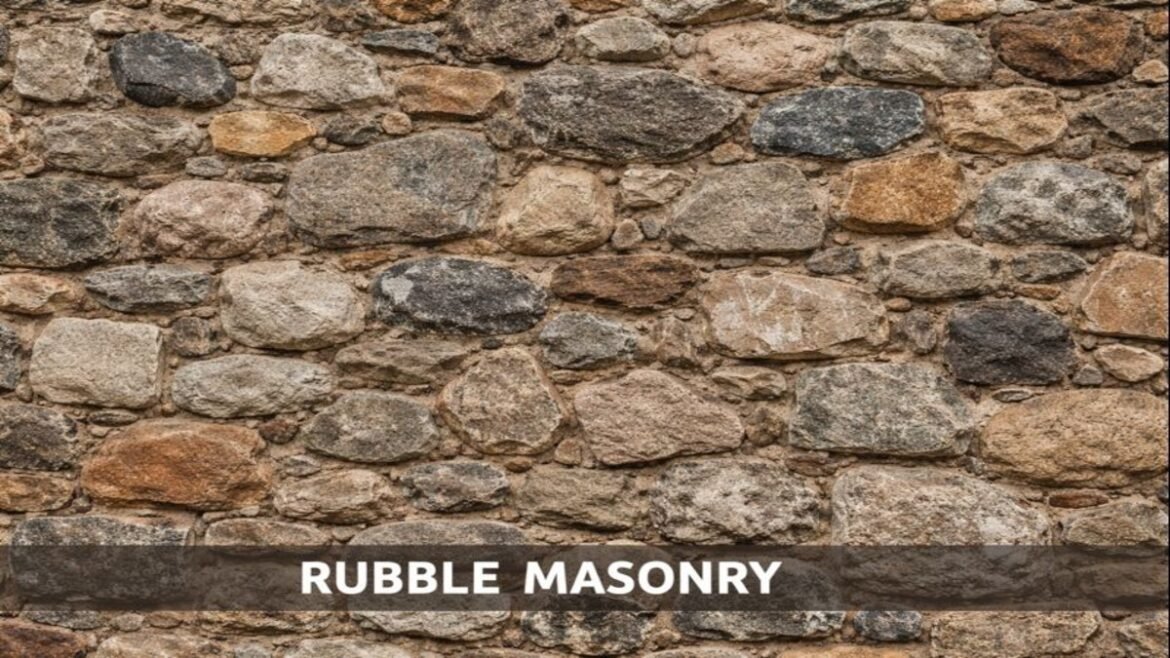
Rubble masonry is one of the oldest and most reliable construction techniques known to humanity. It uses rough, irregularly shaped stones that are either minimally dressed or completely undressed. These stones are laid together using mortar or, in some cases, without mortar at all. Think of it as nature’s puzzle each stone is unique, yet when fitted correctly, they form a solid, long-lasting structure.
Why Rubble Masonry Still Matters Today
You might wonder, with all the modern construction materials available, why rubble masonry still gets attention. The answer is simple: durability, affordability, and timeless beauty. Even today, rubble masonry is widely used in rural buildings, boundary walls, and restoration projects because it stands the test of time—literally.
History and Origins of Rubble Masonry
Ancient Civilizations and Stone Construction
Rubble masonry dates back thousands of years. Ancient Egyptians, Greeks, and Romans relied heavily on stone construction. Many of their surviving structures used rubble masonry at their core, proving just how strong and reliable this method is.
Rubble Masonry in Medieval Architecture
During medieval times, castles, forts, and city walls were often built using rubble masonry. Thick walls made from irregular stones provided strength and defense, making them ideal for fortifications.
Types of Rubble Masonry
Random Rubble Masonry
This is the most common type, where stones of irregular shapes and sizes are laid without uniform courses. It’s economical and widely used in simple construction.
Coursed Rubble Masonry
In this type, stones are arranged in roughly leveled horizontal layers. It looks more organized than random rubble masonry and offers better load distribution.
Polygonal Rubble Masonry
Here, stones are dressed into polygonal shapes, fitting together like a jigsaw puzzle. It’s visually striking and often used for decorative walls.
Flint Rubble Masonry
Made using flint stones, this type is common in areas where flint is readily available. It gives buildings a unique texture and appearance.
Dry Rubble Masonry
No mortar is used here. Stones rely on gravity and careful placement for stability. It’s commonly used for retaining walls and landscaping.
Materials Used in Rubble Masonry
Natural Stones
Common stones include granite, limestone, sandstone, and basalt. The choice depends on local availability and required strength.
Mortar Types
Lime Mortar vs Cement Mortar
Lime mortar is flexible and breathable, making it ideal for heritage buildings. Cement mortar, on the other hand, offers higher strength and faster setting, suitable for modern construction.
Construction Process of Rubble Masonry
Stone Selection and Preparation
Stones should be strong, durable, and free from cracks. Minimal dressing may be done to ensure better bonding.
Laying the Stones
Stones are laid in mortar with proper interlocking. Larger stones are placed at the bottom, while smaller ones fill the gaps.
Jointing and Finishing
Joints are properly filled to prevent water penetration. The surface can be left rough or lightly finished, depending on aesthetic needs.
Structural Characteristics
Load-Bearing Capacity
Rubble masonry walls are thick and heavy, making them excellent load-bearing structures, especially for low-rise buildings.
Thickness and Stability
Due to irregular stones, walls are usually thicker than brick walls, providing added stability and insulation.
Advantages of Rubble Masonry
Durability and Strength
Some rubble masonry structures have stood for centuries. That’s not luck—it’s solid engineering.
Cost-Effectiveness
Since stones are often locally sourced and minimally processed, costs remain low.
Natural Aesthetic Appeal
The rustic, earthy look of rubble masonry blends beautifully with natural surroundings.
Disadvantages of Rubble Masonry
Skilled Labor Requirement
Proper stone placement requires experience and skill.
Construction Time
It takes longer compared to brick or block masonry.
Limited Earthquake Resistance
Without proper reinforcement, rubble masonry may not perform well in seismic zones.
Rubble Masonry vs Ashlar Masonry
Key Differences Explained
Ashlar masonry uses finely dressed stones with uniform size, while rubble masonry uses rough stones. Ashlar looks more refined; rubble looks more natural.
Which One Should You Choose?
Choose rubble masonry for cost-effectiveness and rustic charm. Choose ashlar for precision and formal aesthetics.
Conclusion
Rubble masonry is a perfect blend of strength, simplicity, and sustainability. It connects modern construction with ancient wisdom, offering structures that are not only functional but also timeless. Whether you’re restoring a heritage building or constructing a rustic home, rubble masonry remains a reliable and beautiful choice.
FAQs
1. Is rubble masonry still used today?
Yes, especially in rural construction, boundary walls, and restoration projects.
2. What is the main difference between rubble and ashlar masonry?
Rubble masonry uses rough stones, while ashlar masonry uses finely dressed stones.
3. Is rubble masonry eco-friendly?
Absolutely. It uses natural, locally sourced materials with minimal processing.
4. Can rubble masonry be used in modern houses?
Yes, especially when combined with modern reinforcements and techniques.
5. How long does rubble masonry last?
With proper construction and maintenance, it can last for centuries.