
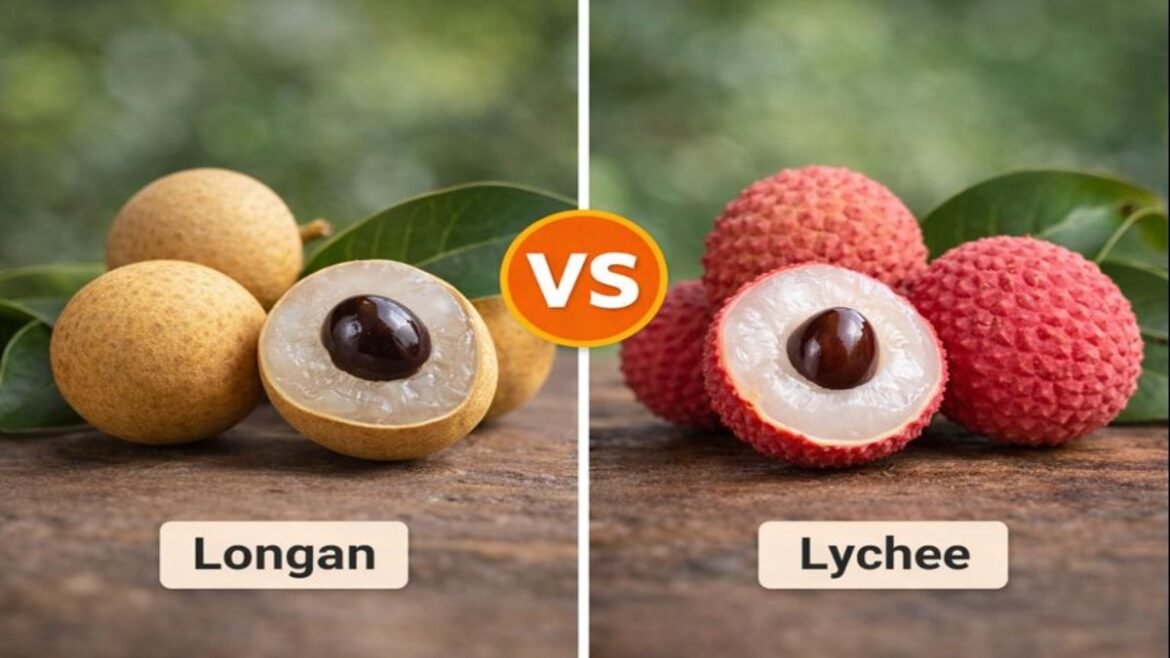
Introduction to Longan and Lychee
Longan vs Lychee are often mistaken for each other, and honestly, it’s easy to see why. They’re both small, round, juicy fruits with a tropical vibe and a sweet personality. But beneath the surface, these cousins have their own stories, flavors, and benefits. Let’s break it down simply and clearly.
Botanical Background of Longan vs Lychee
What Is Longan?
Longan, often called the “dragon eye,” gets its name from how it looks when peeled—clear flesh with a dark seed in the center. It belongs to the soapberry family and is widely loved in Asian cultures.
What Is Lychee?
Lychee is the more famous sibling. With its rough red skin and fragrant sweetness, it’s a star in desserts and drinks worldwide. Like longan, it’s also part of the soapberry family.
Origin and Growing Regions
Longan is mainly grown in China, Thailand, and Vietnam. Lychee also traces back to China but is now cultivated in India, South Africa, Australia, and parts of the United States.
Appearance and Texture
Outer Skin Comparison
Lychee has a bright red, bumpy shell that looks dramatic. Longan’s shell is smoother and light brown, much more subtle in appearance.
Flesh and Seed
Longan vs Lychee both fruits have translucent flesh and a single dark seed. Longan’s flesh is firmer, while lychee is juicier and softer.
Taste and Flavor Profile
Here’s where opinions split. Lychee is floral, fragrant, and juicy—almost like a mix of rose and grape. Longan is milder, honey-like, and less tangy. Think of lychee as bold and longan as calm and comforting.
Nutritional Value
Vitamins and Minerals
Longan vs Lychee both fruits are rich in vitamin C, supporting immunity and skin health. They also contain potassium, copper, and antioxidants.
Calories and Sugar Content
Lychee is slightly higher in sugar and calories, while longan is a bit lighter, making it a gentler choice for frequent snacking.
Health Benefits
Benefits of Longan
Longan is traditionally used to reduce stress, improve sleep, and support brain health. It’s also known for boosting energy and improving blood circulation.
Benefits of Lychee
Lychee shines when it comes to hydration, digestion, and skin health. Its antioxidants help fight free radicals and support overall wellness.
Culinary Uses
Lychee is popular in juices, cocktails, ice creams, and fruit salads. Longan is often dried and used in teas, soups, and traditional desserts. Both can be eaten fresh and are incredibly refreshing on hot days.
Longan vs Lychee – Key Differences
The main difference lies in flavor intensity, texture, and aroma. Lychee is louder and more aromatic. Longan is subtle and soothing. Neither is better—it all depends on your taste buds.
Availability and Price
Lychee is easier to find globally, especially during summer. Longan may be seasonal and more common in Asian markets. Prices vary, but lychee is usually slightly more expensive.
How to Choose and Store
Choose fruits that feel firm and heavy for their size. Store them in the refrigerator and consume within a few days for maximum freshness.
Conclusion
Longan vs Lychee may look alike, but they offer different experiences. One is floral and juicy, the other mild and comforting. Whether you prefer the bold charm of lychee or the gentle sweetness of longan, both deserve a place on your plate.
FAQs
1. Is longan sweeter than lychee?
No, lychee is generally sweeter and more aromatic than longan.
2. Can you eat longan and lychee daily?
Yes, in moderation. Both are healthy but contain natural sugars.
3. Which fruit is better for digestion?
Lychee is better for hydration and digestion due to its juiciness.
4. Are longan and lychee good for skin health?
Yes, both are rich in vitamin C and antioxidants that support healthy skin.
5. Can longan replace lychee in recipes?
Yes, but expect a milder flavor when using longan.