
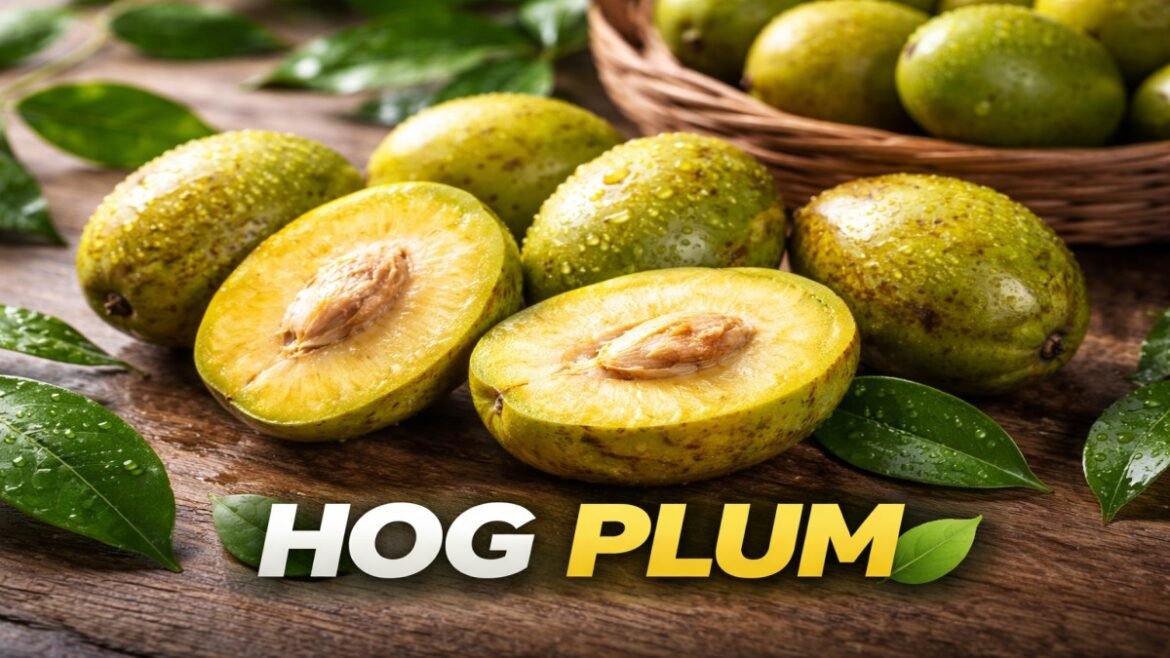
If you love fruits that make your mouth tingle and wake up your taste buds, hog plum might just become your new favorite. It’s tangy, slightly sweet, sometimes sour—and packed with surprising health benefits. Often overlooked next to mangoes and pineapples, hog plum quietly holds its own as a nutritional powerhouse.
What Is Hog Plum?
Hog plum is a tropical fruit known for its sharp flavor and crunchy texture. It grows on medium-sized trees and is widely enjoyed in Asia, Africa, and parts of the Caribbean.
Origin and Botanical Background
Hog plum belongs to the Spondias genus, a family known for flavorful and resilient fruits.
Scientific Name and Classification
- Scientific name: Spondias mombin or Spondias pinnata
- Family: Anacardiaceae
Different Names of Hog Plum Around the World
- Ambarella
- June plum
- Amra
- Yellow mombin
Types of Hog Plum
Not all hog plums taste the same. Let’s explore the main varieties.
Yellow Hog Plum
Slightly sweet with a mild sour kick. Commonly eaten raw or juiced.
Green Hog Plum
Very sour and crunchy—perfect for pickles and chutneys.
Regional Varieties
Different regions grow unique strains with varying levels of sweetness and aroma.
Nutritional Value of Hog Plum
This fruit may be small, but nutritionally, it punches above its weight.
Vitamins and Minerals
Hog plum is rich in:
- Vitamin C
- Vitamin A
- Potassium
- Iron
Antioxidants and Fiber Content
Its antioxidants fight free radicals, while fiber supports gut health and digestion.
Health Benefits of Hog Plum
This fruit isn’t just tasty—it’s functional food.
Boosts Digestion
Hog plum stimulates digestive enzymes, helping relieve constipation and bloating.
Strengthens Immunity
Thanks to its vitamin C content, hog plum supports your immune defenses.
Supports Heart Health
Potassium helps regulate blood pressure and supports heart function.
Anti-inflammatory Properties
Compounds in hog plum may reduce inflammation in the body.
Benefits for Skin and Hair
Antioxidants promote glowing skin and stronger hair.
Hog Plum in Traditional Medicine
In many cultures, hog plum has been used for generations to treat:
- Digestive issues
- Fever
- Infections
Leaves, bark, and fruit are all used medicinally.
Culinary Uses of Hog Plum
Hog plum is incredibly versatile in the kitchen.
Fresh Consumption
Some people enjoy it raw with salt or chili.
Pickles and Chutneys
Its sourness makes it perfect for bold, spicy recipes.
Juices and Beverages
Refreshing hog plum drinks are popular in tropical climates.
Hog Plum in Different Cultures
From street snacks in South Asia to traditional dishes in the Caribbean, hog plum is deeply rooted in local food traditions.
Taste Profile and Texture
Think of hog plum as nature’s sour candy—crunchy, juicy, and mouthwatering.
How to Select and Store Hog Plum
Choose fruits that are firm and unblemished. Store them in a cool place or refrigerate for longer freshness.
How to Eat Hog Plum Safely
Wash thoroughly and avoid overeating, especially if you’re sensitive to sour foods.
Potential Side Effects
Excess consumption may cause:
- Stomach irritation
- Tooth sensitivity
Moderation is key.
Who Should Avoid Hog Plum
People with acid reflux or sensitive stomachs should consume it carefully.
Hog Plum vs Other Tropical Fruits
Unlike sweeter fruits, hog plum stands out for its tangy profile and medicinal value.
Is Hog Plum Good for Weight Loss?
Yes! It’s low in calories, high in fiber, and keeps you feeling full longer.
Environmental and Agricultural Importance
Hog plum trees are hardy, require minimal care, and support sustainable agriculture.
Future Demand and Market Value
With rising interest in exotic fruits, hog plum is gaining attention in global markets.
Conclusion
Hog plum may not be the most famous fruit, but it’s certainly one of the most interesting. From boosting digestion to adding bold flavor to meals, this tropical gem deserves a place on your plate. If you enjoy adventurous tastes and natural health benefits, hog plum is worth trying.
FAQs
1. Is hog plum edible raw?
Yes, it can be eaten raw, especially when ripe.
2. Is hog plum good for digestion?
Absolutely. It helps stimulate digestive enzymes.
3. Can hog plum be eaten daily?
Yes, in moderation.
4. Is hog plum acidic?
Yes, it is naturally acidic and sour.
5. Is hog plum used in medicine?
Yes, it has traditional medicinal uses in many cultures.