
Introduction to Cryolite
Cryolite might not be a household name, but behind the scenes, it plays a massive role in modern industry especially aluminum production. Think of cryolite as the silent helper that makes lightweight metals possible, from airplane bodies to soda cans.
What Is Cryolite?
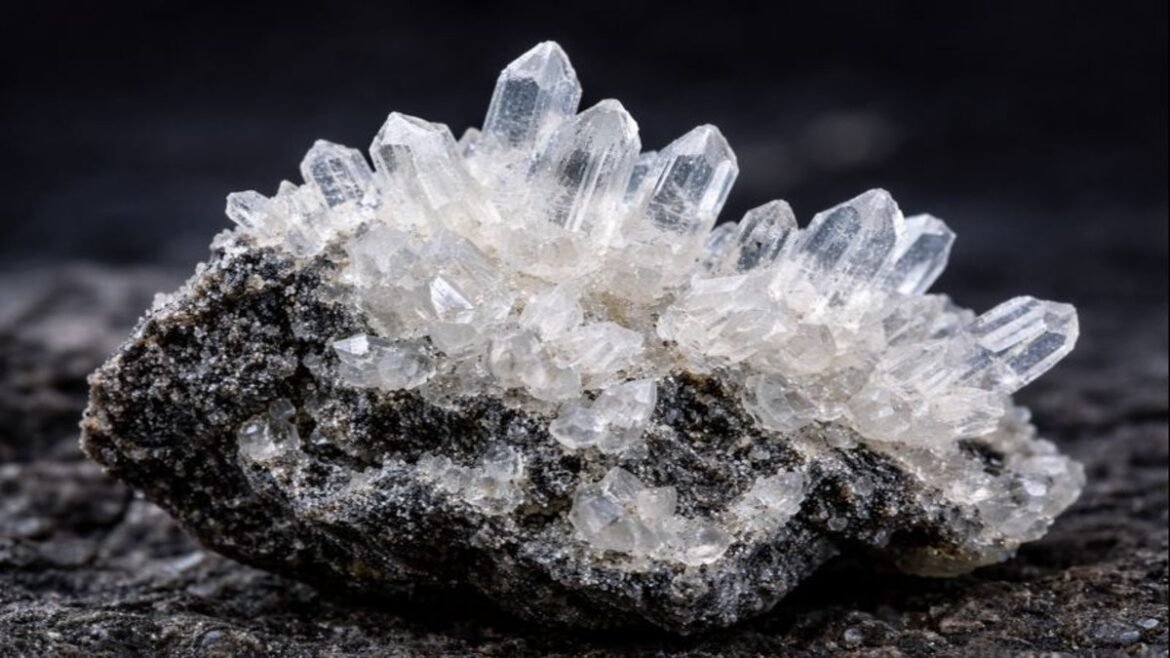
Cryolite is a rare mineral composed mainly of sodium, aluminum, and fluoride. In its natural form, it looks like colorless or whitish crystals and can even resemble ice—hence its nickname.
Meaning and Chemical Definition
Scientifically, cryolite is known as sodium aluminum fluoride. Its unique chemical structure allows it to lower melting points in industrial processes, which is where its true value lies.
Chemical Composition and Formula
Chemical Formula of Cryolite
The chemical formula of cryolite is Na₃AlF₆. This formula explains why it behaves so differently from many other minerals.
Elements Present in Cryolite
- Sodium (Na)
- Aluminum (Al)
- Fluorine (F)
Why Sodium Aluminum Fluoride Matters
This combination makes cryolite an excellent flux, meaning it helps materials melt more easily without decomposing.
Physical Properties of Cryolite
Color, Texture, and Appearance
Cryolite is usually white, colorless, or slightly gray. Sometimes, it can appear reddish or brown due to impurities.
Hardness and Density
On the Mohs scale, cryolite is relatively soft, with a hardness of about 2.5–3. Its density is also moderate, making it easy to process industrially.
Melting Point and Solubility
One standout feature is its low melting point compared to aluminum oxide. Cryolite is slightly soluble in water but reacts more readily under industrial heat.
Types of Cryolite
Natural Cryolite
Natural cryolite was once mined mainly in Greenland. Today, natural deposits are extremely rare and nearly exhausted.
Synthetic Cryolite
Because of limited natural supply, synthetic cryolite is now widely produced. It offers consistent quality and is easier to manufacture in large quantities.
Key Differences Between Natural and Synthetic Cryolite
Natural cryolite is purer but scarce, while synthetic cryolite is cost-effective and widely available.
History of Cryolite
Discovery of Cryolite
Cryolite was discovered in the late 18th century, sparking interest due to its unusual properties.
Cryolite Mining in Greenland
For decades, Greenland was the world’s primary source of natural cryolite, making it strategically important.
Decline of Natural Cryolite Sources
By the late 20th century, natural cryolite mines were depleted, pushing industries toward synthetic alternatives.
How Cryolite Is Formed
Geological Formation
Cryolite forms under specific geological conditions, usually associated with granite-rich environments.
Environmental Conditions for Cryolite Formation
Low temperatures and fluoride-rich fluids are essential for its natural formation—conditions that are quite rare.
Industrial Uses of Cryolite
Cryolite in Aluminum Production
This is cryolite’s most famous role. It acts as a solvent for aluminum oxide, making extraction feasible.
Role in Electrolysis
Without cryolite, aluminum production would require extreme temperatures, making it inefficient and costly.
Cryolite and the Hall-Héroult Process
Cryolite is a key component in the Hall-Héroult process, the standard method for aluminum extraction worldwide.
Cryolite in Glass and Ceramics
Use as a Flux
Cryolite helps glass and ceramic materials melt smoothly and evenly.
Improving Glass Transparency and Strength
It enhances clarity and durability, making it valuable in specialty glass production.
Cryolite in Insecticides and Pesticides
Historical Agricultural Uses
Cryolite was once widely used as an insecticide, especially on fruits and vegetables.
Safety Concerns and Regulations
Due to fluoride content, its agricultural use is now regulated or restricted in many countries.
Cryolite in Modern Manufacturing
Welding Rods and Abrasives
Cryolite improves welding performance and is used in abrasives for metal finishing.
Fillers in Resins and Plastics
It also acts as a filler to enhance strength and heat resistance.
Environmental and Health Impact
Is Cryolite Toxic?
Cryolite itself is not highly toxic, but excessive fluoride exposure can be harmful.
Environmental Effects
Improper disposal can affect soil and water, making regulation essential.
Safe Handling Practices
Protective equipment and proper storage are key to safe industrial use.
Advantages and Limitations of Cryolite
Benefits in Industry
- Lowers melting points
- Improves efficiency
- Reduces energy consumption
Conclusion
Cryolite may be rare, but its importance is anything but small. From enabling aluminum production to enhancing glass and ceramics, this mineral quietly supports modern life. As natural sources fade, synthetic cryolite ensures industries keep moving forward—efficiently and sustainably.
Frequently Asked Questions (FAQs)
1. What is cryolite mainly used for?
Cryolite is primarily used in aluminum production as a flux in electrolysis.
2. Is natural cryolite still mined today?
No, most natural sources are depleted; synthetic cryolite is now used.
3. Is cryolite dangerous to humans?
It’s generally safe when handled properly, but excessive fluoride exposure can be harmful.
4. Why is cryolite important in aluminum extraction?
It lowers the melting point of aluminum oxide, saving energy and cost.
5. Can cryolite be replaced by other minerals?
In some cases, yes, but cryolite remains the most efficient option.