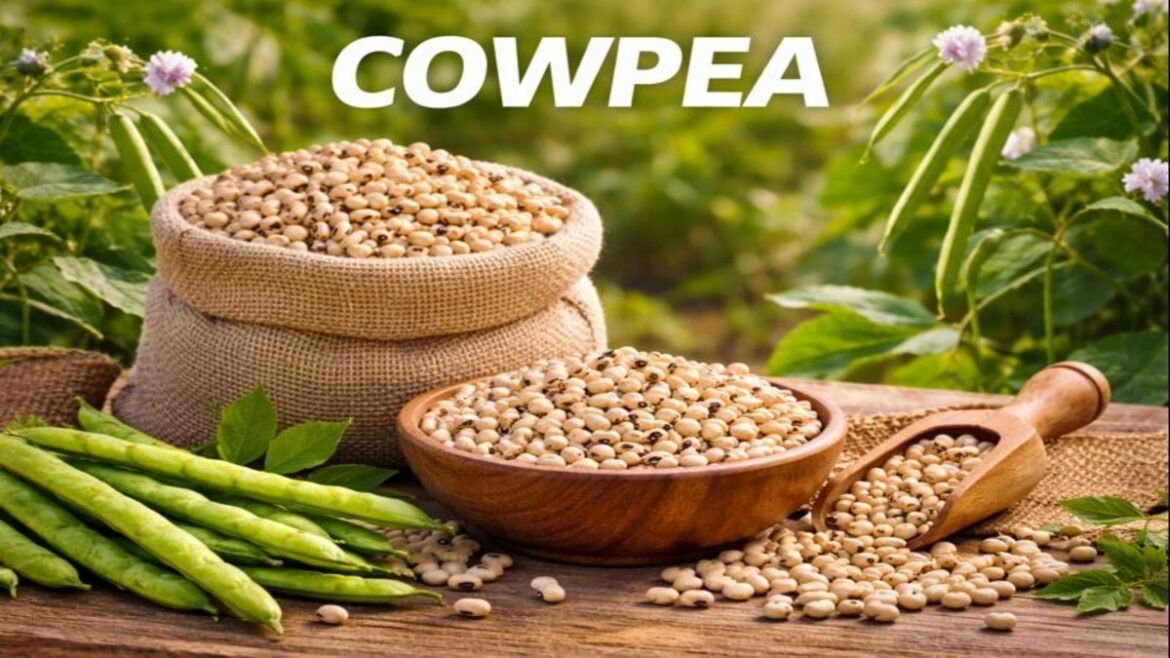
Cowpea, scientifically known as Vigna unguiculata, is one of those humble crops that quietly feeds millions of people around the world. Often overlooked next to flashy grains like rice or wheat, cowpea plays a massive role in food security, nutrition, and sustainable agriculture—especially in Africa, Asia, and parts of the Americas.
Whether you know it as black-eyed pea, southern pea, or lobia, cowpea is more than just a bean. It’s a survivor, a soil improver, and a nutritional powerhouse rolled into one.
Let’s dig into what makes cowpea so special.
What Is Cowpea?
Cowpea is a warm-season legume grown primarily for its edible seeds, green pods, and leaves. It belongs to the Fabaceae family, the same group as lentils, chickpeas, and beans.
Common Names of Cowpea
- Black-eyed pea
- Lobia
- Southern pea
- Crowder pea
- China bean
Despite the different names, they all point to the same versatile crop.
Origin and History of Cowpea
Cowpea originated in Africa, with evidence suggesting it was domesticated over 5,000 years ago. From there, it spread to:
- South Asia
- Southeast Asia
- Southern United States
- Latin America
Through trade and migration, cowpea became a staple in many traditional diets and farming systems.
Botanical Characteristics of Cowpea
Cowpea is a flexible plant with several growth habits, including bushy, trailing, and climbing types.
Plant Features
- Roots: Deep taproot system
- Leaves: Broad, green, and edible
- Flowers: White, yellow, or purple
- Pods: Long and slender, containing 8–20 seeds
This adaptability allows cowpea to thrive in diverse environments.
Climate and Soil Requirements
One of cowpea’s greatest strengths is its ability to grow where other crops struggle.
Climate Needs
- Warm temperatures (20–35°C)
- Drought-tolerant
- Performs well in low-rainfall areas
Soil Preferences
- Light to medium-textured soils
- Well-drained
- Tolerates low soil fertility
Cowpea’s nitrogen-fixing ability improves soil health naturally.
Nutritional Value of Cowpea
Cowpea is a nutritional goldmine, especially for plant-based diets.
Key Nutrients
- High protein (23–25%)
- Dietary fiber
- Iron
- Zinc
- Folate
- Magnesium
Health Benefits
- Supports muscle growth
- Improves digestion
- Helps manage blood sugar
- Boosts immunity
In regions with limited access to animal protein, cowpea is a lifesaver.
Uses of Cowpea
Cowpea is incredibly versatile and used in many ways.
Human Consumption
- Dry seeds (boiled, fried, or ground)
- Green pods as vegetables
- Young leaves as leafy greens
- Flour for snacks and bread
Animal Feed
Cowpea haulms (stems and leaves) are valuable livestock fodder.
Industrial Uses
- Processed foods
- Protein supplements
- Traditional fermented products
Cowpea in Sustainable Agriculture
Cowpea isn’t just good for people—it’s great for the planet.
Soil Improvement
- Fixes atmospheric nitrogen
- Reduces need for chemical fertilizers
- Enhances soil structure
Crop Rotation and Intercropping
Farmers often grow cowpea alongside:
- Maize
- Sorghum
- Millet
This boosts overall farm productivity.
Major Cowpea-Producing Countries
Cowpea is grown worldwide, but production is concentrated in specific regions.
Top Producers
- Nigeria (largest producer)
- Niger
- Burkina Faso
- India
- Brazil
Africa accounts for over 90% of global cowpea production.
Common Cowpea Varieties
Different varieties suit different purposes.
Popular Types
- Black-eyed peas
- Cream-colored cowpeas
- Red cowpeas
- Yardlong beans (a cowpea subspecies)
Each variety differs in taste, size, and cooking time.
Pests and Diseases of Cowpea
Like any crop, cowpea faces challenges.
Major Pests
- Aphids
- Pod borers
- Cowpea weevils
Common Diseases
- Mosaic virus
- Powdery mildew
- Bacterial blight
Integrated pest management and resistant varieties help reduce losses.
Harvesting and Storage
Cowpea matures quickly, usually within 60–90 days.
Harvesting
- Green pods harvested early
- Dry seeds collected when pods turn brown
Storage Tips
- Dry seeds thoroughly
- Store in airtight containers
- Protect from insect infestation
Proper storage ensures longer shelf life and reduced waste.
Economic Importance of Cowpea
Cowpea supports millions of smallholder farmers.
Why It Matters Economically
- Low production cost
- High market demand
- Multiple income streams (grain, fodder, leaves)
It’s often called the “poor man’s meat” due to its protein content.
Cowpea and Food Security
Cowpea plays a crucial role in combating hunger.
- Grows in harsh conditions
- Provides affordable nutrition
- Short growing cycle
Conclusion
Cowpea may look like a simple bean, but its impact is enormous. From nourishing families and improving soil fertility to supporting sustainable farming systems, cowpea is truly a crop of the future. As climate challenges intensify, resilient crops like cowpea will be key to feeding the world—one humble seed at a time.
FAQs About Cowpea
1. Is cowpea the same as black-eyed peas?
Yes, black-eyed peas are one of the most common varieties of cowpea.
2. Is cowpea good for diabetics?
Yes, cowpea has a low glycemic index and helps regulate blood sugar levels.
3. Can cowpea grow in poor soil?
Absolutely. Cowpea thrives in low-fertility soils due to nitrogen fixation.
4. How long does cowpea take to mature?
Most varieties mature within 60 to 90 days.
5. Is cowpea environmentally friendly?
Yes, it improves soil health, reduces fertilizer use, and supports sustainable farming.