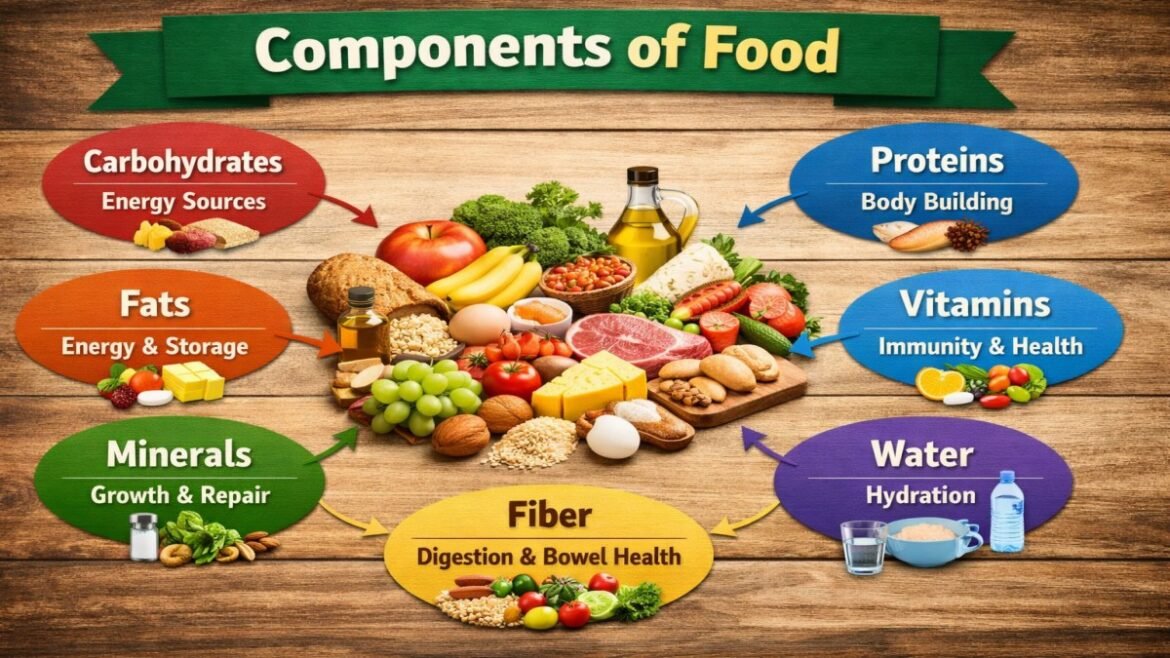
Introduction to the Components of Food
Ever wondered what’s really inside the food on your plate? We eat every day, but do we truly understand what fuels our body? Food isn’t just about taste or filling your stomach. It’s about nourishment, energy, growth, and protection.
The components of food are the essential substances that our body needs to function properly. These include carbohydrates, proteins, fats, vitamins, minerals, water, and fiber. Each one plays a unique role, like members of a well-coordinated team.
Why Understanding Components of Food Matters
Imagine driving a car without knowing what fuel it needs. Sounds risky, right? Your body works the same way. When you understand what food components do, you make smarter choices. You know what to eat more of, what to limit, and how to balance your meals.
The Role of Nutrients in Our Daily Life
Nutrients are the chemical substances in food that keep us alive and healthy. They help us grow, repair tissues, fight diseases, and stay active. Without the right balance, our body simply can’t perform at its best.
Carbohydrates – The Body’s Main Energy Source
Carbohydrates often get a bad reputation, but they are your body’s primary source of energy. Think of them as the fuel that keeps your engine running.
Types of Carbohydrates
Simple Carbohydrates
These are sugars found in fruits, milk, and sweets. They provide quick energy. While natural sugars in fruits are healthy, too much added sugar can lead to weight gain and health problems.
Complex Carbohydrates
These include whole grains, vegetables, and legumes. They break down slowly, providing steady energy. Unlike simple carbs, they keep you full longer.
Functions of Carbohydrates in the Body
Carbohydrates:
- Provide energy
- Support brain function
- Prevent protein from being used as energy
- Help in digestion when combined with fiber
Without carbs, you’d feel tired and sluggish. Ever skipped breakfast and felt low on energy? That’s your body missing its fuel.
Proteins – The Building Blocks of Life
If carbohydrates are fuel, proteins are the bricks that build your body. They are essential for growth and repair.
Sources of Protein
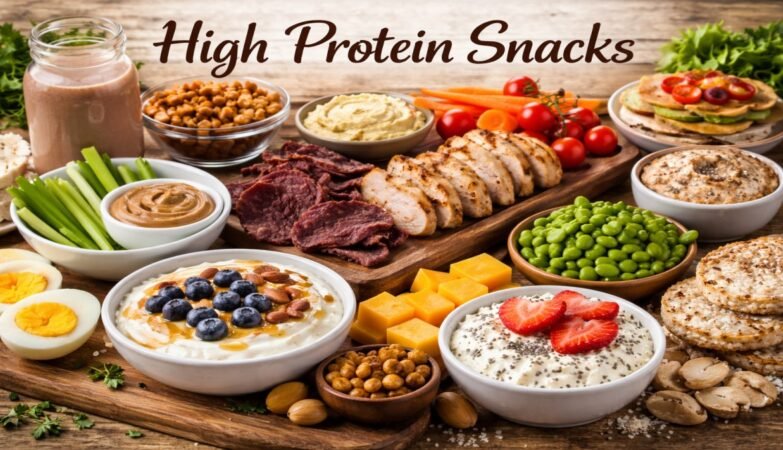
Proteins are found in:
- Meat and poultry
- Fish
- Eggs
- Dairy products
- Beans and lentils
- Nuts and seeds
Both animal and plant sources can provide adequate protein when eaten in balance.
Functions of Proteins
Proteins:
- Build and repair tissues
- Support muscle growth
- Produce enzymes and hormones
- Strengthen the immune system
Without protein, your body can’t repair itself properly. That small cut on your skin? Protein helps heal it.
Essential and Non-Essential Amino Acids
Proteins are made of amino acids. Some are essential, meaning your body can’t make them—you must get them from food. Others are non-essential because your body can produce them.
Fats – The Misunderstood Nutrient
For years, fats were blamed for weight gain and heart disease. But not all fats are bad. In fact, your body needs them.
Types of Fats
Saturated Fats
Found in butter, cheese, and red meat. They should be consumed in moderation.
Unsaturated Fats
These are healthy fats found in olive oil, nuts, seeds, and fish. They support heart health.
Trans Fats
These are artificial fats found in processed foods. They are harmful and should be avoided.
Importance of Healthy Fats
Fats:
- Store energy
- Protect organs
- Help absorb fat-soluble vitamins
- Support brain function
Think of healthy fats as insulation for your body. They protect and support vital systems.
Conclusion
The components of food are more than just scientific terms—they are the foundation of life. Carbohydrates fuel you. Proteins build you. Fats protect you. Vitamins and minerals regulate you. Water sustains you. Fiber cleans you.
When you understand what each component does, you take control of your health. Balanced meals aren’t complicated—they’re about including all these nutrients in the right proportions. So next time you sit down to eat, ask yourself: Is this meal nourishing my body or just filling my stomach?
Your body deserves the best fuel. Choose wisely.
Frequently Asked Questions (FAQs)
1. What are the main components of food?
The main components are carbohydrates, proteins, fats, vitamins, minerals, water, and fiber.
2. Which component of food gives the most energy?
Carbohydrates are the primary source of energy, while fats provide more energy per gram but are used differently by the body.
3. Why are vitamins important if needed in small amounts?
Even in small quantities, vitamins regulate vital body functions and prevent deficiencies.
4. Can we survive without fats in our diet?
No. Healthy fats are essential for brain function, hormone production, and vitamin absorption.
5. How much water should we drink daily?
On average, 6–8 glasses per day are recommended, but needs vary depending on age, activity level, and climate.