Introduction to the Cockscomb Flower
What Is a Cockscomb Flower?
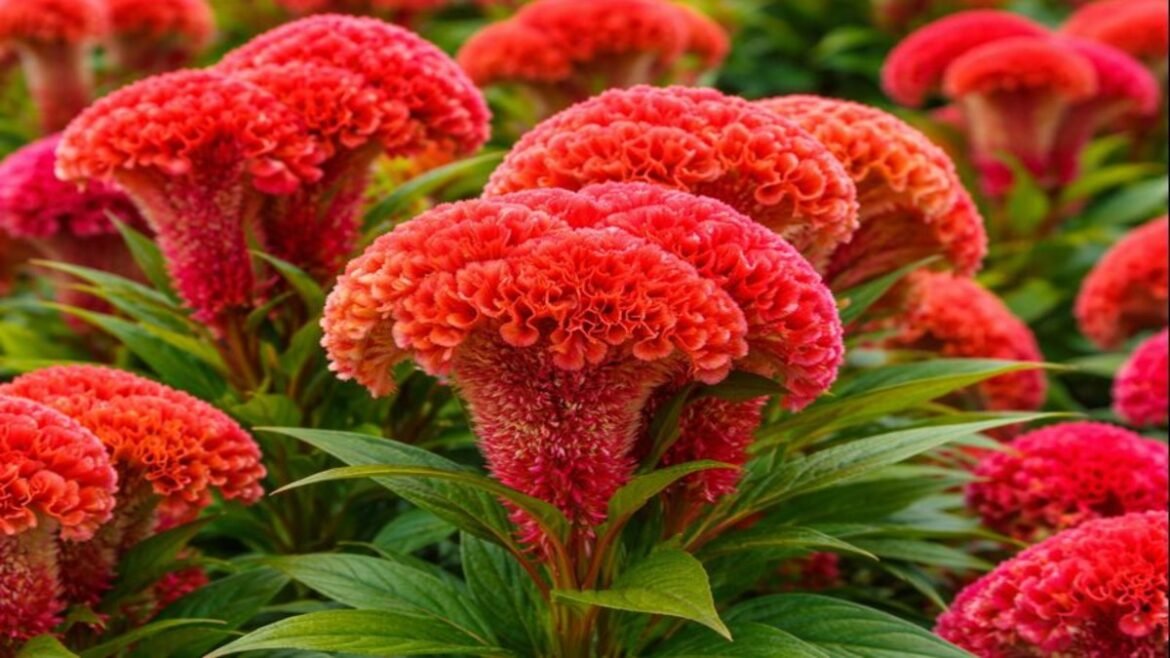
The cockscomb flower is one of nature’s most dramatic creations. With its velvety, brain-like folds that resemble a rooster’s comb, this flower doesn’t whisper for attention it shouts. Known scientifically as Celosia, the cockscomb flower brings bold color, unusual texture, and undeniable personality to any garden.
Why the Cockscomb Flower Stands Out
In a world full of roses and daisies, the cockscomb is a rebel. Its sculptural form and fiery colors—reds, yellows, oranges, pinks, and purples—make it impossible to ignore. If flowers were fashion statements, cockscomb would be haute couture.
Origin and History of the Cockscomb Flower
Native Regions and Early Cultivation
Cockscomb flowers trace their roots to tropical regions of Africa, Asia, and South America. Warm climates helped this plant thrive, and humans quickly noticed its ornamental potential.
Cultural Importance Across Civilizations
From ancient Asian gardens to African landscapes, cockscomb has been admired for centuries. It was often grown near homes, symbolizing beauty and resilience.
Symbolism in Different Cultures
In many cultures, cockscomb represents boldness, affection, and immortality. Its flame-like appearance often symbolizes passion and strength.
Botanical Overview of Cockscomb
Scientific Name and Classification
The cockscomb belongs to the Amaranthaceae family, with Celosia cristata being the most recognizable variety.
Growth Habit and Plant Structure
This upright plant features thick stems, lush green leaves, and a heavy flower head that looks almost sculpted.
Annual vs Perennial Nature
Cockscomb is usually grown as an annual, but in warm climates, it may behave like a short-lived perennial.
Types of Cockscomb Flowers
Crested Cockscomb (Celosia cristata)
This is the classic brain-shaped variety that most people recognize instantly.
Plumed Cockscomb (Celosia plumosa)
Feathery and flame-like, these look like colorful torches rising from the ground.
Spiked Cockscomb (Celosia spicata)
More subtle and wheat-like, perfect for modern garden designs.
Color Variations and Patterns
From neon pinks to deep burgundy, cockscomb flowers come in a painter’s palette of shades.
Physical Characteristics of the Cockscomb Flower
Flower Shape and Texture
The flower feels velvety, almost like suede. Its folds are dense and intricate, giving it a unique tactile appeal.
Leaf and Stem Description
Leaves are lance-shaped and vibrant green, while stems are sturdy enough to support the heavy blooms.
Height and Spread
Most varieties grow between 12 to 30 inches tall, depending on the type.
Growing Conditions for Cockscomb Flowers
Ideal Climate and Temperature
Cockscomb loves warmth. Think of it as a sun worshipper—it thrives in hot, humid conditions.
Soil Requirements
Well-draining, fertile soil is ideal. Too much water can cause root rot.
Sunlight and Water Needs
Full sun is non-negotiable. Water regularly, but don’t drown it.
How to Plant Cockscomb Flowers
Seed Selection and Preparation
Choose high-quality seeds. Soaking them briefly can improve germination.
Planting Steps
Sow seeds shallowly and keep soil warm and moist until sprouts appear.
Spacing and Depth Guidelines
Leave enough space—crowding leads to weak growth.
Caring for Cockscomb Plants
Watering Schedule
Water when the topsoil feels dry. Consistency is key.
Fertilization Tips
A balanced fertilizer every few weeks boosts flower production.
Pruning and Deadheading
Remove spent blooms to encourage new growth.
Common Pests and Diseases
Insects That Affect Cockscomb
Aphids and spider mites are the usual troublemakers.
Fungal and Bacterial Issues
Overwatering invites fungal problems.
Prevention and Treatment Methods
Good airflow and proper watering solve most issues.
Uses of the Cockscomb Flower
Ornamental and Landscaping Uses
Perfect for borders, beds, and focal points.
Cut Flowers and Floral Arrangements
They last long in vases and dry beautifully.
Medicinal and Traditional Uses
In some cultures, parts of the plant are used in traditional remedies.
Cockscomb Flower in Gardening Design
Companion Plants
Pair with marigolds, zinnias, or ornamental grasses.
Container Gardening
Excellent choice for pots and balconies.
Urban and Home Gardens
Low maintenance and high impact—ideal for city gardens.
Harvesting and Preserving Cockscomb Flowers
When and How to Harvest
Cut blooms at peak color.
Drying and Preservation Techniques
Hang upside down in a dry, dark place.
Benefits of Growing Cockscomb Flowers
Aesthetic and Emotional Benefits
Bright colors uplift mood instantly.
Environmental Advantages
Low water needs once established.
Pollinator-Friendly Nature
Attracts bees & butterflies.
Conclusion
The cockscomb flower is not just a plant—it’s a statement. Bold, vibrant, and unforgettable, it brings drama and joy wherever it grows. Whether you’re a seasoned gardener or a beginner, this flower rewards you with color, texture, and personality like no other.
FAQs
1. Is the cockscomb flower easy to grow?
Yes, especially in warm, sunny conditions.
2. Can cockscomb flowers be grown in pots?
Absolutely, they thrive in containers.
3. How long do cockscomb flowers last?
Blooms can last several weeks.
4. Are cockscomb flowers edible?
Some varieties are edible, but check before consumption.
5. Do cockscomb flowers attract pollinators?
Yes, bees and butterflies love them.