Introduction to the Black Leopard
The black leopard is nature’s quiet mystery—moving like a shadow through dense forests, rarely seen but never forgotten. Its dark coat, glowing eyes, and ghost-like presence have earned it names like the phantom of the jungle. For wildlife lovers, spotting a black leopard is like finding a hidden treasure.
Why the Black Leopard Fascinates the World
What makes this animal so captivating is its rarity. You could spend years in the wild and never see one. Add to that its sleek black appearance, and it’s no surprise the black leopard feels almost mythical.
Myth vs Reality
Many people think black leopards are a separate species or even imaginary creatures. In reality, they are very real—and scientifically fascinating.
What Is a Black Leopard?
A black leopard is simply a leopard (Panthera pardus) with a genetic condition called melanism, which causes excessive dark pigmentation.
Scientific Explanation
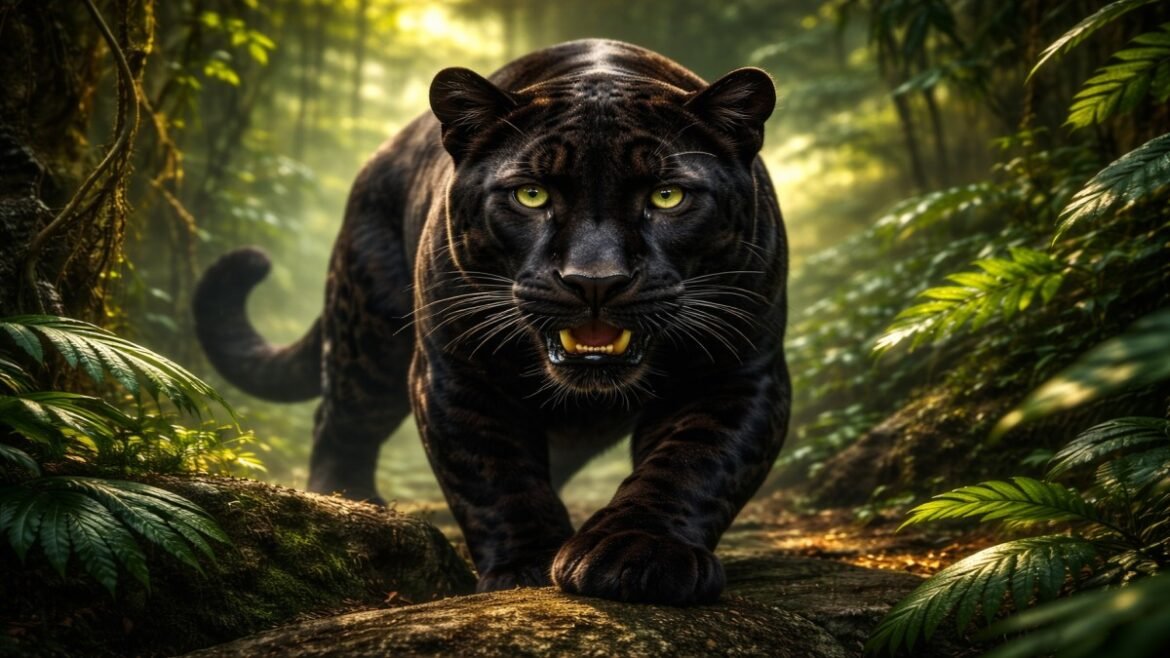
Melanism increases melanin levels in the skin and fur. Under bright light, you can still see the leopard’s rosette patterns, proving it’s a leopard—not a different animal.
Is It a Separate Species?
No. The black leopard is not a separate species. It is a color variation of the common leopard.
Melanism in Leopards
Genetic Causes of Melanism
Melanism is caused by a recessive gene. Both parents must carry the gene for a cub to be born black.
Advantages of a Dark Coat
A black coat isn’t just stylish—it’s strategic.
Camouflage and Survival
In dark forests, black leopards blend perfectly with shadows, giving them an edge while hunting and avoiding threats.
Physical Characteristics
Coat Color and Rosette Patterns
At first glance, the coat looks jet black. Look closer, and you’ll notice faint rosettes—like a secret code written into the fur.
Size, Weight, and Build
- Length: 4–6 feet (excluding tail)
- Weight: 30–90 kg
- Build: Muscular, flexible, and agile
Vision, Claws, and Teeth
Exceptional night vision, retractable claws, and powerful jaws make black leopards deadly hunters.
Black Leopard vs Black Panther
Understanding the Terminology
“Black panther” is a general term, not a species. It refers to melanistic big cats.
Leopard vs Jaguar Differences
- Black Leopard: Found in Africa and Asia
- Black Jaguar: Found in the Americas
Jaguar rosettes are larger and contain central spots.
Habitat and Distribution
Forests and Mountain Regions
Black leopards prefer dense forests where shadows are their allies.
Countries Where Black Leopards Are Found
- India (Western Ghats, Northeast)
- Sri Lanka
- Malaysia
- Indonesia
- Rare cases in Africa
Why They Prefer Dense Forests
Thick vegetation enhances camouflage and hunting success.
Behavior and Lifestyle
Solitary Nature
Black leopards prefer solitude, meeting others only during mating season.
Nocturnal Habits
They’re most active at night, when their dark coats make them nearly invisible.
Territorial Behavior
They mark territory using scent markings and claw scratches.
Diet and Hunting Techniques
Typical Prey
- Deer
- Wild boar
- Monkeys
- Birds
- Small mammals
Ambush Hunting Style
They stalk silently, then strike with explosive speed.
Role of Stealth
Stealth is their superpower—most prey never see them coming.
Reproduction and Life Cycle
Mating Behavior
Mating occurs year-round, with brief but intense courtship.
Cubs and Parenting
Cubs are born blind and rely completely on their mother.
Lifespan in the Wild and Captivity
- Wild: 12–15 years
- Captivity: Up to 20 years
Ecological Importance
Role as an Apex Predator
Black leopards regulate prey populations and prevent overgrazing.
Maintaining Ecosystem Balance
Their presence signals a healthy ecosystem.
Conservation Status
Threats to Black Leopards
- Habitat loss
- Poaching
- Human-wildlife conflict
- Decline in prey
Human-Wildlife Conflict
Encroachment into forests increases encounters and risk.
IUCN Status of Leopards
Leopards are listed as Vulnerable, meaning protection is critical.
Black Leopards in Culture and Folklore
Symbolism Across Cultures
They symbolize power, mystery, and protection.
Legends and Stories
Often seen as guardians of forests or spiritual beings.
Sightings and Rarity
Why Black Leopards Are Rare
Melanism is uncommon, and habitat fragmentation limits breeding.
Famous Sightings Around the World
Recent sightings in India have sparked global excitement.
Conclusion
The black leopard is a living shadow—rare, powerful, and essential to the wild. More than just a color variation, it represents nature’s brilliance and adaptability. Protecting black leopards means protecting forests, biodiversity, and the future of wildlife itself.
Frequently Asked Questions (FAQs)
1. Is a black leopard the same as a panther?
A black leopard is often called a black panther, but “panther” is a general term.
2. How rare is a black leopard?
Extremely rare, especially outside dense Asian forests.
3. Are black leopards dangerous?
They avoid humans and attacks are very rare.
4. Can black leopards be kept in zoos?
Yes, but they are uncommon and best protected in the wild.
5. Why do black leopards have spots?
The spots are still there—just hidden under dark pigmentation.