Have you ever chewed on fennel seeds after a meal at a restaurant? That sweet, slightly licorice-like flavor isn’t just refreshing — it’s incredibly beneficial for your health.
Fennel seeds may look small, but they pack a powerful punch. Used for centuries in traditional medicine, cooking, and natural remedies, these tiny seeds are far more than just a mouth freshener.
Let’s explore everything you need to know about fennel seeds from nutrition and benefits to how you can use them daily.
What Are Fennel Seeds?
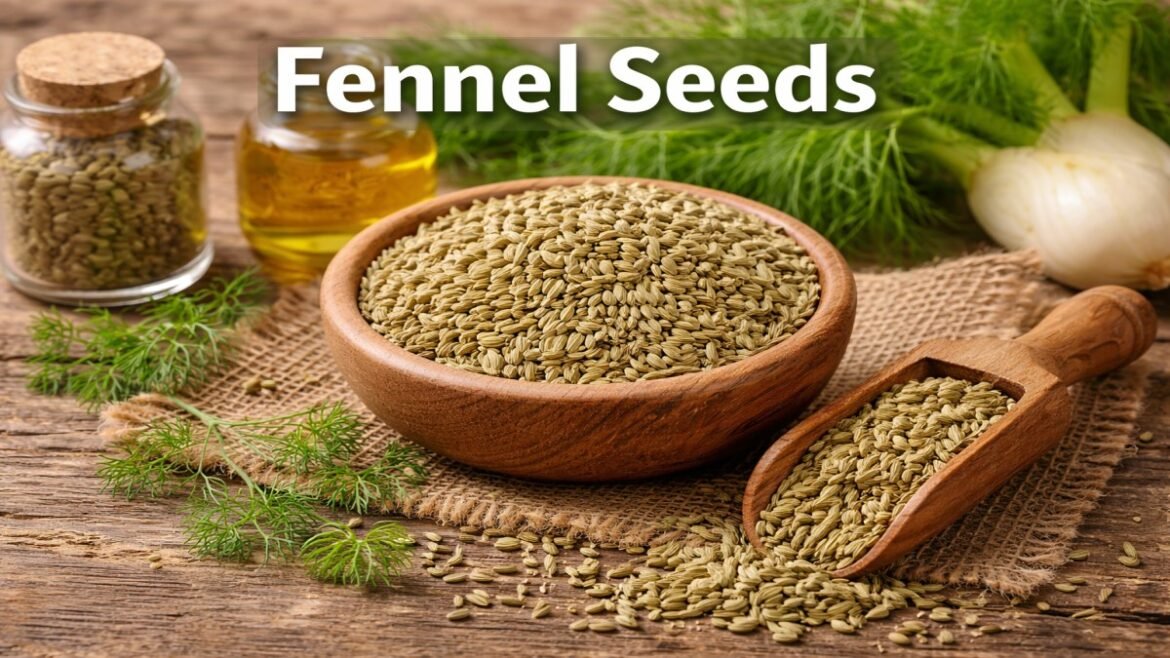
Fennel seeds come from the fennel plant (Foeniculum vulgare), a flowering herb native to the Mediterranean region. The plant produces aromatic seeds that are widely used in Indian, Middle Eastern, and European cuisines.
They are slightly sweet, aromatic, and carry a mild anise-like flavor.
In Ayurveda and traditional Chinese medicine, fennel seeds have been used as a digestive aid and healing spice for centuries.
Nutritional Value of Fennel Seeds
Let’s break down what makes fennel seeds nutritionally impressive.
Per 1 Tablespoon (Approx. 6 grams):
- Calories: ~20
- Fiber: 2 grams
- Carbohydrates: 3 grams
- Vitamin C
- Calcium
- Iron
- Magnesium
- Potassium
- Antioxidants
They are particularly rich in fiber and plant compounds like flavonoids and polyphenols.
Think of fennel seeds as tiny capsules of nutrients.
Top Health Benefits of Fennel Seeds
Now comes the interesting part — what can fennel seeds actually do for your body?
1. Supports Healthy Digestion
This is the most well-known benefit.
Fennel seeds help:
- Reduce bloating
- Relieve gas
- Improve bowel movement
- Ease stomach cramps
They stimulate digestive enzymes, making food breakdown smoother and more efficient.
No wonder they’re served after meals.
2. Helps Reduce Bloating and Gas
Feeling uncomfortable after a heavy meal?
Chewing fennel seeds can relax the gastrointestinal muscles and prevent gas formation. It’s like giving your stomach a gentle massage from the inside.
3. Rich in Antioxidants
Fennel seeds contain powerful antioxidants like quercetin and chlorogenic acid.
These compounds help fight free radicals, protecting your cells from damage and supporting long-term health.
4. May Support Weight Management
Fennel seeds are high in fiber, which helps you feel full for longer.
When you feel satisfied, you’re less likely to snack unnecessarily. Simple, right?
Drinking fennel tea may also help reduce water retention.
5. Supports Heart Health
Potassium in fennel seeds helps regulate blood pressure.
Fiber supports cholesterol balance.
Together, they contribute to a healthier cardiovascular system.
6. Promotes Hormonal Balance
In traditional medicine, fennel seeds are known for supporting women’s hormonal health.
They may help:
- Reduce menstrual cramps
- Regulate cycles
- Ease menopause symptoms
The plant compounds mimic mild estrogen-like effects.
7. Freshens Breath Naturally
Bad breath often starts in the gut.
Fennel seeds not only improve digestion but also have antimicrobial properties that help eliminate odor-causing bacteria.
Fresh breath without artificial chemicals? Yes, please.
8. Supports Immune Function
Thanks to vitamin C and antioxidants, fennel seeds contribute to a stronger immune response.
Small seeds, strong defense.
9. May Help Control Blood Sugar
Some studies suggest fennel seeds may help regulate blood sugar levels.
While they’re not a substitute for medical treatment, they can be a supportive addition to a balanced diet.
10. Anti-Inflammatory Properties
Chronic inflammation is linked to many health problems.
The natural compounds in fennel seeds may help reduce inflammation in the body.
How to Use Fennel Seeds Daily
Adding fennel seeds to your routine is surprisingly easy.
1. Chew Them Raw
The simplest method. Take ½ teaspoon after meals.
2. Make Fennel Tea
Boil 1 teaspoon of crushed fennel seeds in a cup of water for 5–10 minutes.
Strain and drink warm.
Perfect for digestion and relaxation.
3. Add to Cooking
Use fennel seeds in:
- Curries
- Soups
- Breads
- Pickles
- Roasted vegetables
They add both flavor and health benefits.
Conclusion
Fennel seeds are one of nature’s simplest yet most effective digestive and wellness aids. From improving digestion and reducing bloating to supporting heart health and immunity, these tiny seeds offer impressive benefits.
The best part? They’re affordable, widely available, and easy to use.
Sometimes the most powerful remedies aren’t complicated. They’re small, natural, and sitting quietly in your kitchen.
Why not start today?
FAQs About Fennel Seeds
1. Can I eat fennel seeds every day?
Yes, consuming small amounts daily is generally safe and beneficial.
2. Are fennel seeds good for weight loss?
They may help reduce bloating and promote fullness, which can support weight management.
3. What is the best time to consume fennel seeds?
After meals for digestion or in the morning as fennel water.
4. Do fennel seeds help with menstrual cramps?
They may help relax muscles and reduce discomfort due to mild estrogen-like effects.
5. Can fennel seeds improve skin health?
Yes, their antioxidants and detoxifying properties may support clearer skin over time.