
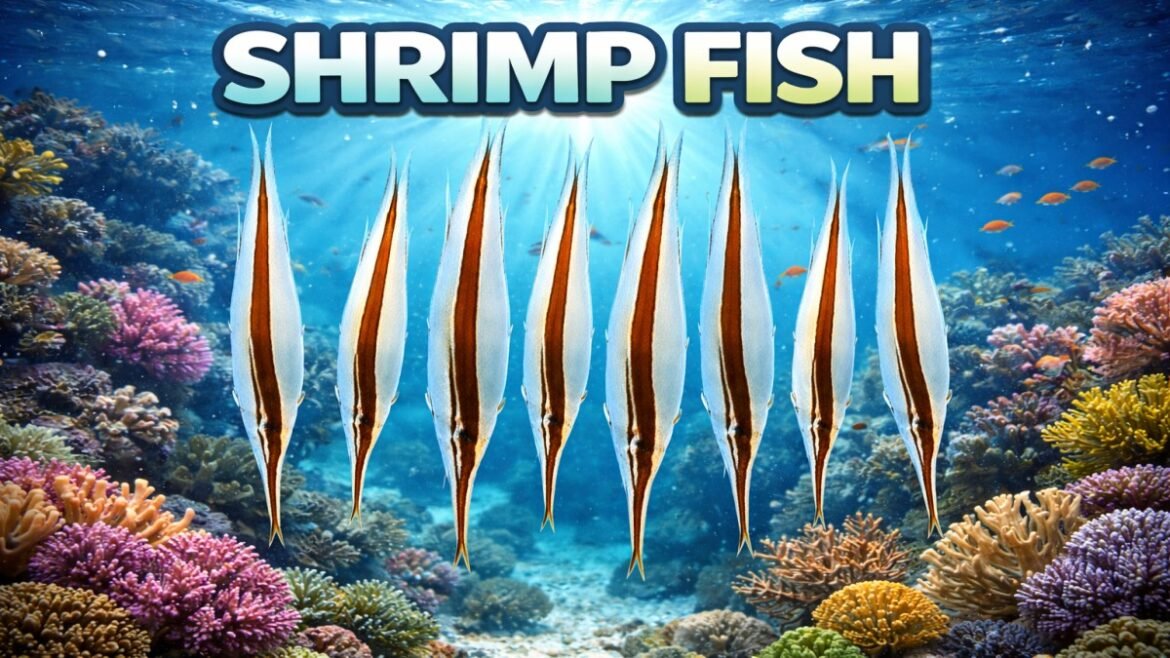
Shrimp fish might sound like a simple seafood term, but there’s a whole world hiding behind it. From oceans and rivers to dinner plates and global trade, shrimp play a massive role in nature and human life. Whether you love shrimp curries, grilled prawns, or crispy fried shrimp, this tiny creature packs a big punch. Let’s dive deep and uncover everything you need to know about shrimp fish.
What Is Shrimp Fish?
Understanding the Term “Shrimp Fish”
The term shrimp fish is commonly used to describe shrimp as a food source rather than a scientific category. Shrimp are small, swimming crustaceans that belong to the seafood family and are enjoyed worldwide for their taste and nutrition.
Is Shrimp a Fish or Seafood?
Here’s the twist—shrimp are not fish. They are crustaceans, related to crabs and lobsters. However, in everyday language and cooking, shrimp are often grouped under “fish” or “seafood” because they live in water and are harvested similarly.
Scientific Classification of Shrimp
Kingdom to Species Breakdown
Shrimp belong to the kingdom Animalia, phylum Arthropoda, and class Malacostraca. Their hard exoskeleton and jointed legs set them apart from true fish.
Difference Between Shrimp and Prawns
Shrimp and prawns look similar, but they differ in body structure, habitat, and gill formation. Shrimp are more commonly found in saltwater, while prawns prefer freshwater—though both are delicious.
Types of Shrimp Fish
Marine Shrimp
Marine shrimp live in oceans and seas. These are the most commonly consumed types and include tiger shrimp, white shrimp, and pink shrimp.
Freshwater Shrimp
Freshwater shrimp thrive in rivers, lakes, and ponds. They’re often used in aquariums and local cuisines.
Popular Edible Shrimp Varieties
Some popular varieties include:
- Tiger shrimp
- Whiteleg shrimp
- Brown shrimp
- Rock shrimp
Each variety offers a unique flavor and texture.
Habitat and Distribution
Ocean and Coastal Habitats
Shrimp are found worldwide, from shallow coastal waters to deep oceans. They often hide among sand, rocks, or coral reefs.
Rivers, Lakes, and Aquaculture Farms
Many shrimp now come from aquaculture farms, especially in Asia. Farming helps meet global demand and reduces pressure on wild populations.
Physical Characteristics of Shrimp
Size, Color, and Body Structure
Shrimp usually range from 1 to 8 inches long. Their bodies are translucent, pink, brown, or gray, depending on species and environment.
How Shrimp Adapt to Their Environment
Shrimp can camouflage themselves, swim backward, and molt their shells to grow. Think of them as tiny underwater survival experts.
Shrimp Fish Diet and Feeding Habits
What Do Shrimp Eat in the Wild?
Shrimp are omnivores. They feed on algae, plankton, tiny fish, and organic debris.
Feeding in Shrimp Farming
In farms, shrimp are fed specially formulated pellets to ensure fast growth and high nutritional quality.
Nutritional Value of Shrimp Fish
Vitamins and Minerals
Shrimp are rich in vitamin B12, iodine, selenium, and zinc—nutrients essential for metabolism and immunity.
Protein and Low-Calorie Benefits
Shrimp are high in protein and low in calories, making them perfect for healthy diets and fitness goals.
Health Benefits of Eating Shrimp
Heart Health
Omega-3 fatty acids in shrimp support heart health and help reduce inflammation.
Brain and Eye Support
Shrimp contain antioxidants like astaxanthin, which support brain function and eye health.
Weight Management Benefits
Low in fat and high in protein, shrimp help you feel full without adding extra calories.
Shrimp Fish in Global Cuisine
Popular Shrimp Dishes Around the World
From shrimp scampi in Italy to prawn curry in South Asia, shrimp are culinary superstars.
Shrimp in Asian, Western, and Coastal Foods
Grilled, fried, steamed, or curried—shrimp adapt to every cooking style like a culinary chameleon.
Shrimp Farming and Aquaculture
How Shrimp Are Farmed
Shrimp farming involves controlled ponds, feeding systems, and water management to ensure healthy growth.
Sustainable Shrimp Farming Practices
Eco-friendly farms use low antibiotics, clean water systems, and responsible harvesting methods.
Conclusion
Shrimp fish may be small, but their impact is huge—from nutrition and cuisine to global trade and ecosystems. They’re tasty, healthy, and versatile, making them a favorite worldwide. When consumed responsibly and sourced sustainably, shrimp can remain a delicious gift from our waters for generations to come.
FAQs
1. Is shrimp fish healthy to eat regularly?
Yes, shrimp are healthy when eaten in moderation and cooked properly.
2. Are shrimp and prawns the same?
No, they are similar but differ in anatomy and habitat.
3. Can shrimp be eaten on a weight-loss diet?
Absolutely. Shrimp are low in calories and high in protein.
4. Is farmed shrimp safe to eat?
Yes, especially when sourced from certified sustainable farms.
5. How can I tell if shrimp have gone bad?
A strong ammonia smell, slimy texture, or discoloration indicates spoilage.