Introduction to Barbados Cherry
What Is Barbados Cherry?
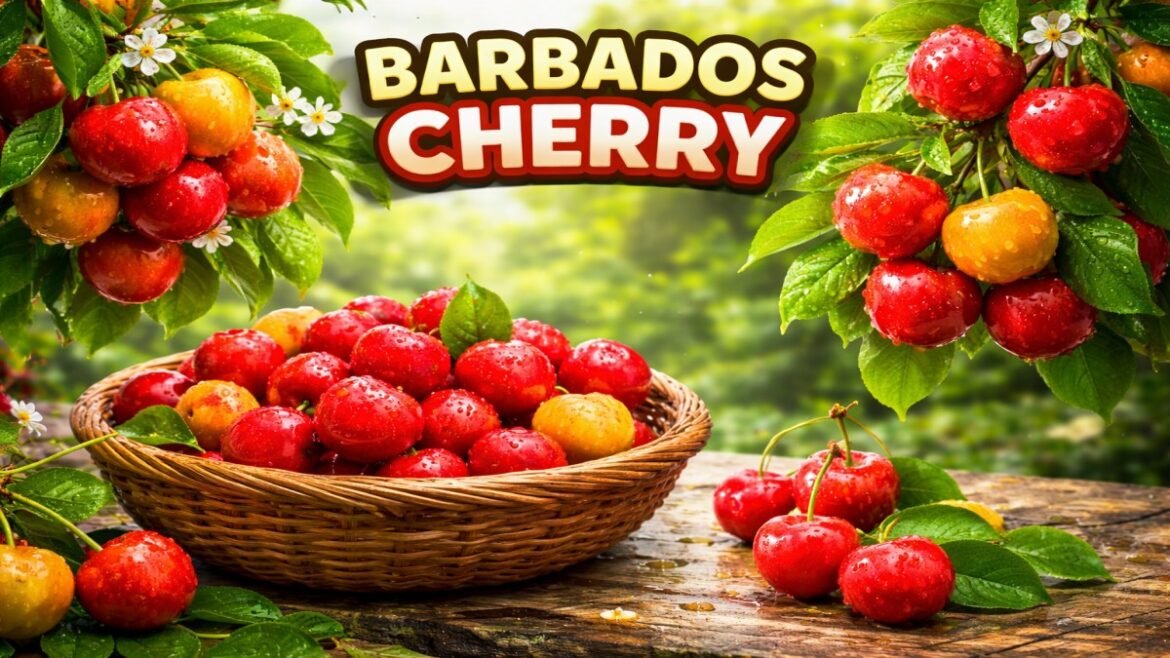
Let’s talk about a tiny fruit that packs a giant punch. Barbados cherry, also known as acerola, is a small red fruit that looks like a regular cherry—but don’t let its size fool you. This tropical fruit is one of the richest natural sources of vitamin C in the world. In fact, it contains up to 50–100 times more vitamin C than an orange. Yes, you read that right.
It grows on a small shrub and thrives in warm climates. Bite into one, and you’ll taste a sweet-tart explosion that feels like sunshine wrapped in a berry.
Other Names and Scientific Classification
Barbados cherry goes by several names:
- Acerola cherry
- West Indian cherry
- Malpighia emarginata (its scientific name)
It belongs to the Malpighiaceae family and is native to tropical regions of the Americas.
Origin and History
Native Regions
Barbados cherry originated in the Caribbean, Central America, and parts of South America. Countries like Brazil, Mexico, and Jamaica have cultivated it for centuries.
Today, Brazil is one of the largest producers of acerola worldwide.
Cultural and Traditional Uses
Traditionally, this fruit has been used in folk medicine to treat:
- Colds
- Fever
- Digestive problems
Before vitamin C supplements existed, people relied on fruits like acerola to strengthen immunity naturally.
Nutritional Profile of Barbados Cherry
Here’s where things get exciting.
Vitamin C Content
One cup (about 98 grams) of fresh Barbados cherry can contain 1,600–2,000 mg of vitamin C. For comparison:
- One orange contains about 70 mg of vitamin C.
- The recommended daily intake for adults is about 75–90 mg.
That means just a handful of acerola can cover your daily needs many times over.
Other Essential Nutrients
It’s not just vitamin C.
Antioxidants
Barbados cherry contains:
- Anthocyanins
- Flavonoids
- Carotenoids
These antioxidants help fight free radicals, which damage cells and accelerate aging.
Minerals and Phytonutrients
It also provides:
- Vitamin A
- B vitamins
- Iron
- Calcium
- Magnesium
Think of it as a multivitamin disguised as fruit.
Health Benefits of Barbados Cherry
Boosting Immunity
Thanks to its sky-high vitamin C levels, Barbados cherry strengthens your immune system. Vitamin C stimulates white blood cell production, helping your body fight infections more effectively.
Feeling a cold coming on? Acerola might be your secret weapon.
Supporting Skin Health
Want glowing skin? Vitamin C plays a key role in collagen production. Collagen keeps your skin firm and elastic.
Regular consumption may:
- Reduce wrinkles
- Improve skin brightness
- Support wound healing
It’s like skincare from the inside out.
Improving Digestion
Barbados cherry contains dietary fiber, which supports healthy digestion and prevents constipation. It also promotes gut-friendly bacteria.
Heart Health Benefits
Antioxidants in acerola help reduce oxidative stress, which is linked to heart disease. Vitamin C may also support healthy blood pressure levels.
Anti-Inflammatory Properties
Chronic inflammation is at the root of many diseases. The phytonutrients in Barbados cherry help reduce inflammation naturally.
Potential Anti-Aging Effects
Because of its antioxidant strength, acerola helps combat premature aging. Think of it as armor for your cells.
Barbados Cherry vs. Regular Cherry
Nutritional Differences
Regular cherries are nutritious, but acerola is in a different league when it comes to vitamin C.
- Regular cherry: ~10 mg vitamin C per 100g
- Barbados cherry: Up to 1,500 mg per 100g
That’s a massive difference.
Taste and Texture Comparison
Regular cherries are sweet and firm. Barbados cherry is softer, juicier, and has a sharper tang.
It’s less dessert-like and more refreshing.
Conclusion
Barbados cherry may be small, but it’s a nutritional giant. Packed with up to 100 times more vitamin C than oranges, loaded with antioxidants, and bursting with tropical flavor, this fruit is a true superfood.
Whether you’re boosting immunity, improving skin health, or simply adding more nutrients to your diet, acerola is worth considering. Nature rarely creates something this powerful in such a tiny package.
FAQs
1. Is Barbados cherry the same as regular cherry?
No. Barbados cherry (acerola) is a tropical fruit rich in vitamin C, while regular cherries belong to a different species and contain much less vitamin C.
2. How much vitamin C does Barbados cherry contain?
It can contain up to 1,500–2,000 mg per 100 grams, making it one of the richest natural sources of vitamin C.
3. Can I eat Barbados cherry every day?
Yes, in moderation. Avoid exceeding 2,000 mg of vitamin C daily to prevent side effects.
4. Is Barbados cherry good for skin?
Yes. Its high vitamin C content supports collagen production, which promotes healthy and youthful skin.
5. Where can I buy Barbados cherry?
You can find it in tropical regions, specialty fruit markets, health stores, or in supplement form online.