Introduction to Cotton Thread
What Is Cotton Thread?
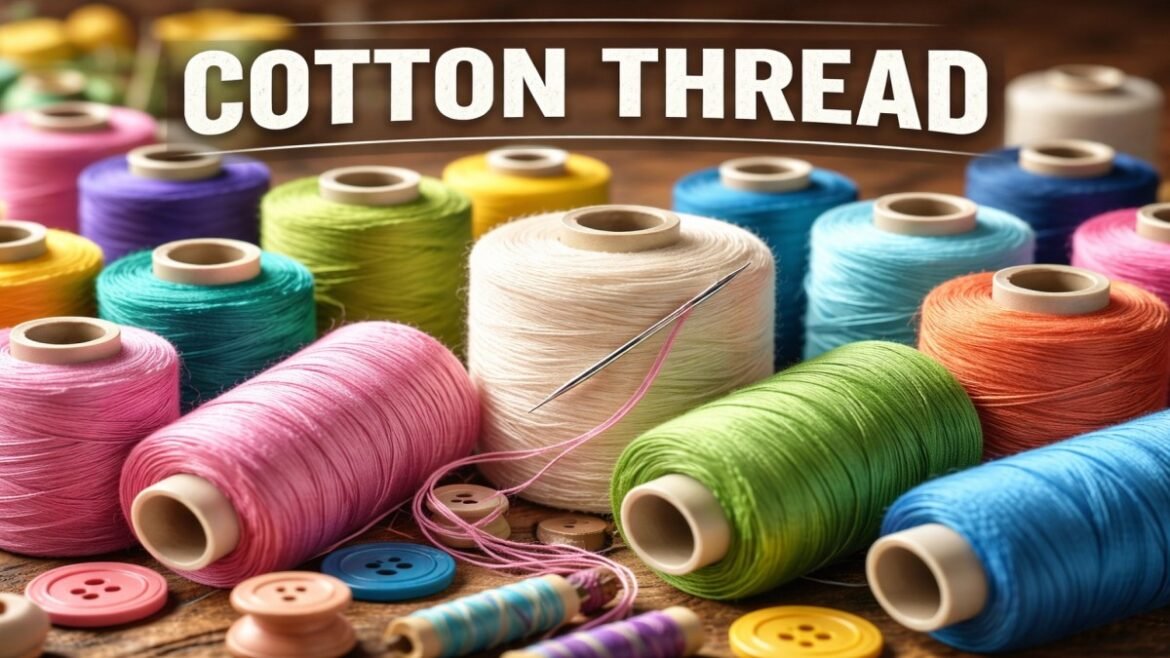
Cotton thread is a strand of twisted cotton fibers used primarily for sewing, stitching, embroidery, and various textile applications. Simple, right? But don’t let its simplicity fool you. This humble thread is the unsung hero holding garments, quilts, and crafts together literally.
Why Cotton Thread Still Matters Today
In a world flooded with synthetic materials, cotton thread remains a favorite. Why? Because it breathes, it’s gentle on the skin, and it works beautifully with natural fabrics. Think of it as the reliable old friend who never lets you down.
History of Cotton Thread
Ancient Origins of Cotton Spinning
Cotton thread has roots stretching back thousands of years. Ancient civilizations in India and Egypt were spinning cotton fibers into thread long before modern machinery existed. Back then, every thread told a story of patience and craftsmanship.
Cotton Thread in the Industrial Revolution
Fast forward to the 18th century, and cotton thread became a game changer. The Industrial Revolution mechanized spinning, making thread production faster and more affordable. This shift clothed nations and fueled global trade.
Evolution from Hand-Spun to Machine-Made
From spinning wheels to automated mills, cotton thread evolved dramatically. Yet, its core essence—natural, versatile, dependable remained untouched.
How Cotton Thread Is Made
Harvesting Raw Cotton
It all starts in cotton fields. Once the cotton bolls mature, they’re harvested and cleaned to remove seeds and impurities.
Spinning Cotton Fibers into Thread
The cleaned fibers are combed, aligned, and spun into yarn. This step determines the thread’s strength and smoothness.
Twisting, Plying, and Finishing Processes
Multiple strands are twisted together (plying) for added strength, then finished to achieve the desired thickness, sheen, and durability.
Types of Cotton Thread
Mercerized Cotton Thread
This thread is chemically treated to enhance strength, luster, and dye absorption. It’s shiny, strong, and perfect for embroidery.
Unmercerized Cotton Thread
More matte and natural-looking, this type is often used for quilting and general sewing.
Organic Cotton Thread
Made from cotton grown without harmful chemicals, organic cotton thread is a favorite among eco-conscious creators.
Waxed vs. Unwaxed Cotton Thread
Waxed cotton thread is coated for durability and ease of hand stitching, while unwaxed thread is softer and more flexible.
Properties of Cotton Thread
Strength and Durability
Cotton thread is strong enough for most sewing tasks, especially when matched correctly with fabric weight.
Breathability and Softness
Because it’s natural, cotton thread allows air circulation and feels soft ideal for garments worn close to the skin.
Heat Resistance and Dye Absorption
Cotton thread can withstand high ironing temperatures and absorbs dyes beautifully, resulting in rich, lasting colors.
Common Uses of Cotton Thread
Sewing and Tailoring
From hemming pants to tailoring shirts, cotton thread is a staple in sewing rooms worldwide.
Embroidery and Handcrafts
Its smooth texture makes it perfect for decorative stitching and intricate designs.
Quilting and Patchwork
Quilters love cotton thread because it blends seamlessly with cotton fabrics.
Industrial and Medical Uses
Beyond fashion, cotton thread is used in bookbinding, surgical sutures, and specialty industrial applications.
Cotton Thread vs Other Threads
Cotton vs Polyester Thread
Polyester is stronger and more elastic, but cotton wins in breathability and heat resistance.
Cotton vs Silk Thread
Silk thread is luxurious and strong but expensive. Cotton offers a balanced, affordable alternative.
When to Choose Cotton Over Synthetic Threads
If you’re working with natural fabrics or need a thread that presses well, cotton is the way to go.
Benefits of Using Cotton Thread
Eco-Friendly and Biodegradable
Cotton thread breaks down naturally, making it kinder to the planet.
Skin-Friendly and Hypoallergenic
Sensitive skin? Cotton thread won’t irritate or cause discomfort.
Easy to Work With for Beginners
It doesn’t slip or stretch excessively, making it beginner-friendly.
Limitations of Cotton Thread
Shrinkage Issues
Cotton can shrink when exposed to heat and moisture, so pre-washing is smart.
Lower Elasticity
Unlike synthetic threads, cotton doesn’t stretch much.
Susceptibility to Moisture Damage
Prolonged dampness can weaken cotton fibers over time.
Conclusion
Why Cotton Thread Remains Timeless
Cotton thread isn’t flashy, but it’s dependable. Like a well-worn pair of jeans, it just works. From ancient looms to modern sewing machines, cotton thread continues to stitch the world together one seam at a time.
FAQs
1. Is cotton thread better than polyester?
It depends on the project. Cotton is breathable and heat-resistant, while polyester is stronger and more elastic.
2. Can cotton thread be used for sewing machines?
Yes, high-quality cotton thread works well in most sewing machines.
3. Does cotton thread shrink after washing?
It can shrink slightly, especially if exposed to high heat.
4. What is mercerized cotton thread used for?
It’s commonly used for embroidery and decorative stitching due to its shine and strength.
5. Is organic cotton thread worth it?
Absolutely, especially if you value sustainability and chemical-free materials.