Introduction to Terracotta Clay
Terracotta clay is one of the oldest and most versatile natural clays used by humans. Known for its reddish-brown hue, this clay has been employed for thousands of years in creating everything from functional pottery to grand sculptures and durable building materials. Whether you’re an artist, a DIY enthusiast, or a builder, understanding terracotta clay opens up a world of creativity and practicality.
What is Terracotta Clay?
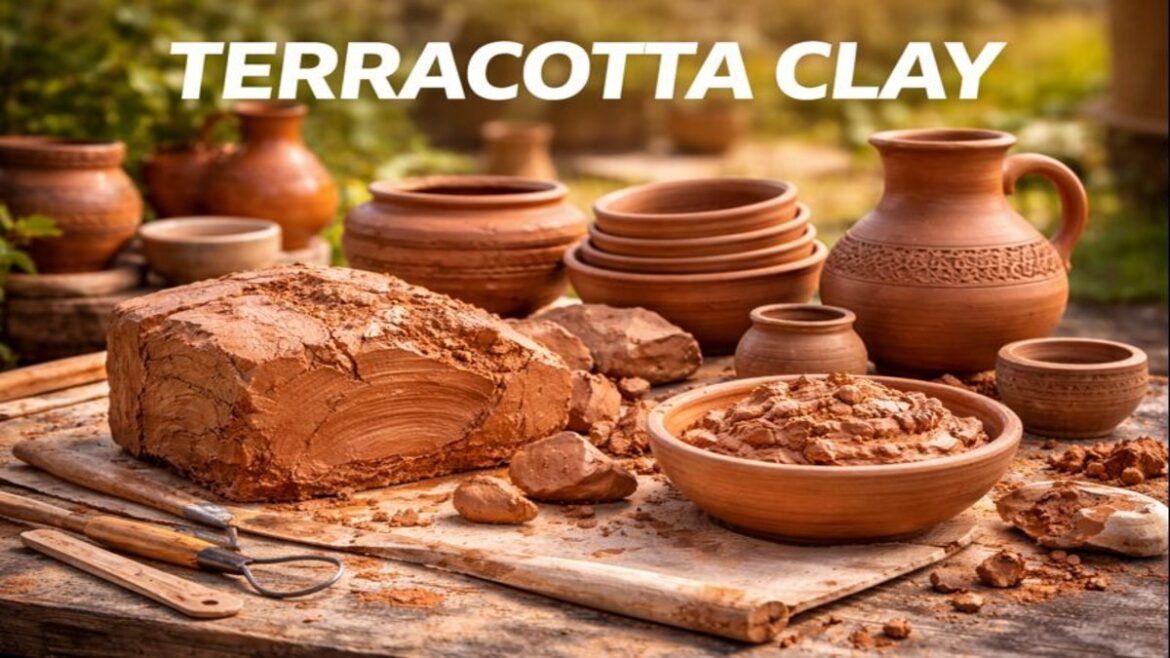
Terracotta, which literally means “baked earth” in Italian, is a type of earthenware made from natural clay and fired at low temperatures. Its distinctive red-orange color comes from the iron content present in the clay.
Brief History and Origin
Terracotta artifacts date back to ancient civilizations like Mesopotamia, India, and China. From the Terracotta Army in China to Indian folk sculptures, terracotta has been cherished across cultures for its accessibility, workability, and durability.
Properties of Terracotta Clay
Terracotta clay is not just visually appealing; its properties make it ideal for both art and construction.
Physical Properties
- Porous yet durable
- Reddish-brown color
- Soft and moldable when wet, hard after firing
Chemical Composition
Primarily made of silica, alumina, and iron oxide, the chemical structure gives terracotta its strength and distinctive coloration.
Texture and Workability
Terracotta is soft enough to mold and sculpt by hand, yet firm enough to hold intricate details, making it a favorite for potters and sculptors.
Types of Terracotta Clay
Terracotta clay comes in multiple types depending on origin and processing.
Natural Terracotta – Sourced from clay-rich soils, ideal for artisanal crafts.
Synthetic Terracotta – Engineered for industrial use, often more consistent in texture.
Commercial vs Artisan Quality – Artisan clay tends to have richer texture and natural impurities, while commercial clay offers uniformity and easier handling.
Terracotta Clay in Art
Terracotta has long been a medium for artistic expression. From figurines to decorative pottery, its versatility makes it invaluable.
Sculptures and Figurines
Artists often use terracotta to craft lifelike figures due to its ability to hold detail and maintain durability.
Pottery and Ceramics
Traditional pots, jars, and vases are still made from terracotta for its rustic charm and functional benefits.
Decorative Items
Terracotta lamps, tiles, and wall hangings add an earthy aesthetic to homes and gardens.
Famous Terracotta Artworks
Terracotta Army of China – Thousands of life-sized soldiers buried with Emperor Qin Shi Huang.
Indian Terracotta Traditions – Folk art like Bengal’s “Terracotta Temples” and Odisha’s clay figurines.
Modern Artistic Uses – Contemporary artists use terracotta for sculptures, jewelry, and installations.
Terracotta Clay in Construction
Terracotta is not only for art it’s widely used in architecture and construction.
Tiles and Bricks
Durable, fire-resistant, and visually appealing, terracotta bricks and tiles are a staple in many cultures.
Architectural Applications
Facade panels, roofing tiles, and decorative elements often use terracotta for its natural insulation and charm.
Advantages Over Other Materials
- Energy-efficient
- Weather-resistant
- Sustainable and eco-friendly
Benefits of Using Terracotta in Buildings
- Thermal Insulation: Keeps interiors cooler in summer and warmer in winter.
- Durability: Lasts decades with minimal maintenance.
- Eco-Friendly Nature: Made from natural clay and often locally sourced.
How to Work With Terracotta Clay
Working with terracotta is both rewarding and simple if you know the right techniques.
Preparing the Clay
Soak and knead until smooth and pliable.
Tools Required
Pottery wheel, sculpting tools, wire cutters, rolling pins, and molds.
Techniques for Sculpting and Pottery
Pinch, coil, slab, and wheel-throwing are common methods to shape terracotta clay.
Firing Terracotta Clay
Traditional Kilns – Sun or wood-fired kilns give authentic earthy tones.
Electric and Gas Kilns – Provide precise temperature control for consistent results.
Temperature Guidelines – Typically fired between 1,000–1,150°C (1,832–2,102°F).
Coloring and Finishing Terracotta
Natural Shades – Red, orange, and brown tones.
Glazing Techniques – Adds waterproofing and aesthetic appeal.
Painting and Sealing – Can be painted with acrylics or sealed with natural oils.
Conclusion
Terracotta clay is a timeless material bridging art, craft, and construction. Its versatility, eco-friendliness, and aesthetic appeal make it ideal for beginners and experts alike. From intricate sculptures to durable bricks, working with terracotta can be a deeply satisfying creative and practical pursuit.
FAQs
1. What is the difference between terracotta and ceramic clay?
Terracotta is a type of ceramic clay fired at lower temperatures, resulting in its reddish hue, while other ceramics may be white or grey and fired at higher temperatures.
2. Can terracotta clay be used for food containers?
Yes, if it’s unglazed and properly fired, but sealed or glazed terracotta is preferred for safety.
3. How long does it take to fire terracotta properly?
Firing usually takes 6–12 hours, depending on kiln type and size of the piece.
4. Is terracotta eco-friendly?
Absolutely, since it’s made from natural clay and often locally sourced.
5. Can beginners work with terracotta clay easily?
Yes, its softness and workability make it ideal for beginners, though practice improves results.