
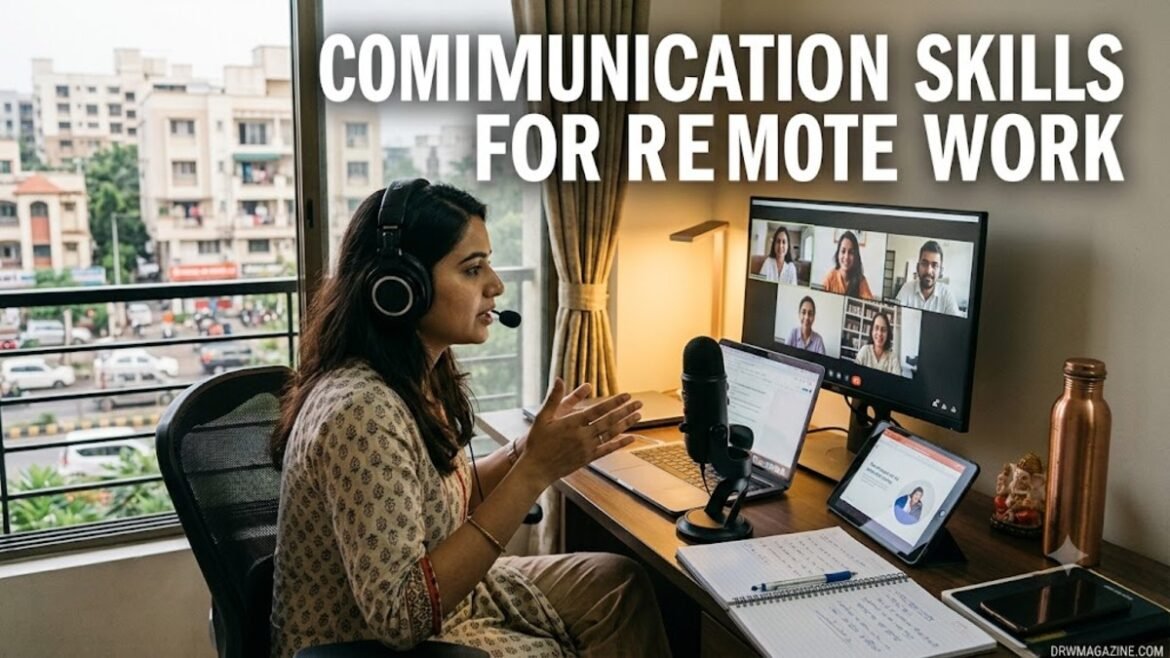
Nowadays, many professionals are searching for communication skills for remote work because online jobs, freelancing, and remote companies are growing rapidly across India. Whether someone works from home as a freelancer, virtual assistant, content creator, or corporate employee, strong communication has become one of the most important career skills in the digital world.
The reason searches for communication skills for remote work are increasing rapidly is because remote jobs depend heavily on online collaboration, virtual meetings, and written communication. Unlike office environments, remote workers cannot solve every problem face-to-face, so communication directly affects productivity, teamwork, and professional growth.
The good thing is that communication skills can improve gradually with daily practice and the right habits.
Why Communication Skills for Remote Work Are Important
Understanding the importance of communication skills for remote work helps professionals build better relationships, improve productivity, and grow faster in online careers.
Strong communication skills help remote workers:
- Explain ideas clearly
- Avoid misunderstandings
- Build trust with clients
- Improve teamwork
- Handle online meetings professionally
These communication skills for remote work are becoming even more valuable because companies now hire remote employees globally.
Professionals who communicate confidently often receive better opportunities and long-term career growth.
Clear Written Communication Matters
Most remote work depends heavily on written communication.
Remote professionals regularly use:
- Emails
- Chat platforms
- Project management tools
- Reports
- Client messages
Clear writing helps reduce confusion and improves workflow efficiency.
Simple and professional language usually works better than overly complicated communication.
Many remote work problems happen because instructions are unclear or incomplete.
Strong written communication saves time for both teams and clients.
Active Listening Improves Teamwork
Good communication is not only about speaking or writing.
Active listening is equally important in remote work environments.
Professionals should focus on:
- Understanding instructions carefully
- Listening during meetings
- Asking relevant questions
- Avoiding interruptions
Active listening improves collaboration and reduces mistakes.
Remote teams perform better when everyone understands tasks clearly.
Paying attention during virtual meetings also shows professionalism and respect.
Confidence in Virtual Meetings
Online meetings have become a normal part of modern work culture.
Remote workers often use platforms such as:
- Zoom
- Google Meet
- Microsoft Teams
Confidence during meetings helps professionals appear more skilled and reliable.
Important habits include:
- Speaking clearly
- Maintaining eye contact through the camera
- Staying prepared
- Avoiding distractions
Confident communication often improves leadership opportunities in remote environments.
Good meeting behavior also creates stronger professional impressions.
Time Management and Communication
Time management directly affects remote communication quality.
Late responses and missed deadlines can damage professional trust quickly.
Successful remote workers usually:
- Reply on time
- Update team progress regularly
- Inform clients about delays early
- Organize daily schedules properly
Consistent communication improves reliability and professionalism.
Remote work depends heavily on trust because managers cannot monitor employees physically.
Good communication habits improve long-term work relationships.
Emotional Intelligence in Remote Work
Emotional intelligence plays a major role in online teamwork.
Remote workers should understand:
- Tone of communication
- Team emotions
- Professional boundaries
- Conflict management
Text messages can sometimes sound rude or confusing unintentionally.
Professional communication should remain respectful and calm even during stressful situations.
Emotional awareness improves collaboration and workplace relationships.
Strong emotional intelligence often supports career growth.
Importance of Professional Email Writing
Emails remain one of the most important business communication tools.
Professional emails should include:
- Clear subject lines
- Simple language
- Proper greetings
- Short paragraphs
- Polite closing messages
Long and confusing emails often reduce productivity.
Professional email habits improve communication efficiency significantly.
Good email writing creates better client and workplace impressions.
Remote professionals should practice concise communication regularly.
Building Trust Through Communication
Trust is extremely important in remote work environments.
Managers and clients usually trust professionals who:
- Communicate honestly
- Meet deadlines
- Respond professionally
- Provide regular updates
Reliable communication improves long-term work opportunities.
Strong trust often leads to repeat clients, promotions, and better networking opportunities.
Consistency matters more than occasional motivation.
Professional behavior builds credibility gradually.
Avoiding Common Communication Mistakes
Many remote workers struggle because of simple communication mistakes.
Common problems include:
- Ignoring messages
- Delayed responses
- Unclear instructions
- Poor meeting behavior
- Lack of professionalism
Small communication issues can create major workflow problems in remote teams.
Professionals should focus on clarity, politeness, and consistency.
Good communication reduces workplace stress and confusion.
Tools That Improve Remote Communication
Modern tools help remote professionals communicate more effectively.
Popular communication platforms include:
- Slack
- Zoom
- Google Meet
- Microsoft Teams
- Trello
These tools improve collaboration, file sharing, and project coordination.
Learning communication software is becoming increasingly important for digital careers.
Technology now plays a major role in remote work success.
Communication Skills for Freelancers
Freelancers especially need strong communication skills because they deal directly with clients.
Freelancers should learn how to:
- Discuss project requirements clearly
- Negotiate professionally
- Handle revisions calmly
- Set expectations properly
Client communication directly affects freelance income and reputation.
Many freelancers lose opportunities because of weak communication habits.
Professional communication often increases repeat work opportunities.
Future of Remote Work in India
Remote work opportunities are expected to grow rapidly in India during coming years.
Digital businesses, freelancing, AI tools, and global hiring systems are changing traditional work culture.
Professionals with strong communication and digital skills may receive better career opportunities internationally.
Companies increasingly prefer employees who can collaborate effectively online.
Remote communication skills will likely become even more valuable in the future job market.
Conclusion
Improving communication skills for remote work can help professionals build stronger careers, better client relationships, and higher productivity in 2026.
Skills such as clear writing, active listening, emotional intelligence, and professional meeting behavior play a major role in remote work success.
People who communicate consistently and professionally often perform better in digital work environments.
For beginners, strong communication habits can become one of the biggest advantages in remote careers.
FAQs
1. Why are communication skills important in remote work?
They improve teamwork, productivity, and professional relationships.
2. What communication tools are best for remote work?
Slack, Zoom, Google Meet, and Microsoft Teams are widely used.
3. How can remote workers improve communication?
Practice clear writing, active listening, and timely responses.
4. Why is written communication important remotely?
Most remote collaboration happens through online messages and emails.
5. Can communication skills improve freelancing success?
Yes, professional communication often increases client trust and repeat work.