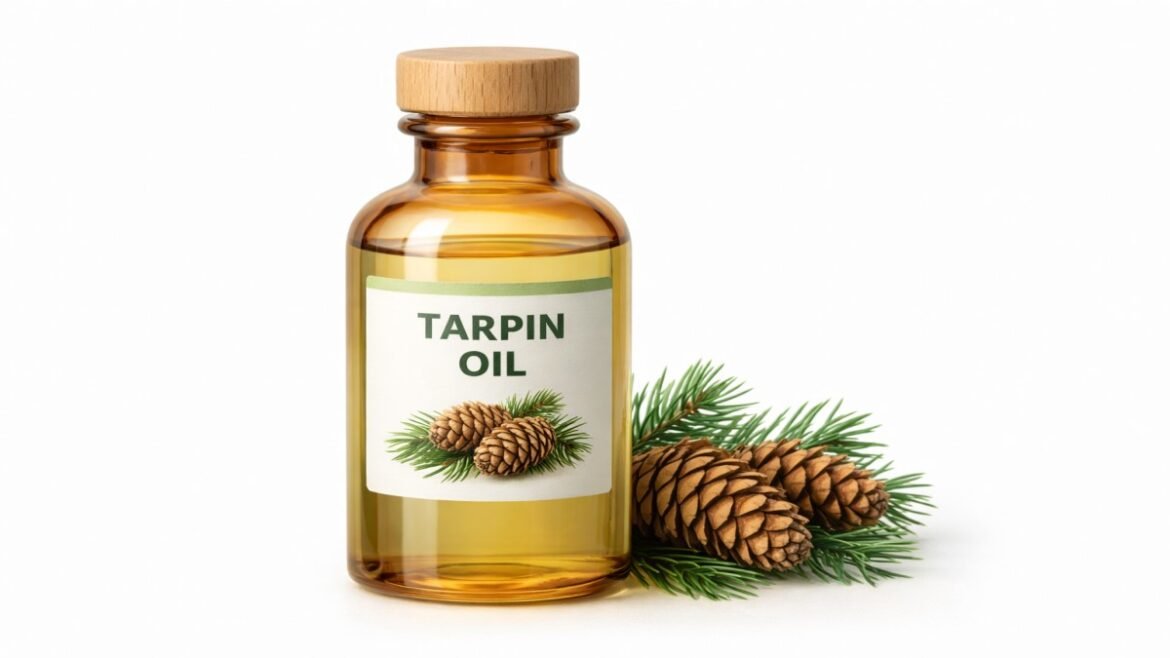
Tarpin oil is one of those old-school remedies that has quietly survived generations. You may have seen it sitting on a shelf in a pharmacy, recommended by elders for cough, cold, or body pain. But what exactly is tarpin oil? And is it really as effective as people claim?
Let’s peel back the layers and talk honestly—no hype, no fear-mongering—just clear, practical information you can actually use.
What Is Tarpin Oil?
Meaning and Definition
Tarpin oil is a volatile oil derived mainly from pine trees. It has a strong, sharp aroma and is commonly used in medicinal, industrial, and household applications. In simple terms, it’s an oil known for its warming, penetrating, and cleansing properties.
Common Names of Tarpin Oil
Tarpin oil is often confused with or referred to as:
- Turpentine oil
- Spirit of turpentine
- Pine oil
While closely related, they are not always exactly the same in purity or use.
How Tarpin Oil Is Made
Natural Sources
Tarpin oil comes from pine trees, especially from their resin. When the tree is tapped, it releases a sticky substance that becomes the base for oil extraction.
Extraction Process
The resin is distilled using steam. This process separates the volatile oil from solid residues, resulting in a clear, strong-smelling liquid.
Difference Between Tarpin Oil and Turpentine
This is where people get confused. Turpentine is a broader term, while tarpin oil often refers to a medicinal-grade preparation. Industrial turpentine is not safe for medical use, while pharmaceutical tarpin oil is processed for controlled applications.
Chemical Composition of Tarpin Oil
Key Active Compounds
Tarpin oil mainly contains:
- Alpha-pinene
- Beta-pinene
- Terpenes
These compounds are responsible for its strong smell, warming effect, and antimicrobial action.
How These Compounds Work
Think of these compounds like tiny scrub brushes. They help clear mucus, reduce inflammation, and fight microbes when used correctly.
Traditional Uses of Tarpin Oil
Historical and Folk Uses
For decades, tarpin oil has been used in home remedies. Grandparents trusted it for chest congestion, aches, and even as a cleaning agent.
Role in Traditional Medicine
In traditional systems, tarpin oil was valued for its ability to “open up” blocked passages—whether in the chest or muscles.
Medicinal Uses of Tarpin Oil
Tarpin Oil for Cough and Cold
One of the most common uses is for cough relief. Tarpin oil works as an expectorant, helping loosen mucus so it’s easier to expel.
Respiratory Benefits
Its strong vapors help clear nasal passages and make breathing easier during colds or flu.
Use in Chest Congestion
When applied externally (often mixed with other ingredients), it creates warmth that helps ease chest tightness.
Tarpin Oil for Pain Relief
Joint Pain and Arthritis
Tarpin oil stimulates blood flow when applied to the skin. This warming effect can temporarily reduce joint stiffness and pain.
Muscle Pain and Sprains
After a long day or intense physical activity, tarpin oil massage can feel like hitting the reset button for sore muscles.
Tarpin Oil for Skin and External Use
Antiseptic Properties
Tarpin oil has mild antiseptic qualities, making it useful for cleaning minor cuts or preventing infection—when diluted properly.
Use in Minor Wounds
Historically, it was used in very small amounts on superficial wounds. Today, safer alternatives exist, but the property is still notable.
Skin Irritation Precautions
Undiluted tarpin oil can irritate the skin. Always dilute and do a patch test first.
Industrial and Household Uses of Tarpin Oil
Cleaning and Solvent Uses
Tarpin oil is excellent at dissolving grease, paint, and sticky residues. That’s why it’s used in cleaning tools and surfaces.
Use in Paints and Polishes
It acts as a thinning agent for oil-based paints and varnishes, improving spread and finish.
Conclusion
Tarpin oil is a powerful, old-fashioned remedy with real benefits—and real risks. Used correctly, it can help with congestion, muscle pain, and cleaning tasks. Used carelessly, it can cause irritation or harm. Think of tarpin oil like fire: incredibly useful, but only when handled with respect.
If you value natural remedies but believe in safety first, tarpin oil deserves informed, cautious use—not blind trust.
FAQs
1. Is tarpin oil safe for cough?
Yes, when used externally or as prescribed, it can help relieve cough and congestion.
2. Can tarpin oil be applied directly to skin?
No. It should always be diluted to avoid irritation.
3. Is tarpin oil the same as turpentine?
They are related but not identical. Medicinal tarpin oil is more refined.
4. Can tarpin oil be inhaled?
Mild inhalation may help congestion, but excessive fumes can irritate lungs.
5. Is tarpin oil still used today?
Yes, but more cautiously, and often replaced by gentler alternatives.